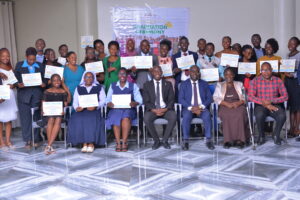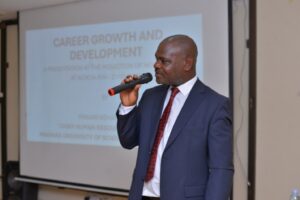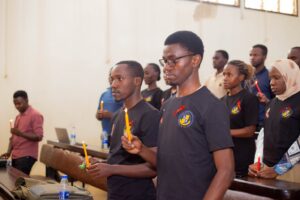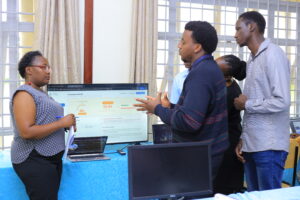
Mbarara University of Science and Technology marked another historic milestone in its journey toward total educational and social inclusivity, celebrating the graduation of its fourth Sign Language cohort. Organized through the Office of the Dean of Students, the graduation highlighted the explosive growth, profound professional impact, and life-changing human connections fostered by the university’s sign language program.
A journey of rapid impact and growth
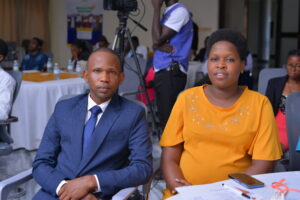
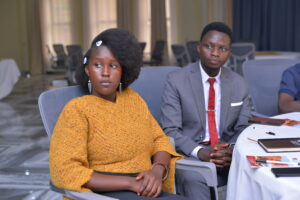
What began as a localized effort following the adoption of the University’s Special Needs and Disability Policy has rapidly expanded into a highly sought-after program. Former Minister for Disability Inclusion, Bernard Owori, shared a powerful retrospective on how quickly the program has evolved:
- Cohort 1: 50 applicants ,43 graduates
- Cohort 2: 80 applicants ,53 graduates
- Cohort 3: 280+ applicants ,57 graduates
- Cohort 4 (Current): 500+ applicants,73 graduates
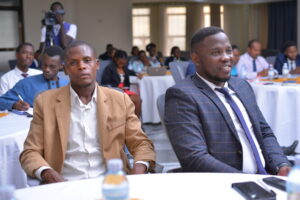
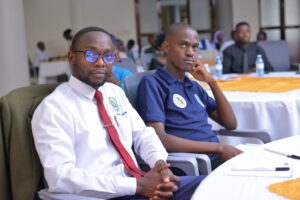
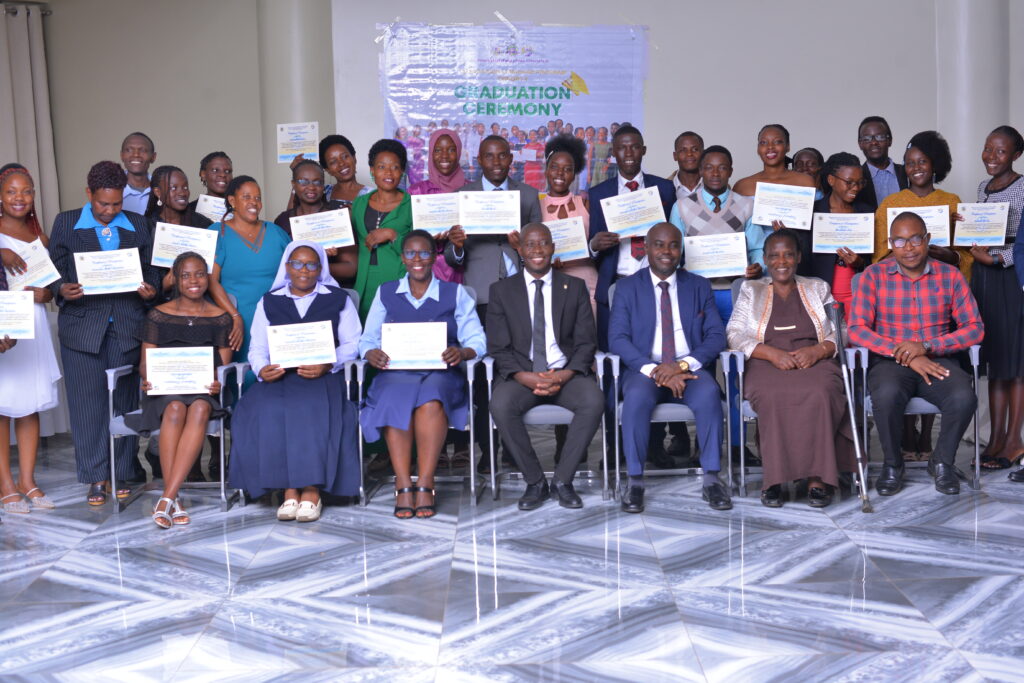
With only 100 students admitted out of over 500 applications this year, the ceremony was a true celebration of the perseverance and dedication of the 73 graduating participants. The program has historically welcomed a diverse mix of MUST students, university staff, and members from the surrounding local communities.
Driving Professional Excellence and Confidentiality in Healthcare
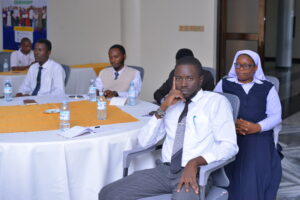
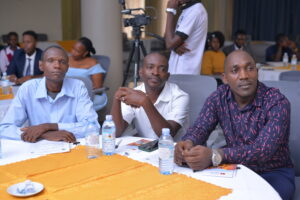
For medical students at MUST, acquiring sign language skills is proving to be a revolutionary asset for patient care.Joseph Sevalu, a medical student who persevered to attend classes even after initially missing out on the official admission list, spoke passionately about how the course elevates healthcare ethics: “Effective communication is essential in delivering quality and compassionate care. Since I know sign language, I don’t need a third party to come and discuss private issues with a patient. It will be between me and that person, preserving total medical confidentiality.” Other healthcare professionals echoed this sentiment, noting the critical need for sign language proficiency during highly vulnerable moments, such as helping deaf mothers navigate labor and delivery safely and comfortably.
Breaking Barriers: Real-World Success Stories
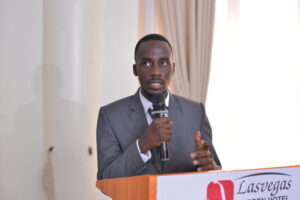
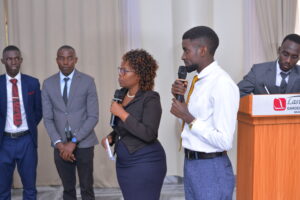
The impact of the program extends far beyond the classroom, opening doors to unique employment and community service opportunities:
-
An assistant lecturer from the Faculty of Business shared how applying for the first cohort out of pure curiosity led to an unexpected career path. Thanks to the rigorous training, they were appointed as a professional Sign Language Interpreter for Tayari West TV, broadcasting live during the 8:00 PM news, alongside interpreting at local churches and university council meetings.
-
The “Hands That Speak” Movement: Trevor, a graduate of the third cohort, utilized his skills to establish the Hands That Speak club at MUST. Backed by a seed grant from the Aspire Leaders Programme, the club provides a continuous practice space for graduates to keep their skills sharp while integrating deeply with the deaf community.
Institutional Backing: Moving Toward a Universal Curriculum
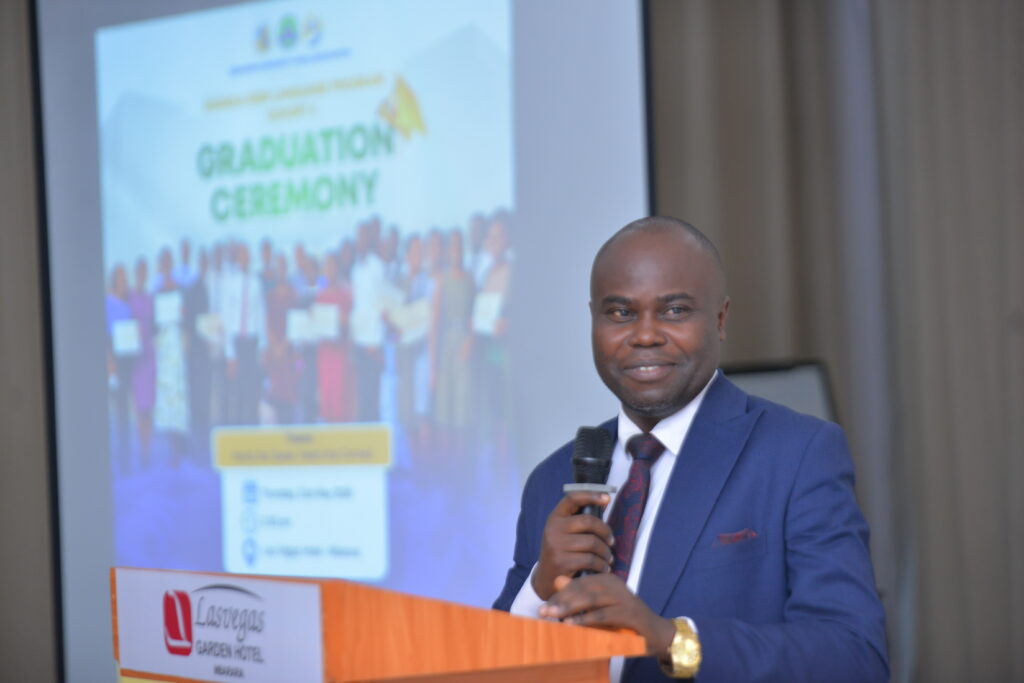 The University leadership firmly reiterated its intent to institutionalize these inclusive skills. Speaking on behalf of the Vice-Chancellor, Prof. Joseph Ngonzi,the Deputy Vice-Chancellor ,Academic Affairs commended the organizers and shared plans to explore ways to weave sign language basics directly into the broader university curriculum during upcoming revisions.“Sign Language is not merely a tool of communication; it is a language of identity, culture, and deep connection. As a university committed to science, technology, and transformative education, MUST recognizes the ultimate importance of inclusive education in national development. We don’t want to leave anyone behind.”
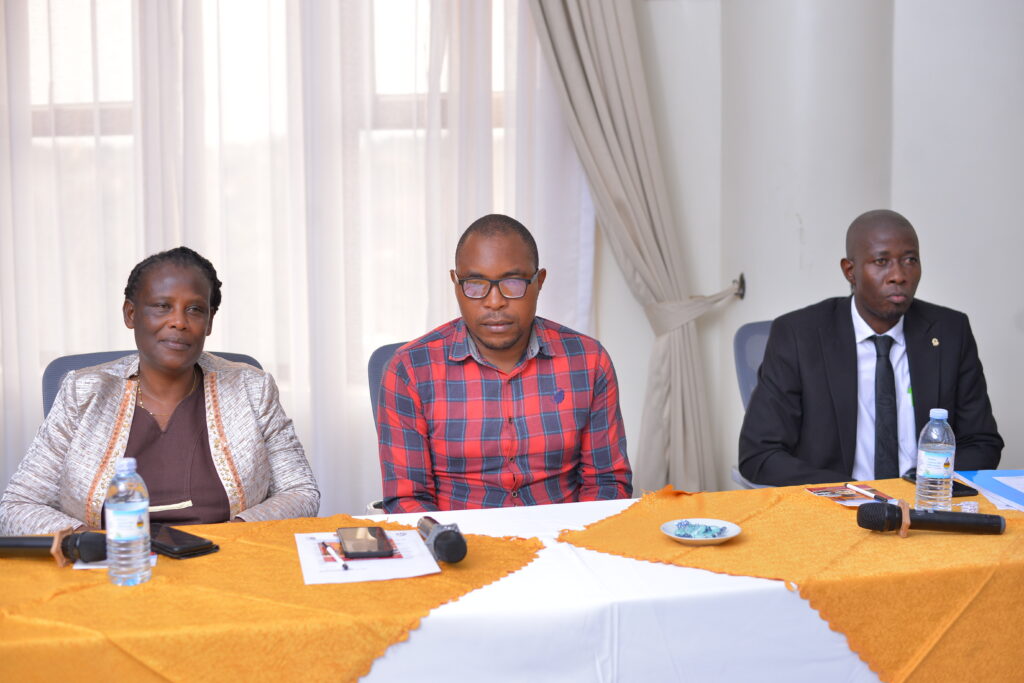 The administration extended its heartfelt gratitude to the dedicated instructional team including Mr. Brian Sande, Mr. Julius, Madam Stella Dusabe, Mr. Nabon, and Madam Shallot for their endless patience and passion in molding the students.
As the ceremony concluded with the presentation of certificates, the overriding message to the graduates was clear: do not sit on your skills . Whether breaking barriers in corporate spaces, interpreting in courts, improving public health communication, or driving grassroots advocacy, the 4th cohort is officially tasked with heading into Uganda and beyond to give a voice to the unheard and build a more empathetic world.
For more information on upcoming sign language cohorts and disability inclusion initiatives, keep an eye on the MUST student portal or visit the Office of the Dean of Students.