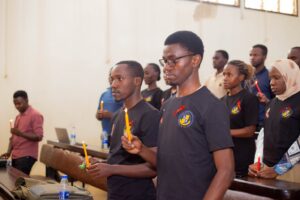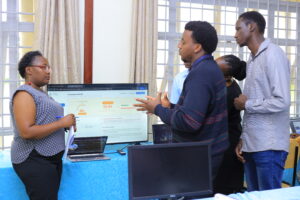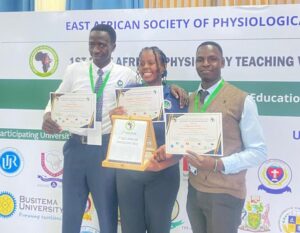
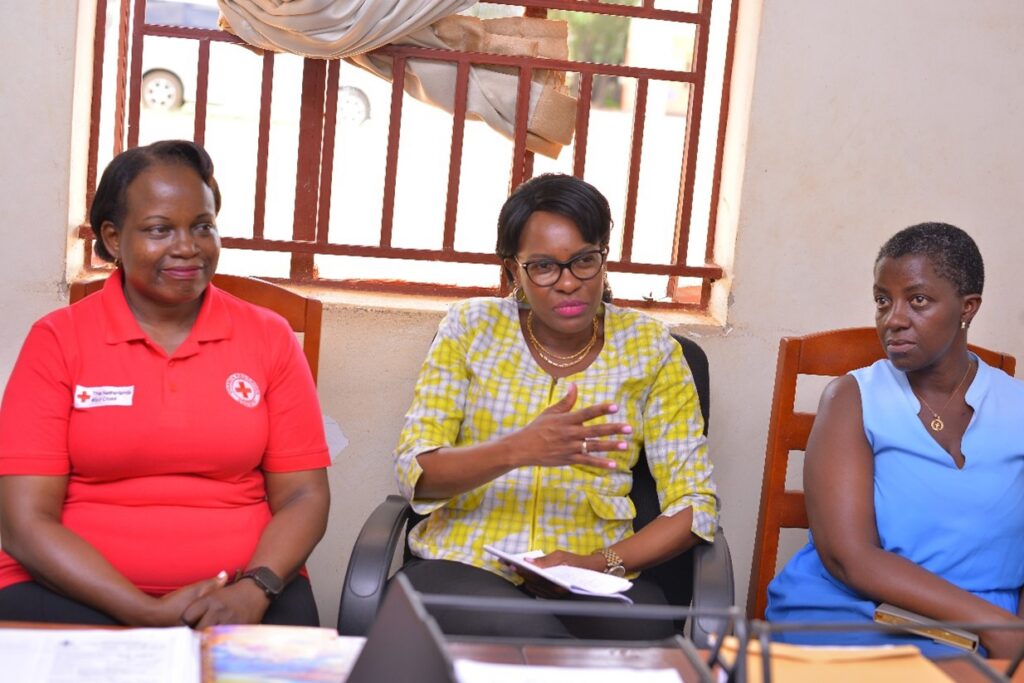
The Vice Chancellor of Mbarara University of Science and Technology (MUST), Prof. Pauline Byakiika-Kibwika, conducted an official visit to Nakivale Refugee Settlement and subsequently engaged key stakeholders at the Isingiro District Headquarters. The visit focused on the implementation and progress of the CONNECT Project, a collaborative initiative designed to strengthen caregiver-adolescent communication regarding sexual and reproductive health (SRH) within refugee and host communities.
The engagement brought together a diverse group of stakeholders, including district leadership, humanitarian actors, researchers, and community representatives. Key participants included Ms. Gonza Justine (Settlement Commandant), Mr. James Mugume (Deputy Settlement Commandant), Mr. Stuart Kukundakwe (Focal Person, Restoring Family Links), Ms. Christine Ayebazibwe (Branch Manager, Uganda Red Cross – Mbarara and Isingiro), and Mr. Francis Amulen (Community Engagement and Accountability Officer).
Also in attendance were Dr. Harriet Kagoya (Director of Operations, Uganda Red Cross and Co-Principal Investigator of CONNECT), Mr. Ian Tuhumwire (Donor Relations and Strategic Partnerships, Uganda Red Cross).
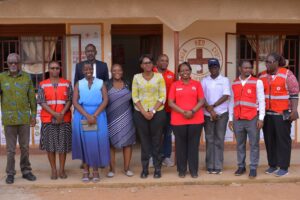 The CONNECT Project: Bridging the Communication Gap
The CONNECT Project—Caregiver-Adolescent Sexual and Reproductive Health Communication among Refugee and Host Communities—is a three-year initiative implemented by MUST in partnership with the Uganda Red Cross Society, the University of Windsor, and the Ministry of Health. Operating in Southwestern Uganda (Isingiro and Nakivale) and Northern Uganda (Yumbe and Bidi Bidi Refugee Settlement), the project addresses a critical gap: the limited dialogue between caregivers and young people on sensitive health matters. Using a community-based participatory approach, the project co-creates culturally appropriate solutions to strengthen family bonds and support informed decision-making among adolescents.
Field Visit and Technical Briefing
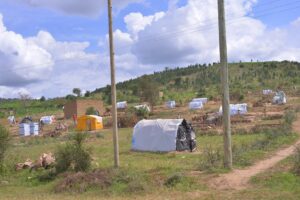
At Nakivale Refugee Settlement, the Vice Chancellor was received by Dr. Viola Nyakato (Principal Investigator), Dr. Dorcus Achen (Co-PI), and other MUST staff. Ms. Gonza Justine provided a comprehensive briefing on the settlement’s history and operations under the Office of the Prime Minister (OPM).
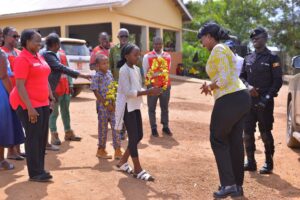
The settlement hosts refugees from the Democratic Republic of the Congo, Rwanda, and Burundi, with the largest population arriving from the DRC. Ms. Justine noted the unique social structure of the community, which maintains leadership ranks ranging from local representatives to a community leader and the head being the president often referred to as le president.
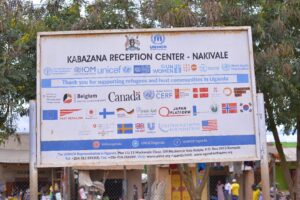
The Vice Chancellor then visited the Kabazaana Reception Center, the primary processing hub for all new arrivals. Managed by the OPM and UNHCR, the center facilitates:
- Official Processing: Biometric registration and protection screenings to identify vulnerable individuals (PSNs).
- Life-Sustaining Aid: Provision of “starting kits” (blankets, jerrycans, kitchen sets) and initial food rations from the World Food Programme (WFP).
- Infrastructure & Health: Mandatory health screenings and access to one of the settlement’s primary water treatment plants.
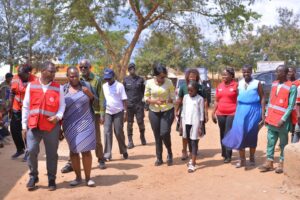
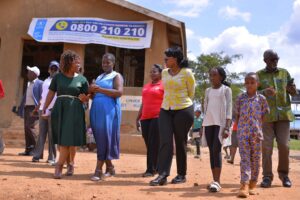
Addressing Emerging Challenges
Stakeholders highlighted vital interventions, including family tracing and reunification efforts led by Mr. Stuart Kukundakwe, with a focus on unaccompanied minors. During discussions, Mr. James Mugume commended MUST for its sustained presence but raised concerns regarding a “moral crisis” among adolescents. He noted that many young people no longer perceive HIV/AIDS as a significant threat, calling for intensified, targeted behavioral interventions.
Prof. Byakika-Kibwika commended the Office of the Prime Minister (OPM), the Uganda Red Cross, and various partners for their vital support of refugees and host communities.
“I am eager to learn from your operations today,” she noted. “With a deep personal interest in humanitarian work, I am truly glad to be here.”
Drawing on her background as an infectious diseases specialist, she expressed particular concern regarding HIV trends:
“I have spent my career treating patients living with HIV, so I understand the stakes intimately. It is concerning to hear that the perceived threat of the virus is fading, leading to a lapse in preventative behavior.”
She emphasized that while medical advancements have changed the landscape, they aren’t a total solution: “While modern treatment allows for a normal life, the daily pill burden is significant, and the risk of drug resistance remains a serious threat. Prevention must stay at the forefront.”
Reaffirming the university’s commitment to the settlement, she concluded: “I am grateful for the warm welcome. I look forward to building a robust collaboration with the Red Cross and other partners, ensuring that our academic mission translates into meaningful humanitarian impact.”
A Future of Hope: Grounded in Excellence: In her concluding remarks, Prof. Pauline Byakiika-Kibwika reaffirmed that MUST’s presence in Nakivale is not merely academic, but a fulfillment of the university’s core mission: “To provide qualitative and relevant education with particular emphasis on science and technology, and its application to community development.”
Our commitment to the CONNECT Project is a commitment to the dignity of every family in Nakivale,” the Vice Chancellor stated. “By empowering caregivers and protecting the health of adolescents, we are not just conducting research, we are building a foundation of resilience. To our brothers and sisters in the refugee community: you are not defined by your displacement, but by your potential. MUST stands with you as a partner in transformation, ensuring that through science, partnership, and empathy, we create a future where every young person, regardless of their origin, has the knowledge and support to thrive.