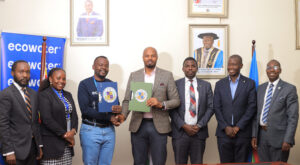
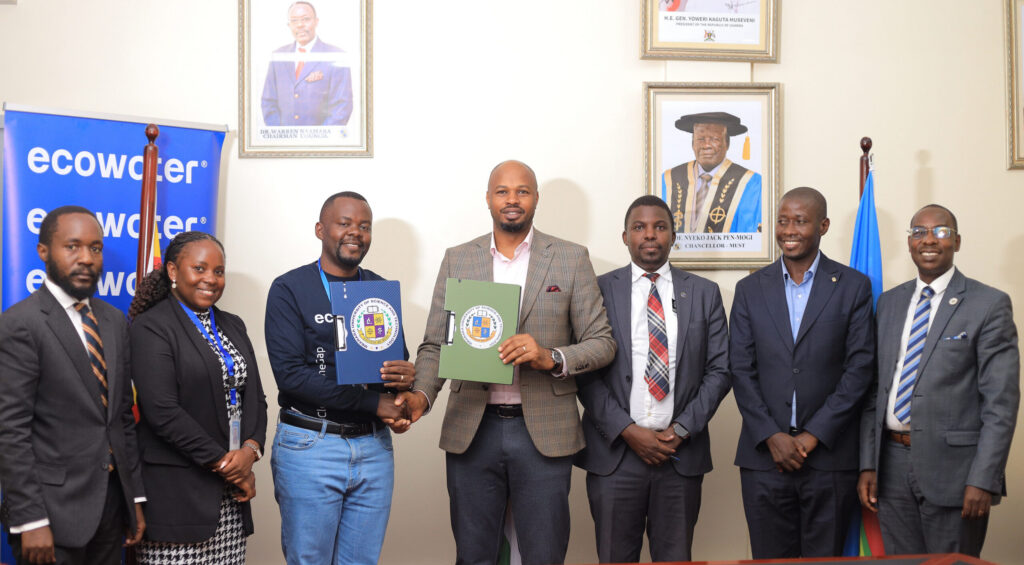
Mbarara University of Science and Technology, through its strategic business arm MUST Holdings Company, has officially signed a landmark Memorandum of Understanding (MOU) with Eco Water (Refill Eco Water Unit). Signed on May 25, 2026, this green partnership is set to establish safe, highly affordable drinking water access points across the university campus while aggressively championing environmental sustainability and cutting down the reliance on single-use plastics. The collaboration represents a major milestone in enhancing student welfare, fostering practical innovation, and creating local employment opportunities for recent graduates.
For a long time, the cost of commercial bottled water has been a significant financial burden on the student body, with a standard bottle routinely costing around 1,000 shillings. This new partnership completely disrupts the campus market by leveraging an innovative, low-cost delivery model driven by two underlying principles: affordability and safety. Through automated, NFC-enabled smart water stations positioned at 18 planned access points across the premises, students and staff will be able to purchase high-quality treated water for as low as 150 shillings for half a liter, or 300 shillings per full liter. To maximize modern convenience, users can tap their cards directly on the machine and load funds remotely from the comfort of their beds. The payment system is already live on the Airtel mobile money menu alongside major utilities like National Water, with an MTN menu rollout scheduled for next semester.
Beyond addressing student welfare, the initiative directly reinforces the university’s institutional commitment to environmental conservation. The core operating model of Eco Water perfectly aligns with the globally recognized 3 Rs of environmental sustainability: reduce, reuse, and recycle. Rather than attacking established bottling companies, the project introduces a cooperative ecosystem that encourages students and staff to bring their own containers, thereby actively reducing the accumulation of disposable plastic waste on campus. While the machines are securely stationed on university grounds, the self-help system is also designed to be inclusive of neighboring homesteads outside the immediate campus, allowing the local community to access 20-liter refills and generating mutual commercial revenue for both MUST and Eco Water.
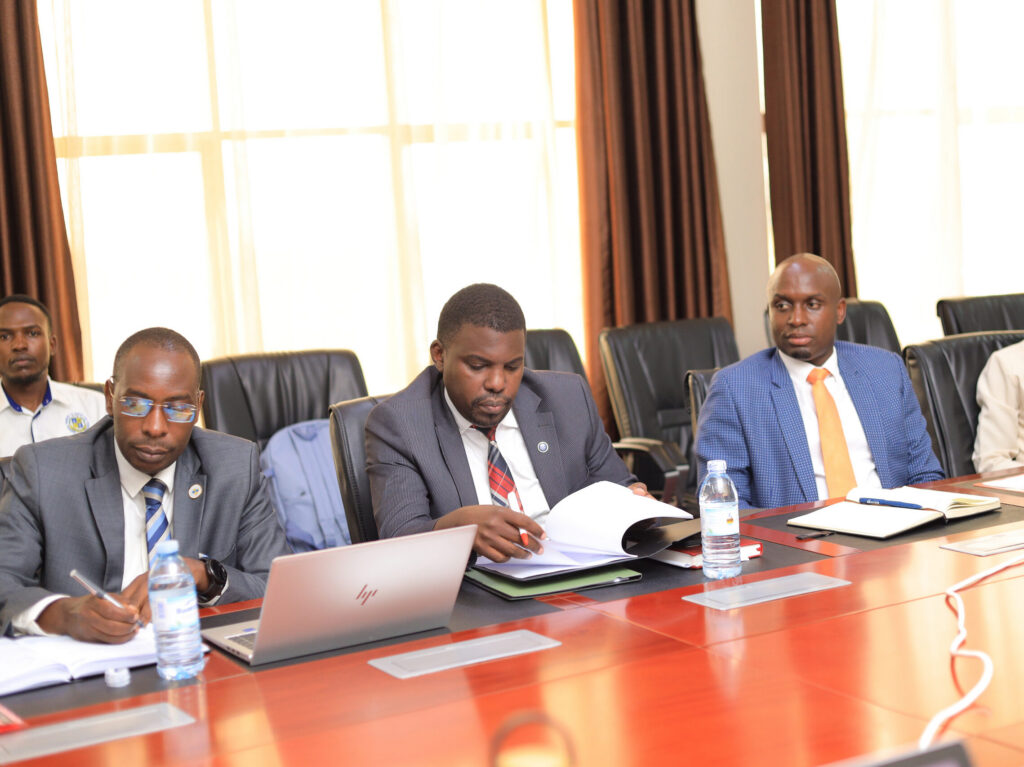
The origin of Eco Water itself serves as a profound inspiration for the MUST student community, having started just eight years ago in Tanzania as a student-led studio innovation before successfully expanding operations across Malawi, Kenya, and Uganda. Recognizing this shared innovative spirit, the MOU outlines a long-term partnership that extends far beyond dispensing hardware into corporate social responsibility and academic integration. Eco Water has committed to providing structured graduate training programs, hiring a dedicated sales agent for each installed machine directly from a pool of recent MUST graduates living near the community. Furthermore, the company will open specialized internship and practical training slots for students within the Faculty of Applied Sciences and Technology—notably those in petroleum engineering and environmental management as well as the newly established Faculty of Agriculture, Environment, and Sustainable Sciences. A built-in loyalty mechanism will also financially channel resources back into student welfare and campus sustainability research.
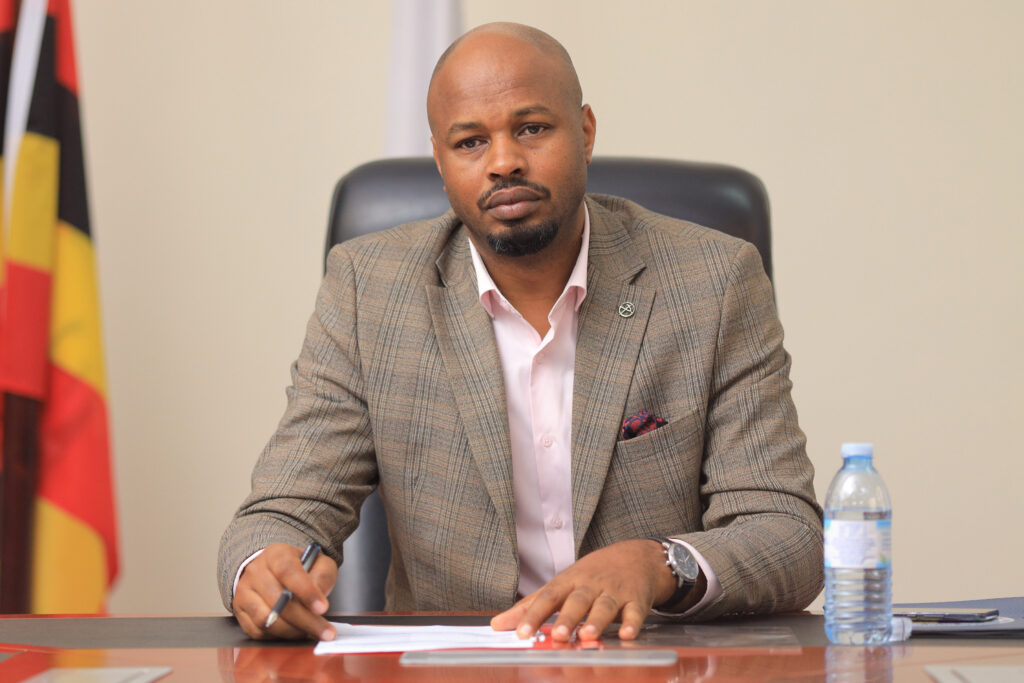
University officials acknowledged during the ceremony that navigating the necessary regulatory frameworks required careful “back-and-forth” legal and financial reviews. Because MUST is a government institution, strict compliance with state regulations was paramount to ensure absolute accountability to university stakeholders and shareholders, leading to final adjustments regarding transaction percentages up until the afternoon of the signing. With the administrative and legal details finalized, the technical units from both organizations are now moving forward with the site master plan to begin immediate installation.
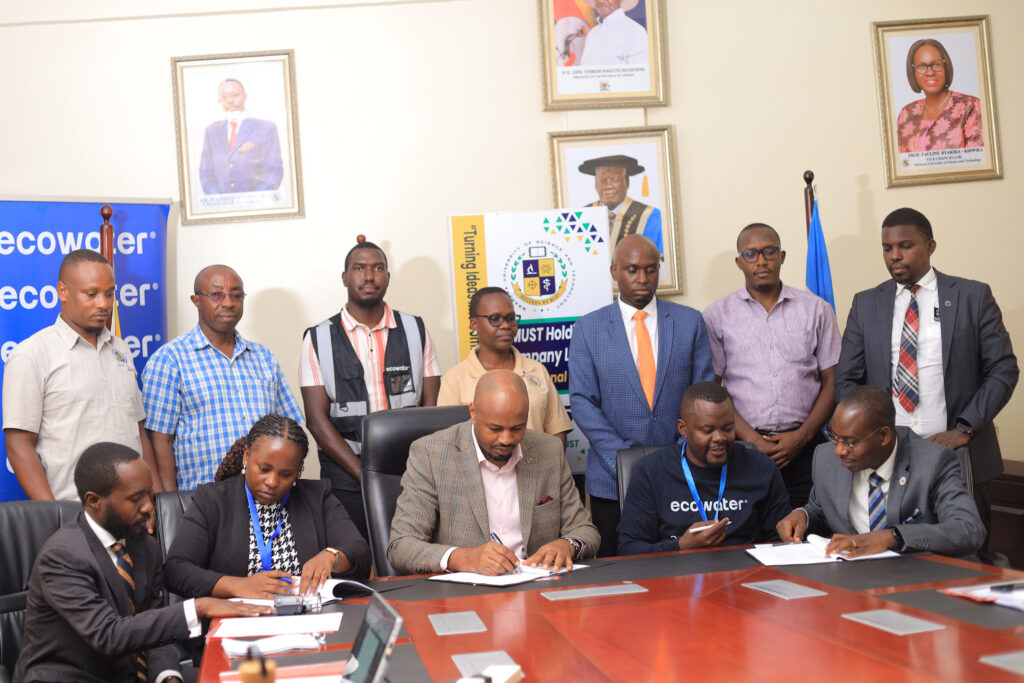 The high-profile signing ceremony was well-attended by key administrative and technical stakeholders from both institutions. The university delegation included University Secretary Mr. Vincent Kwatampora, MUST Holdings Managing Director Dr. Medard Twinamatsiko, Acting Dean of the Faculty of Applied Sciences and Technology Boosa Denis, Principal Legal Officer Mugumya Timothy N., and MUST Holdings Manager Nabachwa Sarah. They were joined by technical team members Annah Amwikirize, Mukama Martin from the Center for Innovation and Technology Transfer (CITT), and Kakuru Charles and Kiwanuka Francis from the MUST Estates and Works Department. Representing Eco Water were Kauta Daniel, Bakisi Jasper Mutalimwa, and Business Manager Brenda Ahurira, whose persistent coordination was heavily praised for bringing the landmark sustainability project to fruition.