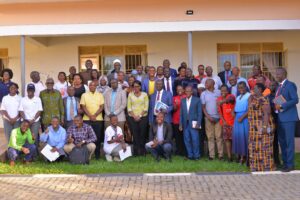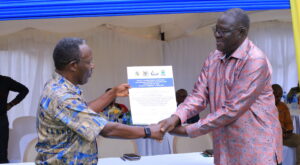
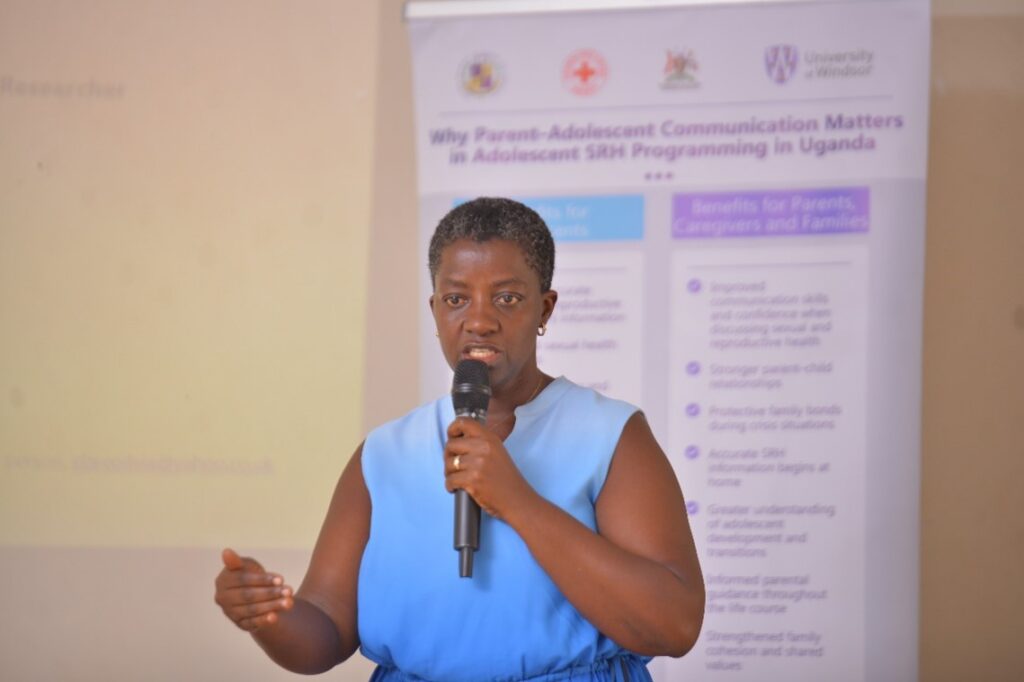
Following a successful field visit to the Nakivale Refugee Settlement, the Vice Chancellor of Mbarara University of Science and Technology (MUST), Prof. Pauline Byakiika-Kibwika, proceeded to the Isingiro District Headquarters for a high-level dissemination workshop.
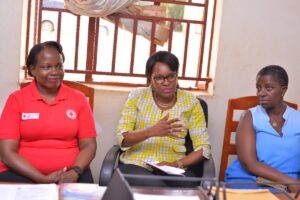
The event served as a platform for the CONNECT Project’s Principal Investigator (PI), Dr. Violah Nyakato, to present critical research findings to a diverse group of stakeholders, including local government officials, religious leaders, civil society actors, and community representatives.

A unique context: The host-refugee nexus
The meeting was opened by Mr. Leonard Ahimbisibwe, the RDC who welcomed the MUST team and highlighted Isingiro’s unique position as a major refugee-hosting district.
“We are a district where refugees and host communities share the same schools, health facilities, water sources, and social spaces,” Mr. Ahimbisibwe noted. “However, this integration brings challenges pressure on services, mental health issues, teenage pregnancies, and domestic violence.”
He underscored the relevance of the CONNECT Project, noting that the “silence” between parents and children regarding sexuality is a primary driver of these social challenges.
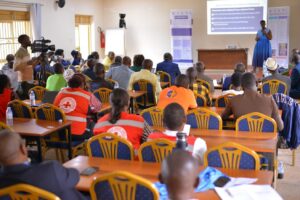
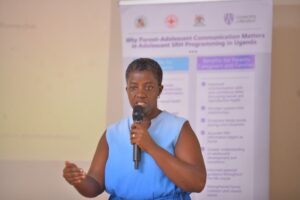
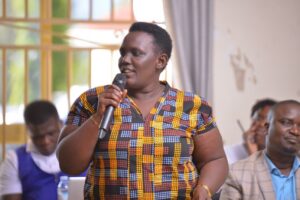 The research journey: Why the family matters: Dr. Violah Nyakato provided a compelling narrative of the research that birthed the CONNECT intervention. She traced the project’s origins back to studies from 2014–2015, which revealed that adolescents aged 10–14 predominantly receive sexual and reproductive health (SRH) information from peers and media sources that are often inaccurate. Conversely, children who received parental guidance were significantly less likely to engage in risky behaviors.
“We realized that while many interventions focus on schools and peers, the family the most consistent and influential environment is often left out,” Dr. Nyakato explained.
The “Healthy Parent Lead” Guide: A key highlight of the presentation was the introduction of the “Healthy Parent Lead” guide. Developed through extensive community engagement, this innovative tool uses a life-course approach to equip parents with age-appropriate communication strategies.
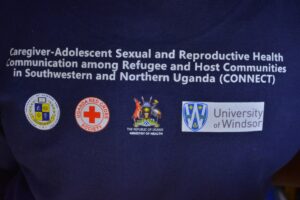
Dr. Nyakato emphasized that parenting is a continuous process:
- Early Childhood Foundations: Building trust and emotional safety from birth.
- Adolescent Transition: Moving from foundational trust to open dialogue about SRH.
- Community Ownership: The guide was co-created with religious leaders, teachers, and health workers to ensure it is culturally relevant and sustainable.
Voices from the Community
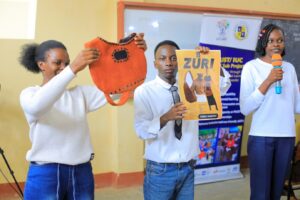
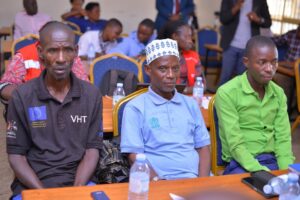
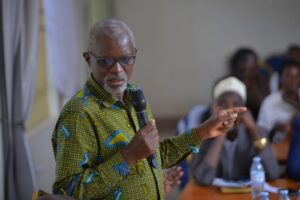
While participants welcomed the approach as timely and practical, they also addressed the reality of cultural barriers. A youth participant poignantly noted, “Many parents do not speak openly… we must find ways to reach even the shy parents.” Stakeholders called for wider grassroots dissemination of these materials to bridge this gap.
The Vice Chancellor’s Keynote: Research with a Human Face
In a powerful address, Prof. Byakiika-Kibwika reflected on the university’s role in driving societal transformation. Drawing on her background as a medical professional, she challenged the notion of “knowledge for knowledge’s sake.”
“As a university, we do not see knowledge as something confined to lecture rooms or laboratories. We see it as a tool that must move into communities and transform lives,” she stated.
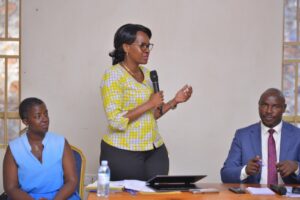
She issued a stern caution regarding the declining perception of HIV/AIDS risk among young people:
“As an epidemiologist who dealt with HIV/AIDS during the era when it was known as ‘Slim,’ I have witnessed the transformation of the disease’s burden. I deeply appreciate the fact that we have not yet discovered a cure. Therefore, when I hear that adolescents are no longer afraid of HIV, it worries me profoundly. Prevention must remain our priority, and it begins at home with informed, open conversations.”
A Call to Scale: Building Resilient Families
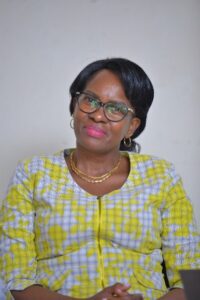
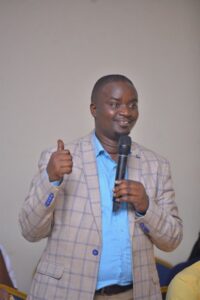
The workshop concluded with remarks from Mr. Turahi Aaron, who reflected on the weakening of traditional family structures and pledged the district’s continued support for the project.
The visit successfully demonstrated that the CONNECT model is more than a research project; it is a scalable solution for national challenges. For MUST, the engagement reaffirmed its commitment to community-centered innovation ensuring that academic excellence translates into healthier, more resilient Ugandan families.