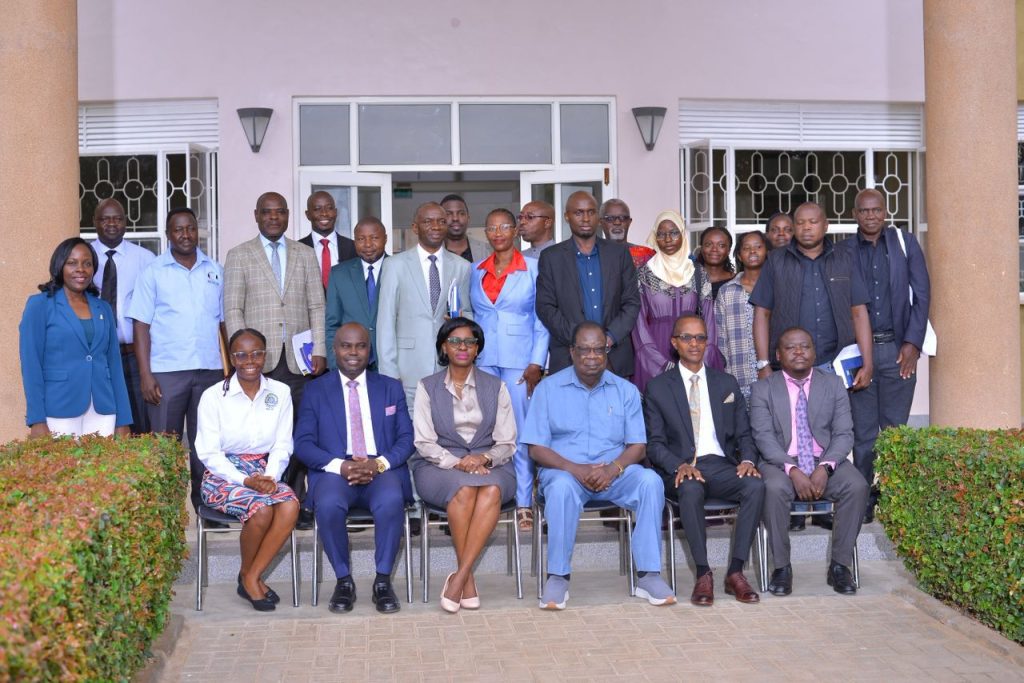
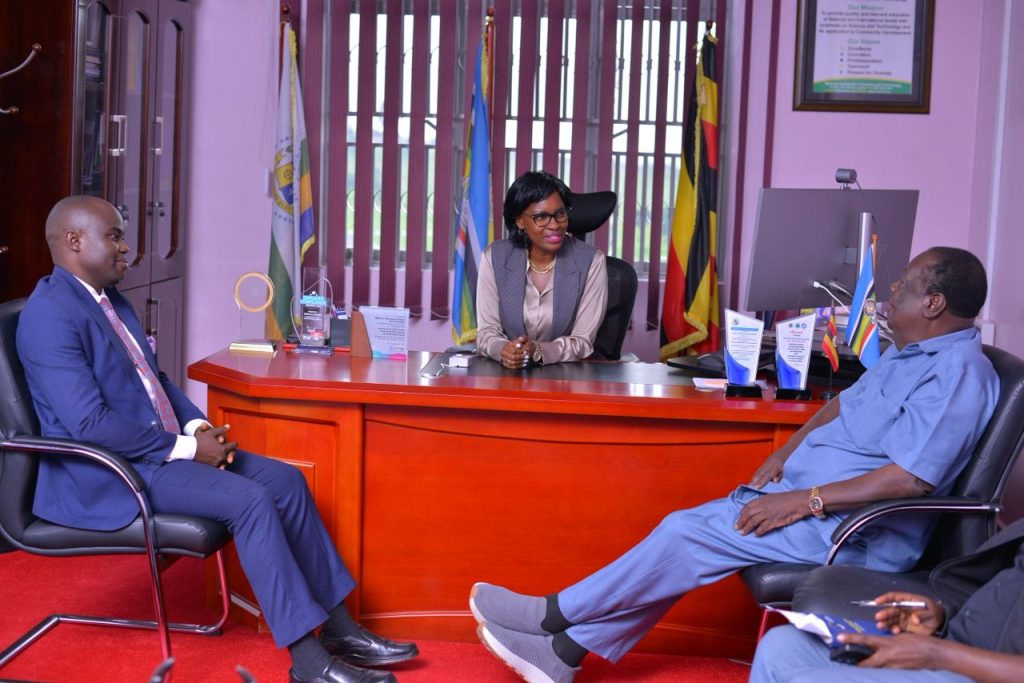
In a move to position its students and staff at the forefront of regional development, Mbarara University of Science and Technology (MUST) hosted a high-level delegation from the Ministry of East African Community Affairs on March 18, 2026.
The event, themed ” EAC at 25 Years: Achievements, Challenges, and the Journey Ahead” served as a strategic platform to discuss the role of higher education in the ” Prosperous, Competitive, and Politically United East Africa” agenda.
Bridging the Regional Gap
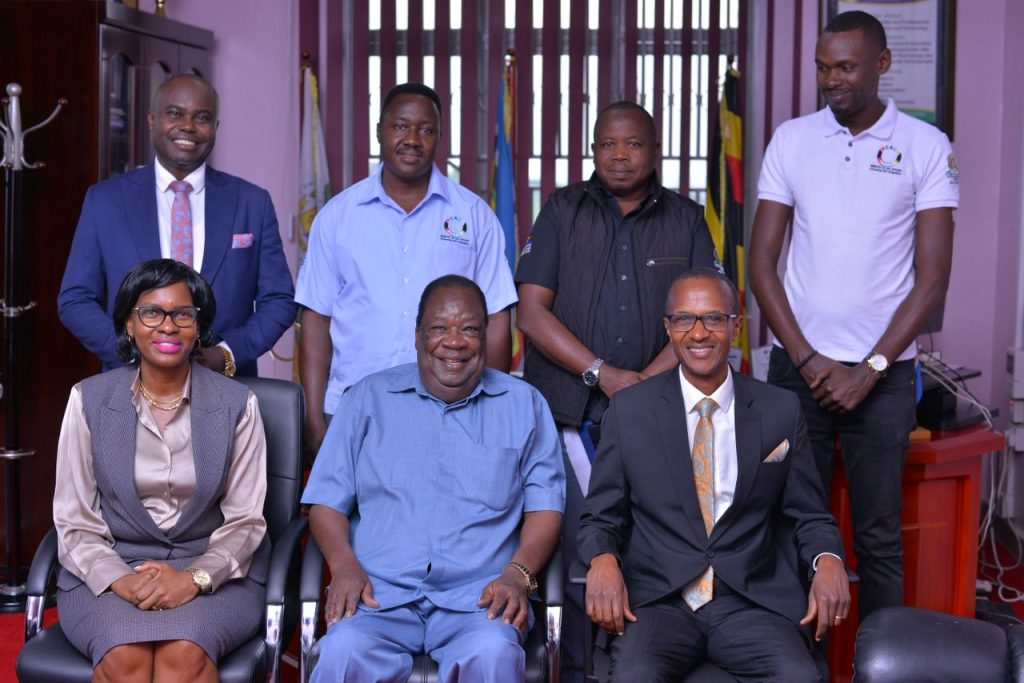
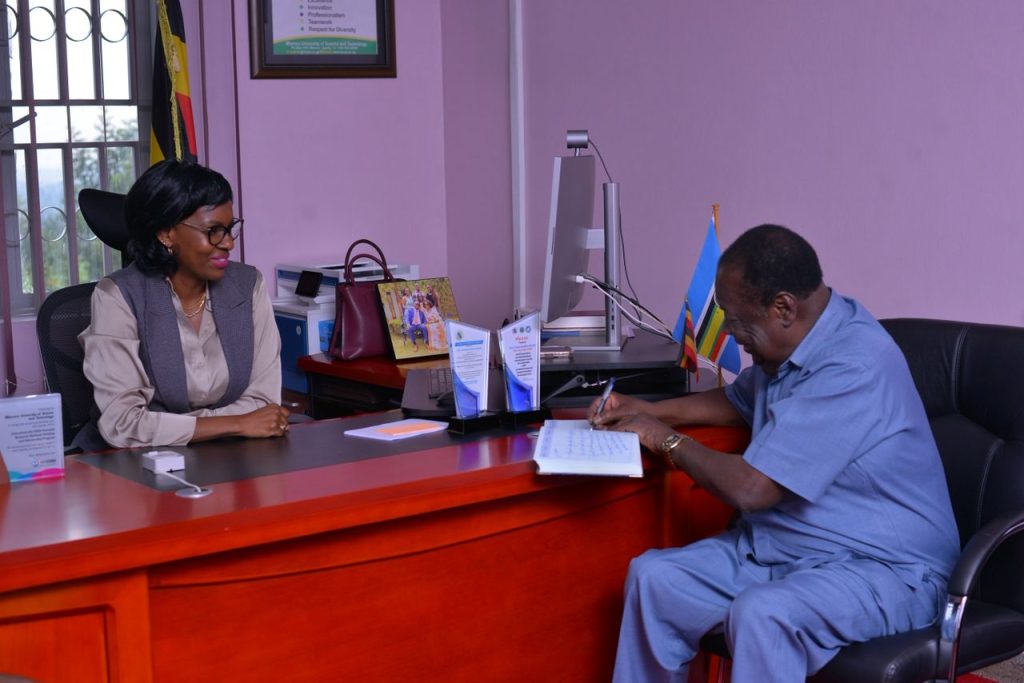
The day commenced with a courtesy call at the Vice Chancellor’s Office. Prof. Pauline Byakika-Kibwika, the Vice Chancellor, met with the Minister of State for East African Affairs, Hon. Ikeuya Magodi, and his technical team. During this meeting, Prof. Pauline emphasized MUST’s commitment to science and technology but noted a glaring gap: while the university has robust international research ties with Europe and North America, intra-EAC collaborations must become more prominent. She thanked the Minister for choosing to visit MUST despite his busy schedule and requested that such engagements occur more frequently to encourage deeper regional cooperation.

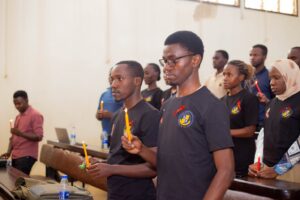
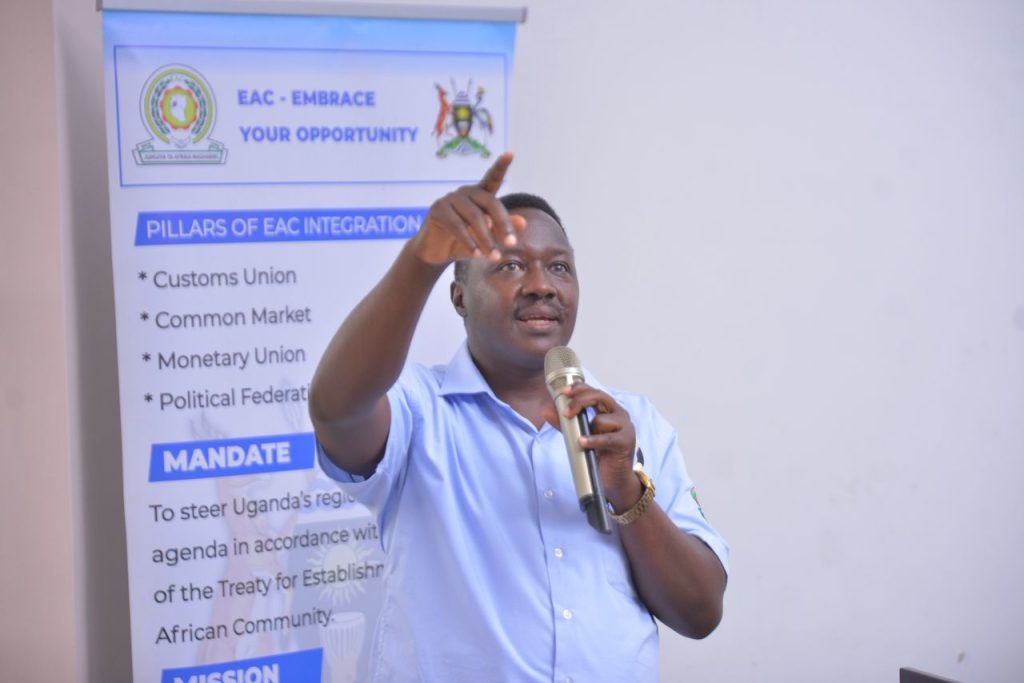
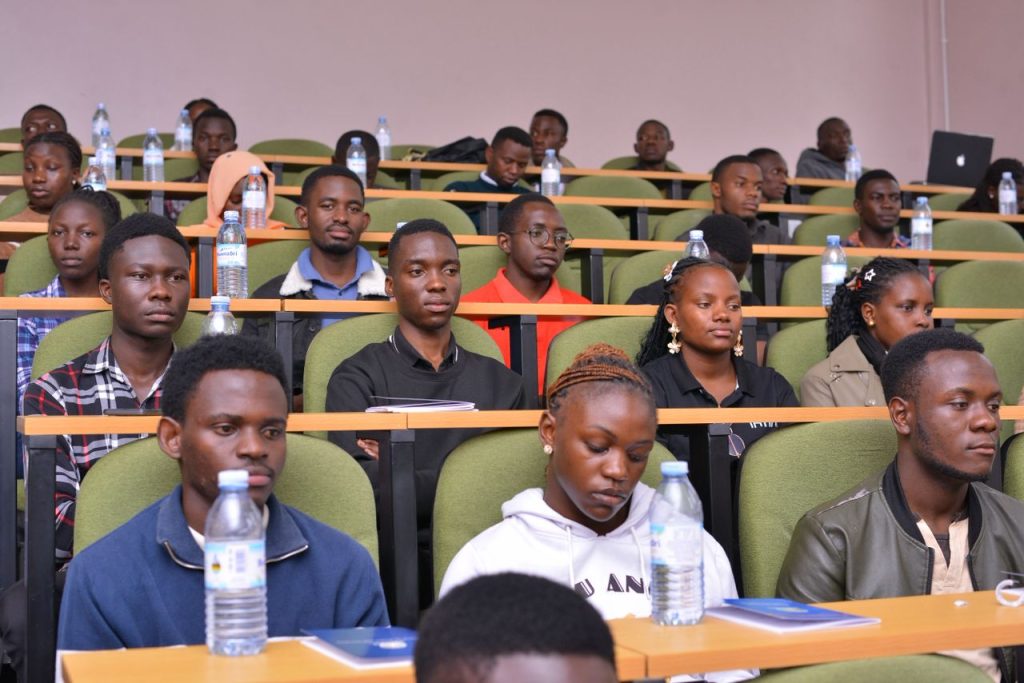
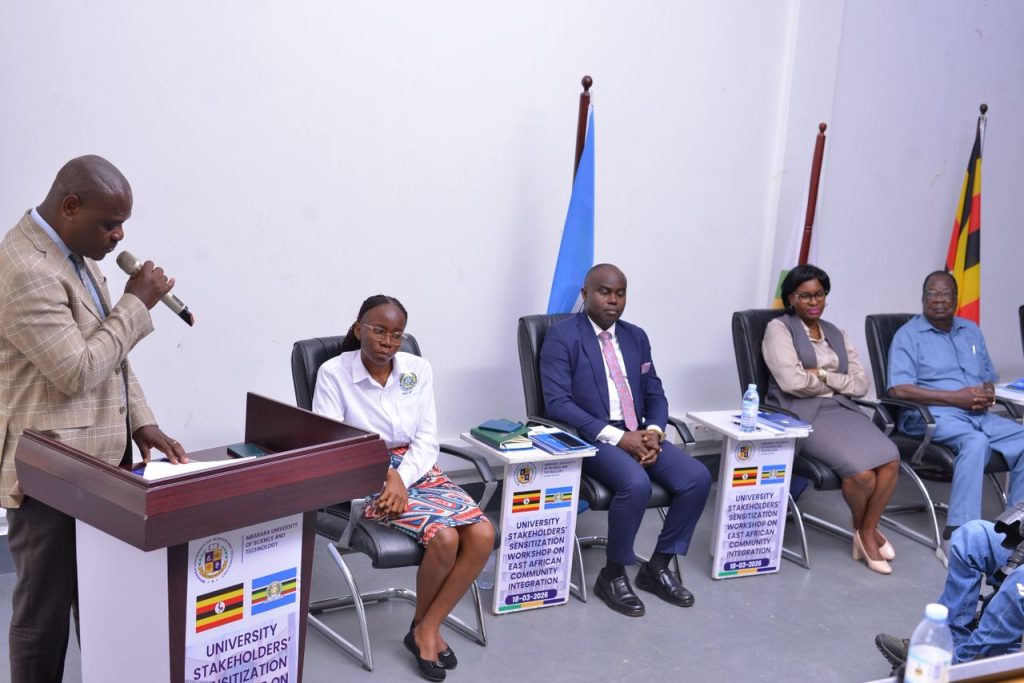
The delegation then proceeded to the Kihumuro Main Campus Auditorium, where they were met by a vibrant assembly of students and faculty. The session was moderated by Mr. Naboth Namanya, the Commissioner for Production and Infrastructure, alongside Ms. Angella Nakato, the MUST Communications Officer.
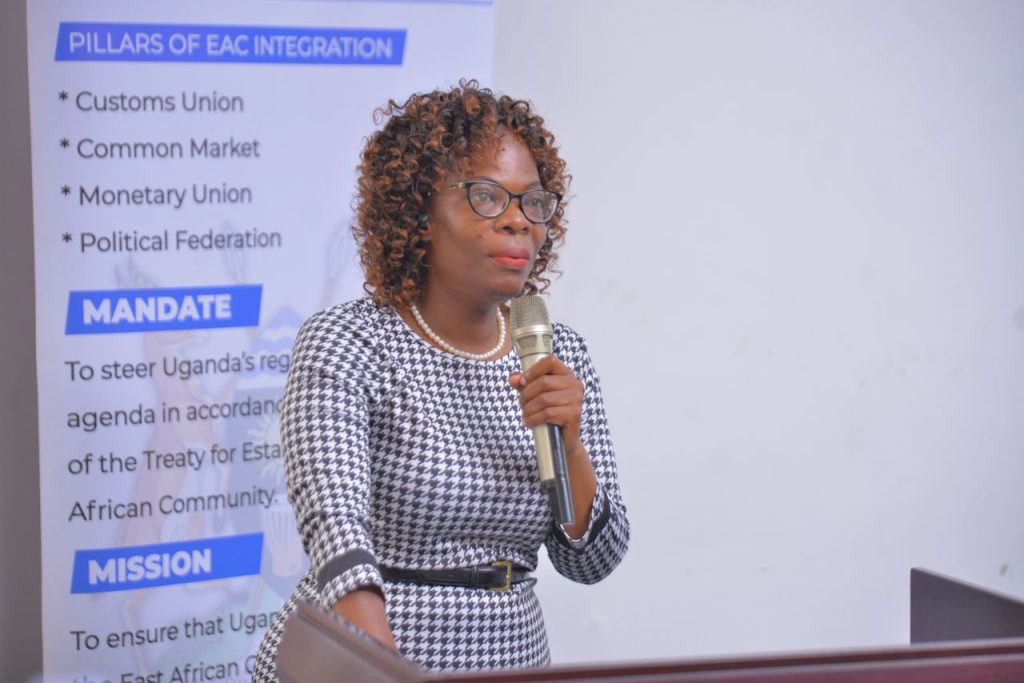
In her opening remarks, Prof. Pauline Byakika-Kibwika challenged the Ministry to support four key pillars for MUST:
1. Harmonized Research Ethics: Streamlining clinical trial approvals across borders to better respond to epidemics.
2. Joint Degree Programs: Facilitating co-supervised postgraduate training within the EAC.
3. Academic Mobility: Strengthening student and staff exchange programs.
4. Regional Funding: Increasing joint grant applications to address shared challenges like climate change and food security.

The Commissioner for Political and Legal Affairs, Dr. Andrew Musiime (representing the Permanent Secretary), delivered a technical presentation detailing the EAC’s growth to eight partner states most recently including the DRC and Somalia. He highlighted the ” Four Pillars of Integration”: The Customs Union, Common Market, Monetary Union, and the ultimate goal of a Political Federation. “The bigger the market, the bigger the purchasing power. We are moving from a focus on individual states to a regional population projected to hit 560 million by 2043,” Dr. Musiime noted.
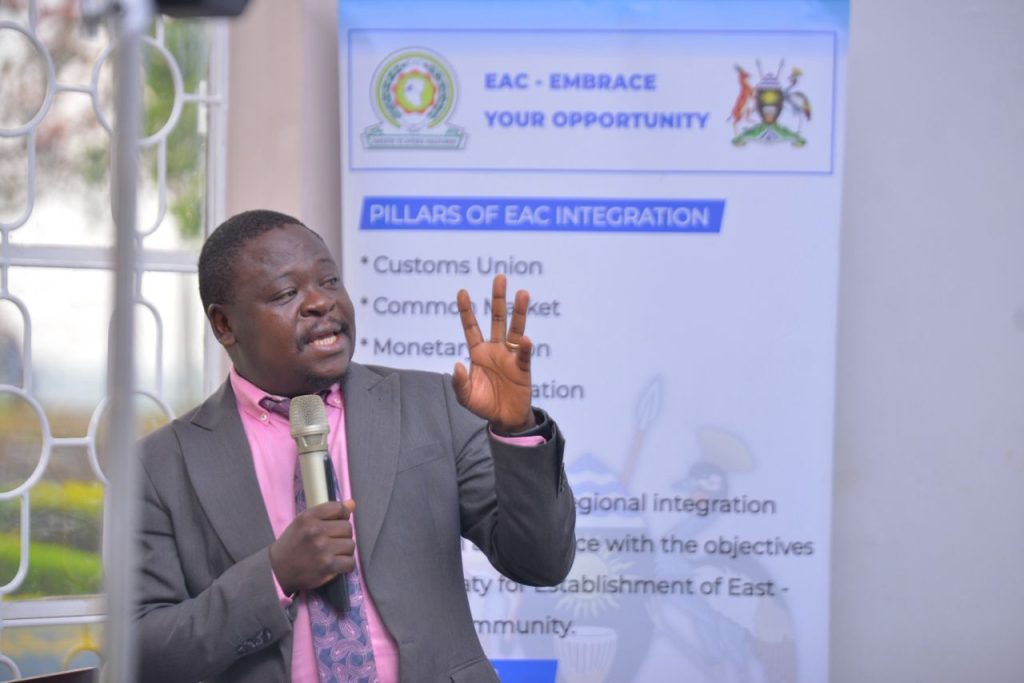
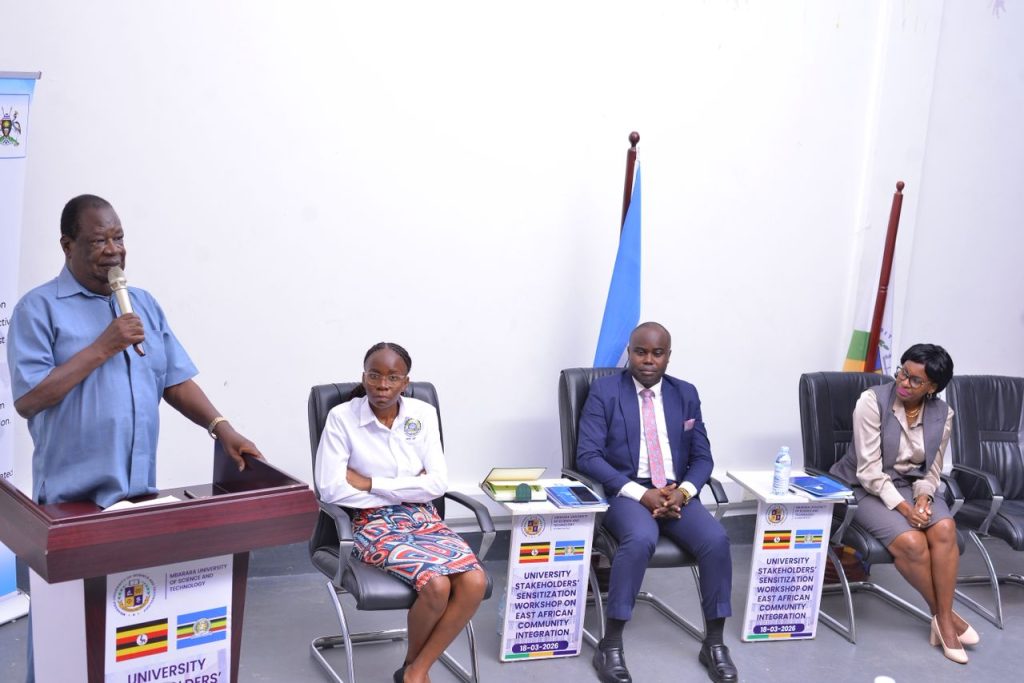
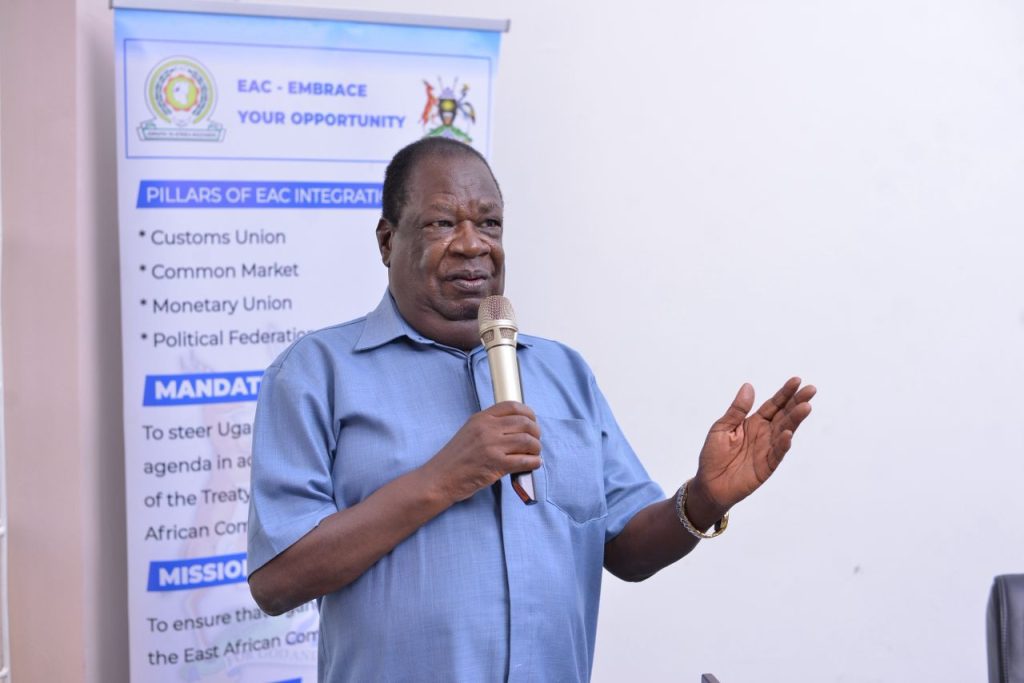
In a profound and historical keynote address, Hon. Ikeuya Magodi urged the students to look beyond the “artificial” colonial borders established at the 1884 Berlin Conference. “He who takes over your home cannot be taking it over for the interest of your home,” the Minister remarked, framing regional integration as a tool for reclaiming African dignity. He challenged the “scientists of MUST” to ensure that the digital revolution does not become a new form of external control, but rather a tool for local innovation.
Engagement
The Q&A session was a highlight of the day, with students and staff raising critical concerns regarding:
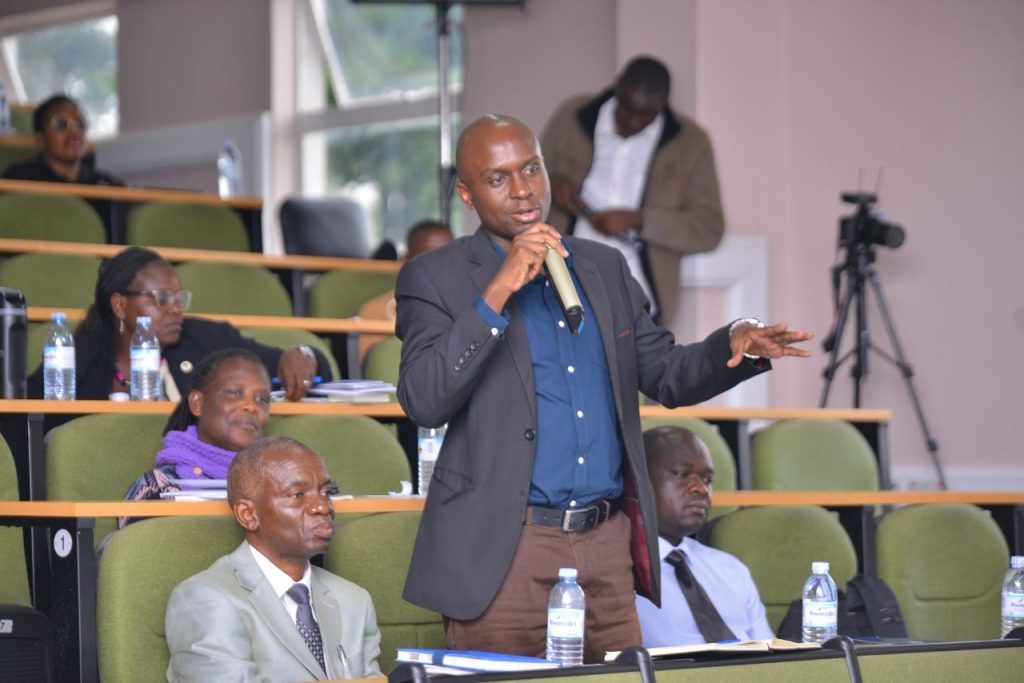
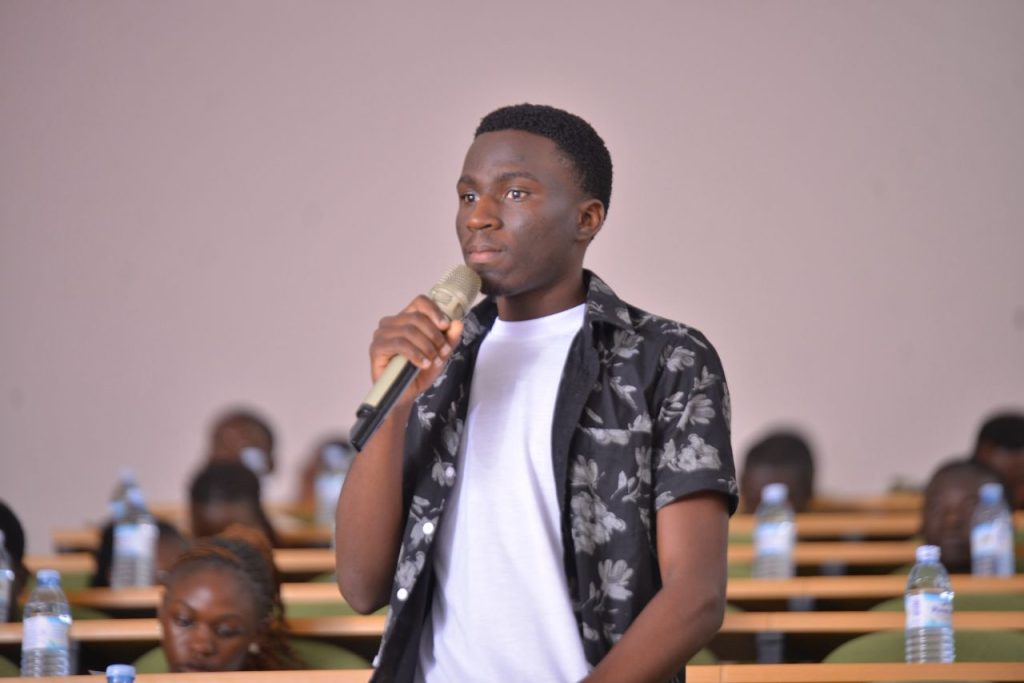

- The Scholarship Gap: Concerns over high financial requirements for certain regional scholarships.
- The Student Pass: Technical officers clarified that the EAC Student Pass is FREE for all East Africans.
- Innovation vs. Taxation: Engineering students questioned tax protocols that favor raw materials over finished, innovative products.
- The SGR: The Ministry confirmed ongoing negotiations to ensure a seamless Standard Gauge Railway connection from the Kenyan border to Kampala.
The Road Ahead:
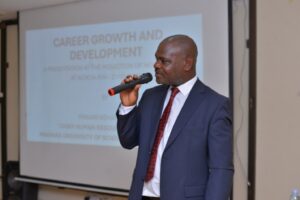
Closing the event, the Chief Human Resource Officer, Mr. Prinari Behangana, thanked the Ministry and proposed the establishment of “EAC Desk Officers” at MUST. He urged students to utilize the International Relations Office, located at the Town Campus, to access information on scholarships and mobility programs.
As the university anthem echoed through the hall, the message was clear: regional integration is no longer just a political aspiration but a scientific and academic necessity.
By transcending borders and harmonizing intellect, MUST is proving that the future of East Africa will not be written by outsiders, but by the innovators, researchers, and leaders within its own walls. For the “Prosperous, Competitive, and Politically United” East Africa we seek, succeed we MUST.