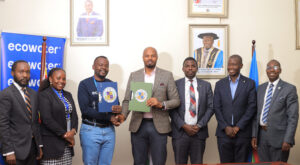
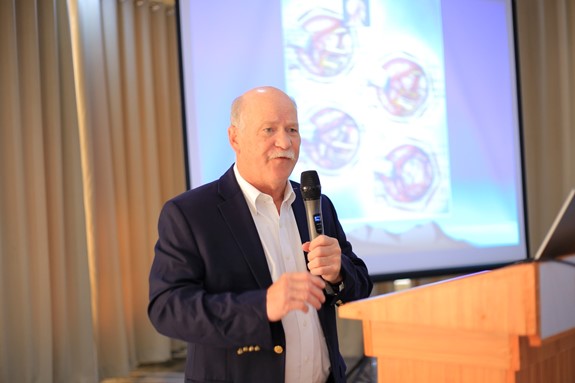
In the heart of Southwestern Uganda, a quiet revolution took place within the surgical theaters of Mbarara Regional Referral Hospital (MRRH). What began as a professional handshake has blossomed into a life-saving alliance between Mbarara University of Science and Technology (MUST) and the University of Colorado Anschutz Medical Campus (CU Anschutz).
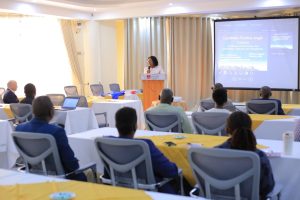
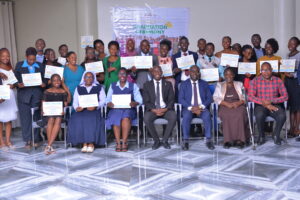
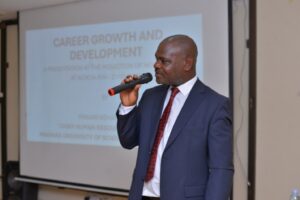
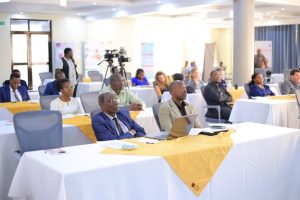 This February marked the 3rd International Neuroscience Conference, an annual landmark event established in 2024. More than just a meeting of minds, the conference serves as the anchor for a year-round partnership dedicated to one goal: elevating the quality and safety of neurosurgical care through contemporary technology and elite-level training.
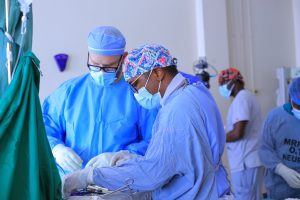
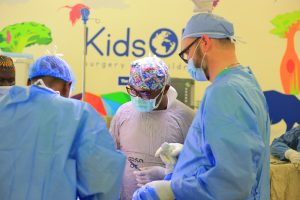
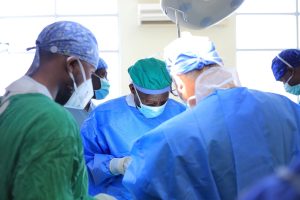
A theater of innovation: Skill transfer in action
The collaboration, led by the distinguished Prof. Lillehei, Prof. Ormond, and Dr. Cava (supported by Melissa and Dr. Ryan), is built on the principle of “skills transfer.” This year’s focus brought the future of neurosurgery to Mbarara, utilizing intraoperative ultrasound navigation for brain tumor resections a technique that allows surgeons to “see” through brain tissue in real-time.
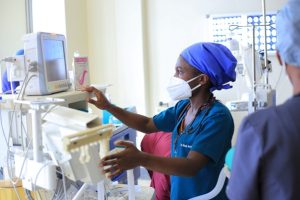
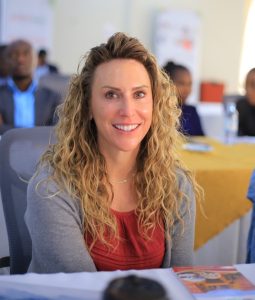 This high-tech approach is sustained by a steady stream of generosity. CU Anschutz regularly donates critical equipment and consumables, including pupillometers and hand-held ultrasound devices, ensuring that the tools of modern medicine are always within reach of the MUST surgical teams.
The Resident perspective: From theory to the Operating Table
For the neurosurgery residents at MUST, the conference was a transformative experience.
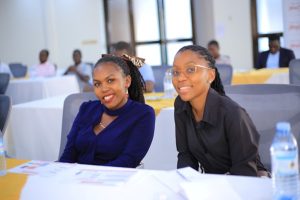
Dr. Frank Sikakulya COSECSA Resident in Neuro-Surgery, reflected on the shift in his clinical perspective:
“The discussions on brain mapping and awake craniotomy have changed how we think about tumor surgery. Learning to preserve speech and motor function while removing a tumor will significantly improve our surgical decision-making.”
For others, the focus on adaptable technology was the highlight.
“In resource-limited settings, intraoperative MRI isn’t always available. Learning to use ultrasound as a powerful alternative was extremely valuable,” explained one trainee.
The rare opportunity to discuss complex cases with experts who have decades of experience has not only expanded their clinical thinking but bolstered their confidence as the next generation of Ugandan surgeons.
A life reclaimed: The patient’s voice
The true impact of this partnership is best told by those on the operating table. A 42-year-old resident from Kabwohe, Sheema District, found himself at MRRH after persistent headaches turned into debilitating dizziness and hearing loss.
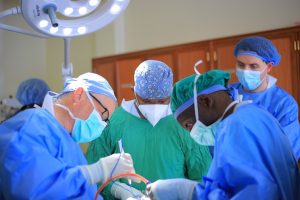
Diagnosed with a complex tumor in the cerebellopontine angle (CPA) a delicate region affecting balance and vital nerves he became a candidate for surgery during the conference. Under the combined expertise of the MUST and CU Anschutz teams, he underwent a successful procedure.
“The doctors explained everything to me. I am grateful for the care and attention; I feel hopeful knowing I received treatment from such experienced doctors,” he shared, a testament to the human lives behind the statistics.
 The Road Ahead: Strengthening the Ecosystem
As the conference concluded, the call for sustained investment grew louder. Experts emphasized that the future of neurosurgery in Uganda requires more than just equipment,it requires a robust ecosystem. This includes:
- Specialized Training: Increasing the number of neurosurgeons, neuropathologists, and neurocritical care teams.
- Diagnostic Capacity: Improving access to advanced imaging, immunohistochemistry, and molecular pathology.
- Continuous Learning: Expanding the regular online teachings hosted by Dr. Cava and Melissa, alongside the thriving faculty exchange programs.
By bridging the gap between Mbarara Regional Referral Hospital and Colorado, MUST is proving that geographical boundaries are no match for scientific collaboration.
“Neurosurgery is not just about the dexterity of the hands; it is about the courage to innovate and the humility to share knowledge across borders so that every patient, regardless of where they live, has a second chance at life.”