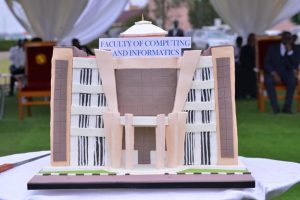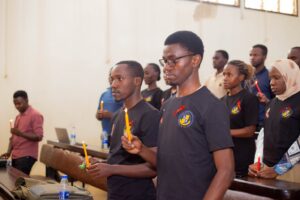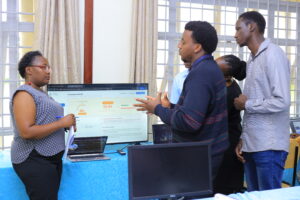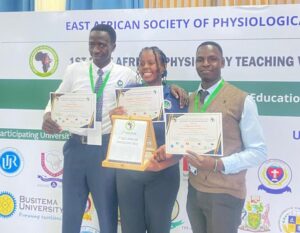
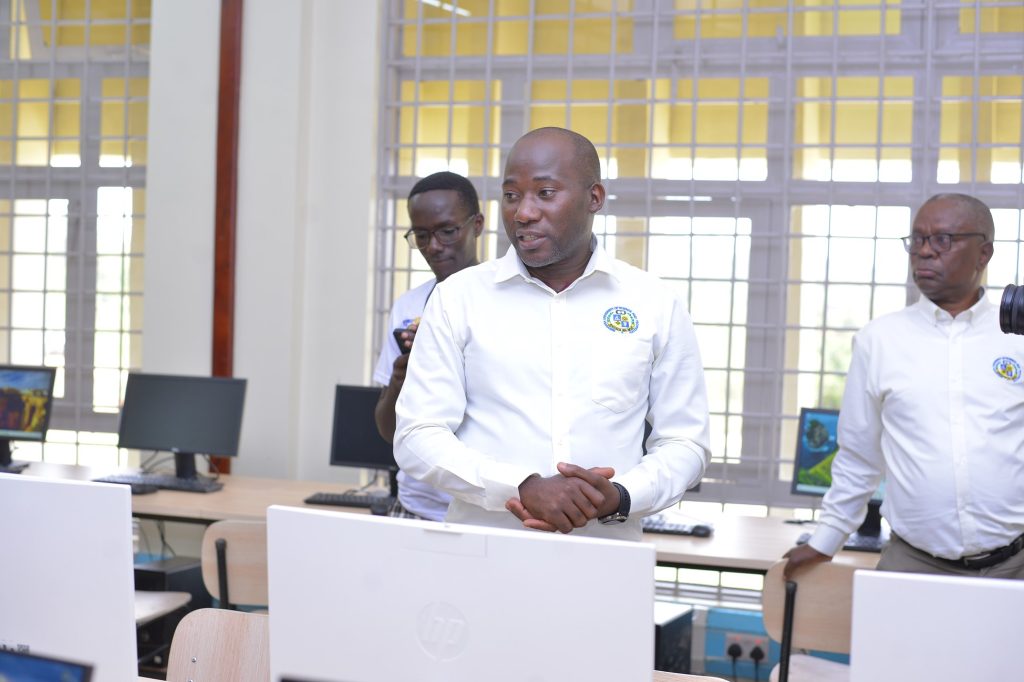
On the July 4, 2025, The commissioning ceremony was enriched by a series of insightful remarks from various speakers, each offering unique perspectives on the significance of the new Faculty of Computing & Informatics (FCI) building and the future of ICT at Mbarara University of Science and Technology (MUST)notwithstanding the challenges as a Faculty University and latest ICT infrastructure. The speeches and remarks were as below:
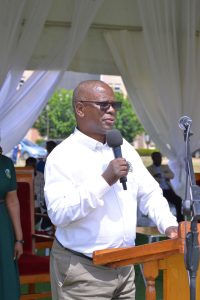 Prof. Tushabomwe C. Kazooba, Deputy Vice Chancellor, Finance & Administration, and Head of the Organizing Committee of the event, conveyed immense joy in witnessing the vision for FCI come to life. He recalled the faculty’s humble beginnings in 1998 with just 7 pioneer students and 40 computers, emphasizing the new building’s crucial role in achieving future ambitions. Prof. Kazooba extended gratitude to the university administration, the Government of Uganda, and the dedicated university staff for their collective efforts in making this landmark project a success. He shared how each Faculty was/is associated with FCI and their interpretation of computing and informatics


Edgar Kaheru Bwambale, a Software Engineering student and Minister of ICT in the 35th Student Guild, offered a heartfelt student’s perspective. He praised the faculty for their mentorship, which he credited with his research success. Edgar also expressed gratitude to the university administration and the Government of Uganda for their unwavering support. He acknowledged the patience of his fellow students throughout various relocations and shared lecture spaces, concluding with a hopeful note: “We finally have a home. As a finalist, I am motivated to come back for a master’s.”
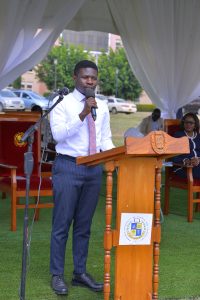
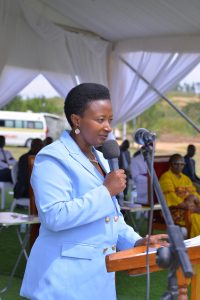
Dr. Angella Musiimenta, Deputy Dean of FCI, traced the faculty’s remarkable journey from a small department to a full-fledged faculty in 2016. She emphasized FCI’s core mission of delivering quality, relevant education focused on science and technology for sustainable development.
 Looking ahead, Dr. Musiimenta outlined ambitious plans to drive Uganda’s digital transformation through new programs in Data Science, AI, and IoT, alongside fostering competence-based learning and expanding research, including an innovative project utilizing data science for improved medical imaging. She also highlighted the need to address existing infrastructure gaps and promote staff to boost motivation.
Please click the link below to access the complete speech from the Deputy Dean,FCI

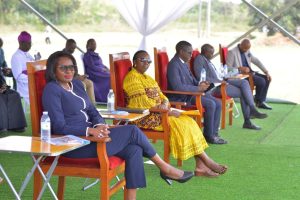 In his welcoming remarks, Dr. Evarist Nabaasa, Dean of FCI, expressed profound gratitude to H.E. the President for his visionary leadership in digital transformation, as well as to the government, university leadership, and all stakeholders for their vital support. He underscored the new building’s impressive capacity to accommodate 800 students and over 80 staff, which is crucial for the faculty’s expanded ambitions.
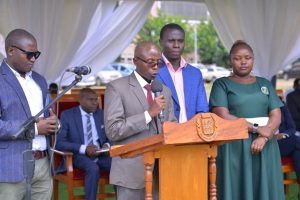
Dr. Nabaasa proudly mentioned FCI’s annual output of over 1000 highly skilled graduates and their nationally recognized innovations, attributing much of this success to strong global partnerships. While celebrating achievements, he also candidly addressed challenges like internet constraints affecting cutting-edge research, expressing hope for increased budget allocation to further FCI’s significant contribution to Uganda’s digital transformation.
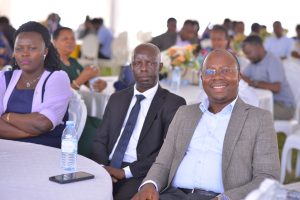


Prof. Pauline Byakika-Kibwika, the Vice Chancellor, provided a broader overview of MUST’s institutional growth, from its humble beginnings with 43 students in 1989 to its current standing as Uganda’s second-largest academic institution with new research institutes. She lauded FCI’s evolution into a state-of-the-art hub as a testament to MUST’s unwavering commitment to STEM excellence.
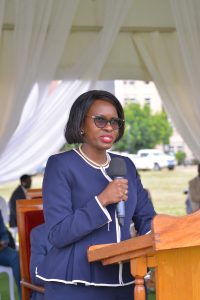 The Vice Chancellor extended deep appreciation to the Government of Uganda for its steadfast support, specifically acknowledging the President’s directive and NEC’s integral role in the Phase 2 construction. She also recognized Ubuntu Consulting and the invaluable guidance of both past and present university leadership, including retired luminaries Prof. Celestino Obua and Mr. Melchoir Byaruhanga.
Please click the link below to access the complete speech from the Vice Chancellor

 Representing the University Council, Eng. Denis Galabuzi Ssekandi commended the collaborative efforts of the government through NEC, University management, and the students. He reaffirmed the University Council’s commitment, particularly from the Estates and Works Committee, which he chairs. He concluded by thanking the Vice Chancellor for organizing such a vibrant event.
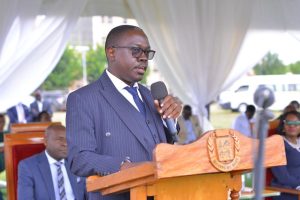

Hon. Molly Asiimwe, Head of the Education Committee of Parliament and Woman MP for Rwampara District, representing Chief Guest Rt. Hon. Thomas Tayebwa, the Speaker of Parliament, conveyed her remarks. She praised H.E. the President’s wisdom and vision, highlighting the new building as a testament to results-oriented leadership.
Hon. Asiimwe acknowledged the university leadership for setting the pace for growth and expressed the government’s high expectations for impactful innovations from the faculty. She encouraged the faculty to collaborate closely with communities in leveraging these innovations. She particularly appreciated several of the innovations showcased. Hon. Asimwe also inquired about the dissemination of these innovations to relevant communities and pledged the government’s continued support.
Please click the link below to access the complete speech from the Chief Guest

This state-of-the-art facility, with its enhanced capacity for students and staff, directly serves MUST’s mandate to foster academic and professional excellence in Science and Technology. By expanding its infrastructure and programs, particularly in cutting-edge areas like Data Science, AI, and IoT, MUST is not only preparing a new generation of skilled professionals but also actively driving Uganda’s digital transformation. This strategic investment underscores the university’s commitment to producing graduates equipped with practical skills and a global perspective, ensuring they are prepared for local and international opportunities and can contribute meaningfully to national development and a sustainable future.