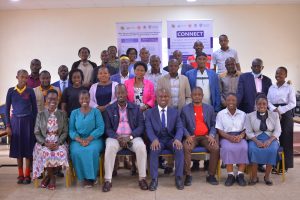
Isingiro, Uganda – In a powerful demonstration of collaborative commitment to adolescent well-being, Mbarara University of Science and Technology (MUST), through its Faculty of Interdisciplinary Studies, proudly announced the official launch of the “Caregiver-Adolescent Sexual and Reproductive Health Communication among Refugee and Host Communities in Southwestern and Northern Uganda (CONNECT)” project today, Thursday, June 19, 2025. This vital initiative, unfolding at the Isingiro District Resource Centre, marks a significant stride towards empowering adolescents and their caregivers in some of Uganda’s most vulnerable populations.

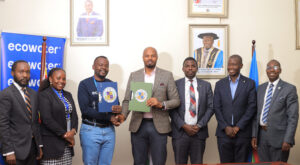
The CONNECT project is a testament to the power of partnership, bringing together leading institutions and organizations. Funded generously by the International Development Research Centre (IDRC), Global Affairs Canada, and the Canadian Institutes of Health Research under the Addressing Neglected Areas of Sexual and Reproductive Health and Rights in Sub-Saharan Africa (ANeSRA) initiative, this three-year endeavor will run from February 2025 to January 2028. MUST leads as the prime applicant, working hand-in-hand with the University of Windsor Canada, Uganda Red Cross Society, the Ministry of Health, and Soar Research Foundation, Uganda.
 CONNECT aims to implement and rigorously evaluate a parent/caregiver-adolescent communication intervention on Sexual and Reproductive Health (SRH). This intervention is specifically designed to navigate the complex challenges faced by displaced and dysfunctional families within the Nakivale and Bidibidi Refugee Settlements and their surrounding host communities.
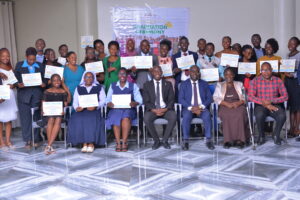
The launch event itself was a powerful reflection of this collaborative spirit, drawing in key stakeholders including district leadership, representatives from the Ministry of Health, and the dedicated project team.
A Collaborative Spirit for a Critical Need
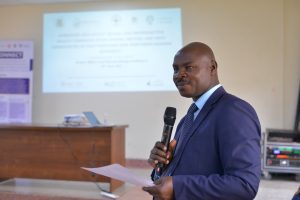
The day began with welcoming remarks from Mr. Benard Ahimbisibwe, the Deputy CAO of Isingiro, who immediately set a collaborative tone. He highlighted the urgent need for such a project in Isingiro, a district grappling with the realities of a significant refugee population, alongside pressing issues like adolescent marriages and teenage pregnancies. Mr. Ahimbisibwe passionately pointed out the existing communication gap between parents and children regarding SRH, emphasizing the crucial importance of equipping caregivers with the skills to engage adolescents effectively. He pledged the district’s unwavering support, assuring full cooperation for the project’s success.
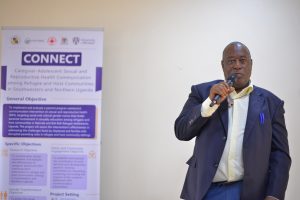
Mr. Betunga Henry, the LC II chairperson, Rwebishekye Parish Rwanyamahembe,Mbarara District, shared a personal connection, recalling his involvement with the project since the challenging days of the COVID-19 lockdown. He echoed the concern about parents’ shyness in discussing SRH with their adolescents and powerfully stressed the paramount importance of family unity and positive parenting as cornerstones for holistic adolescent SRH.
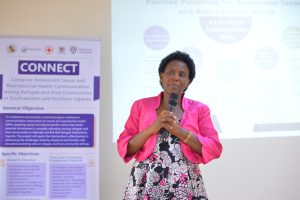
Dr. Irene Munyango, Ag. Assistant Commissioner, Adolescent and School Health at the Ministry of Health (MoH), emphasized the Ministry’s pivotal role in policy formulation and expressed genuine enthusiasm for the partnership with MUST. She hailed the project as an “exciting thing,” anticipating its significant contribution to evidence-based interventions. Dr. Munyango eloquently highlighted that CONNECT’s framework extends far beyond health and education, reaching into the broader fabric of community well-being. She underscored the fundamental and irreplaceable role of parents, stating, “Parenting will always move round and round but come back to the parents; schools will help, churches will help, the community will help, but the parent creates the foundation.”
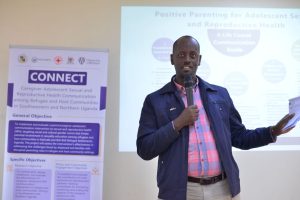 Concluding the opening remarks, , the Deputy RDC for Isingiro, extended profound gratitude to all the partners involved: the Ministry of Health, the Red Cross, the University of Windsor, Mbarara University of Science and Technology (MUST), and Soar Research Foundation. His appreciation underscored the rich tapestry of diverse expertise and multi-sectoral collaboration that is absolutely crucial for the project’s success.
Unveiling the Vision: Project Design and Expected Outcomes
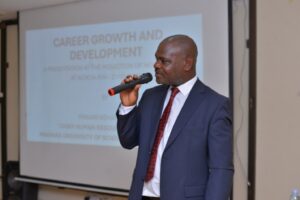
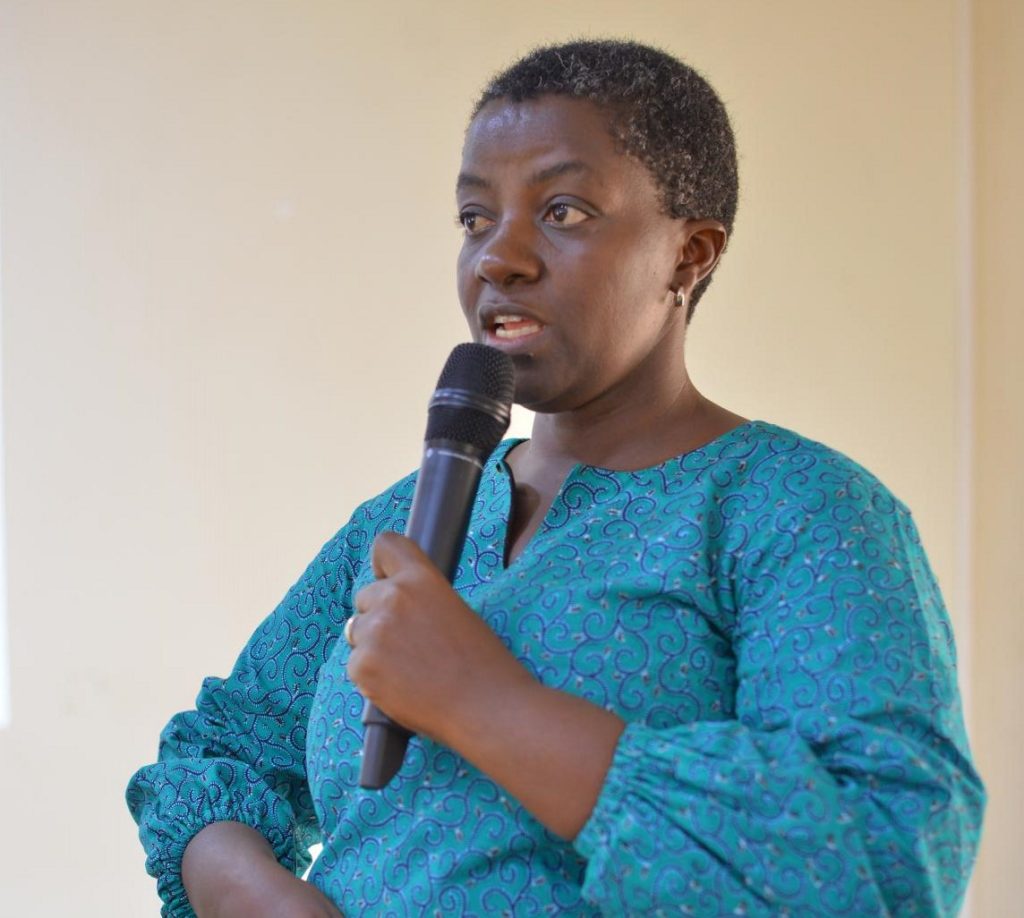
 The core of the CONNECT project’s vision was eloquently unveiled by Dr. Viola Nilah Nyakato, a key figure in the initiative. She introduced the dedicated project team and painted a clear picture of the context: Uganda currently hosts 1.7 million refugees, with a staggering 50% of this population being under 18 years old – a demographic particularly vulnerable to SRH challenges. Dr. Nyakato articulated the project’s core aim: to meticulously adapt and evaluate a previously successful SRH communication intervention, tailoring it for caregivers and adolescents within the unique contexts of the Nakivale and Bidibidi refugee settlements.
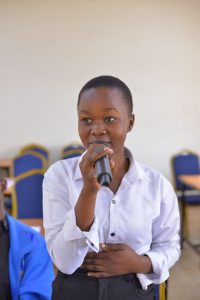
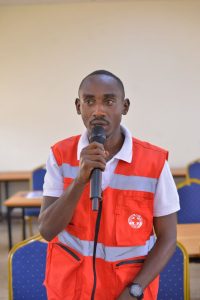
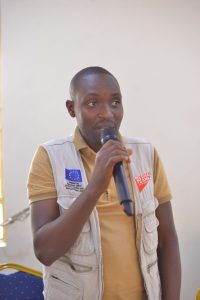
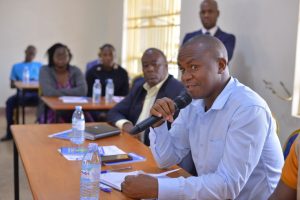
Q and A session
The project’s specific objectives are multifaceted and ambitious:
- Research: This involves thoroughly contextualizing, designing, implementing, and evaluating the effectiveness of caregiver-adolescent SRH communication. This includes a comprehensive literature review, longitudinal monitoring of communication frequency, caregiver comfort levels, attitudes, and the overall feasibility of the intervention.
- Gender Transformative: A critical component is to assess the intricate social, economic, and cultural factors influencing the intervention’s effective implementation. This will involve baseline surveys on gender-equitable SRH norms, a deep assessment of power relations, and evaluating effectiveness using Gender-Significant Change Stories. Community Advisory Boards (CABs) will play an indispensable role in guiding this aspect.
- Policy and Community Engagement: This objective focuses on fostering multi-sectoral synergy and ensuring meaningful policy contributions. Activities will include developing a robust framework for adolescent SRH advocacy, directly contributing to national SRH strategies, widely disseminating findings, and producing accessible educational materials for all stakeholders.
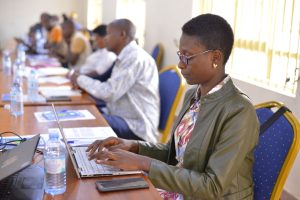
The project’s scope is indeed significant, encompassing the Nakivale and Bidibidi refugee settlements, which alone host over 300,000 refugees, as well as their host districts of Isingiro and Yumbe, with a combined population exceeding 1,000,000 people. MUST and its partners bring a wealth of proven experience in SRH research, a strong track record of working effectively with CABs, and a robust policy engagement framework. This ensures a clear pathway for scalability and sustained impact, promising that the insights gained and successes achieved can benefit even broader populations.
The launch of the CONNECT Project gives hope to adolescents and their caregivers in both refugee and host communities. It promises to foster healthier communication, empower families, and contribute significantly to a more equitable and healthier future for all. Mbarara University of Science and Technology is incredibly proud to lead this transformative initiative.