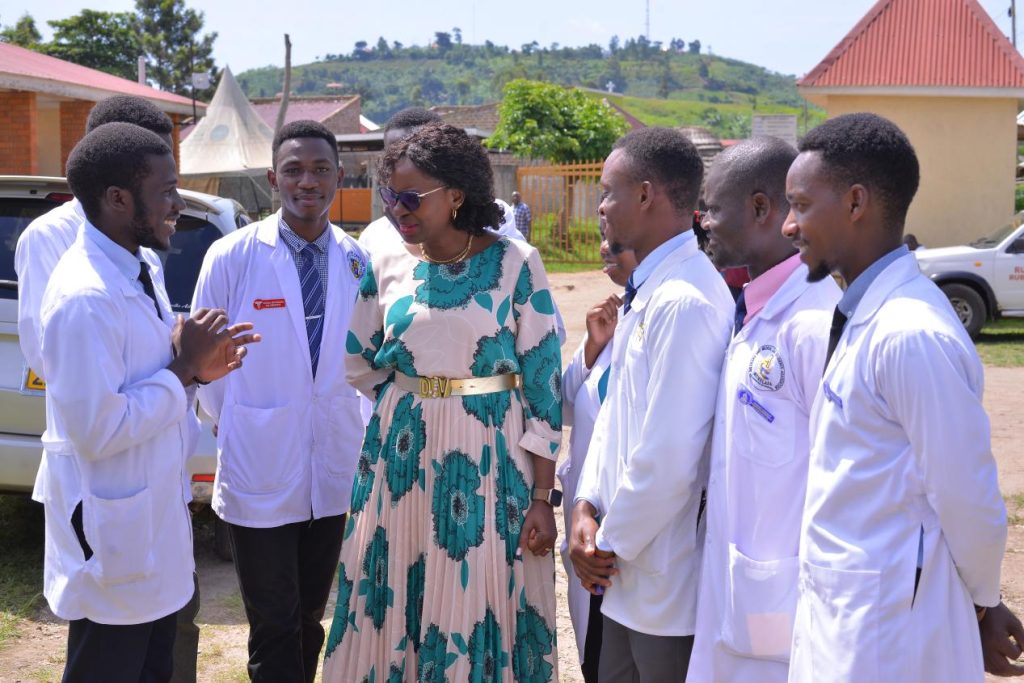
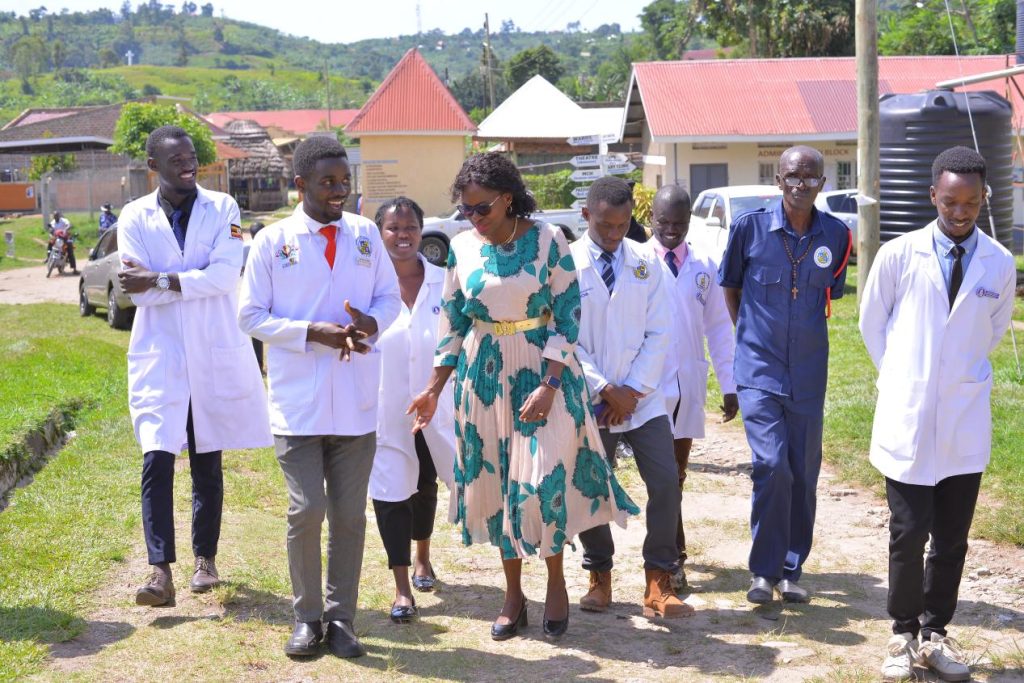
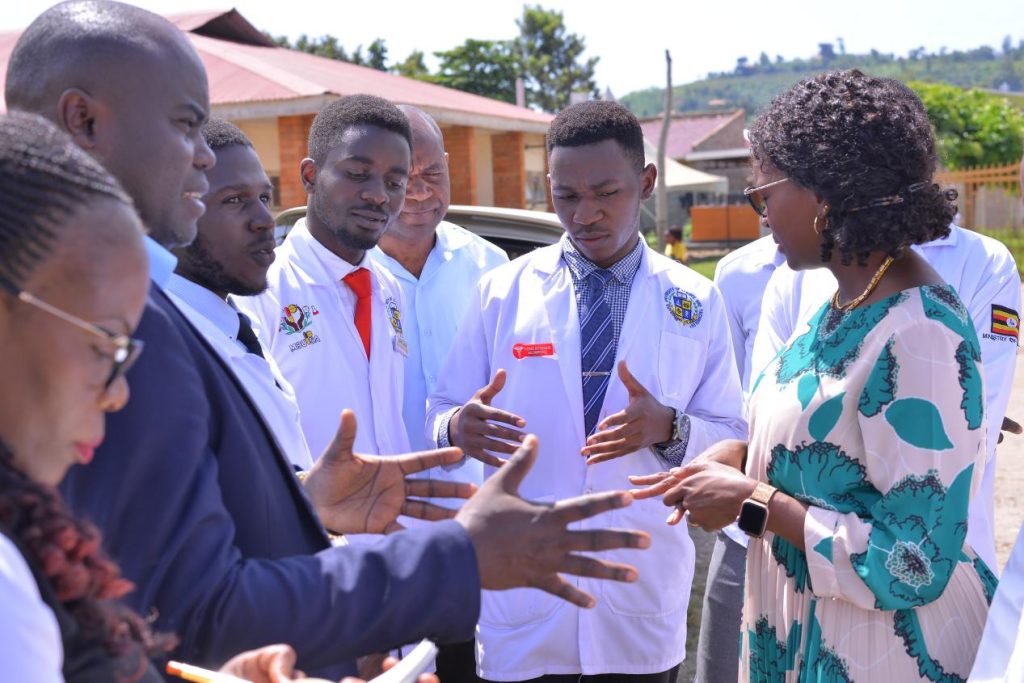
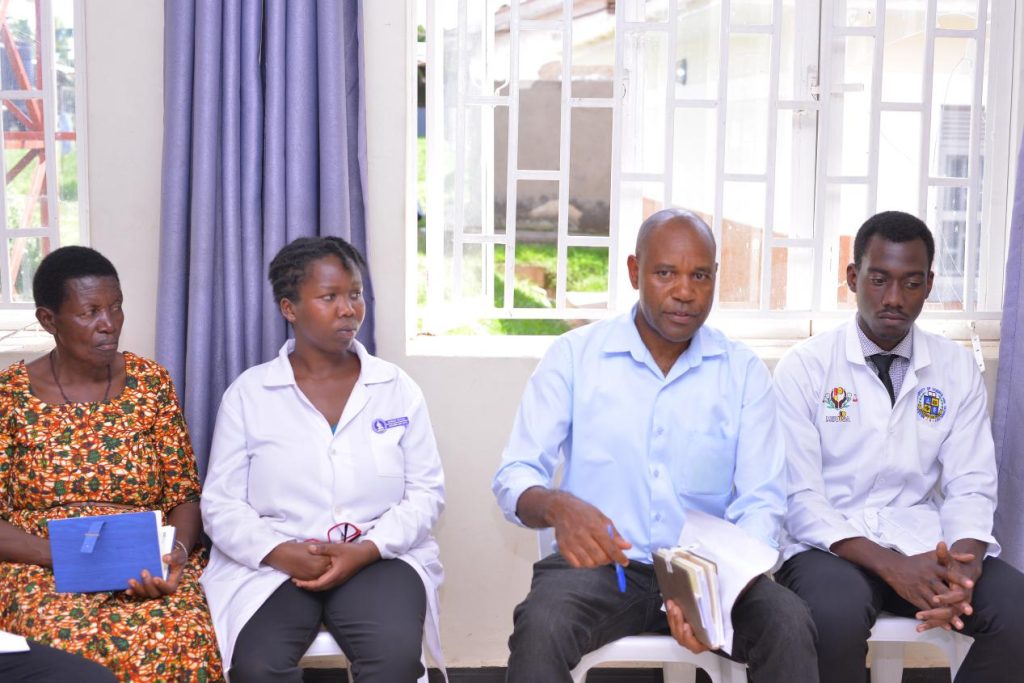
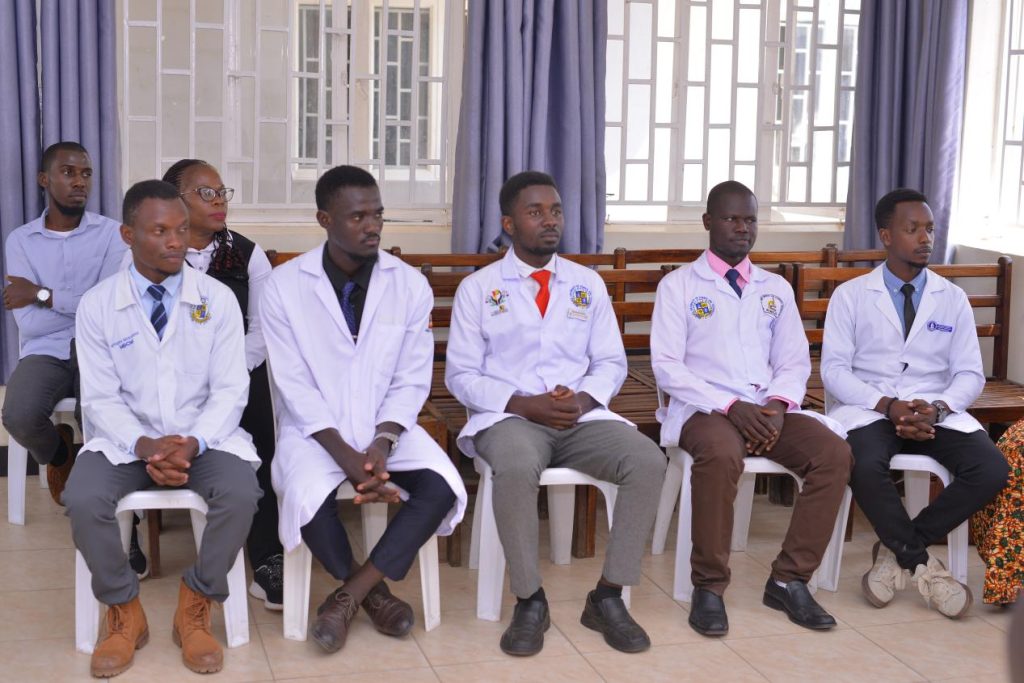
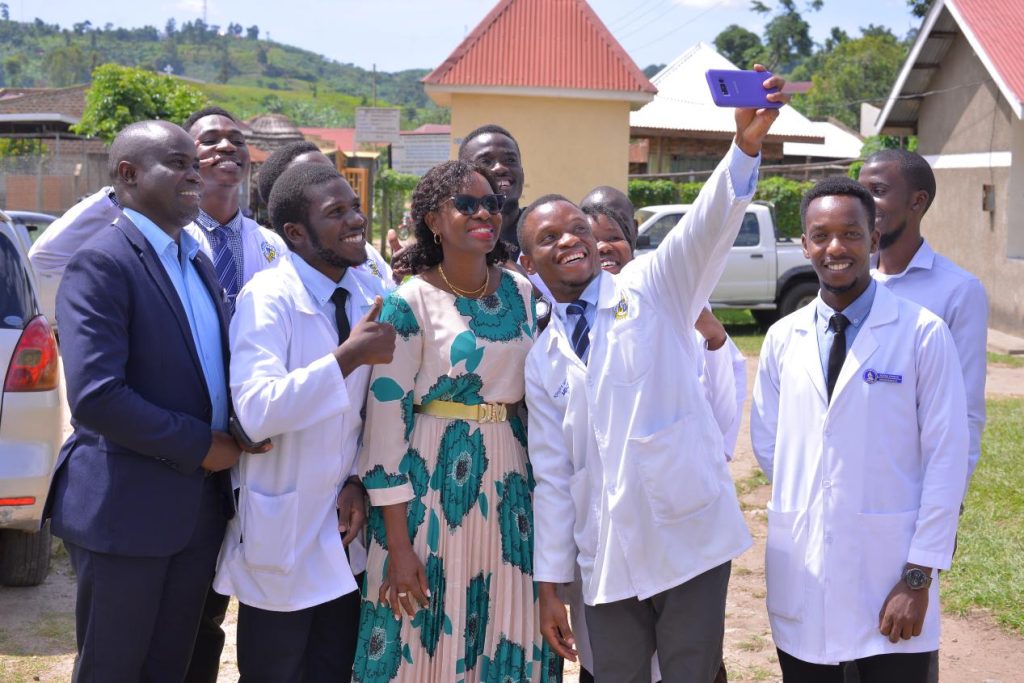
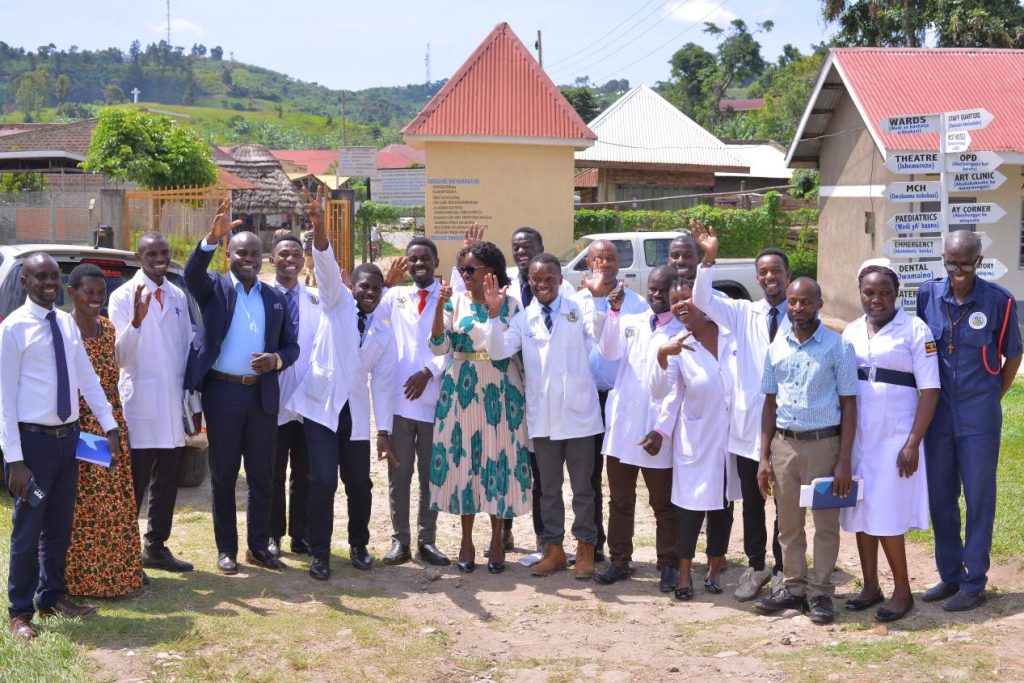
Mbarara University of Science and Technology (MUST) is renowned for its community placement program, which plays a critical role in the education of medical students. Recently, the Vice Chancellor, Prof. Pauline Byakika-Kibwika, visited students at the Rugazi Health Centre, where they shared insightful experiences from their community engagement.
During their time at the Rugazi Health Centre, students identified significant health challenges within the community, particularly concerning sickle cell disease and diabetes.
Sickle Cell Disease Awareness
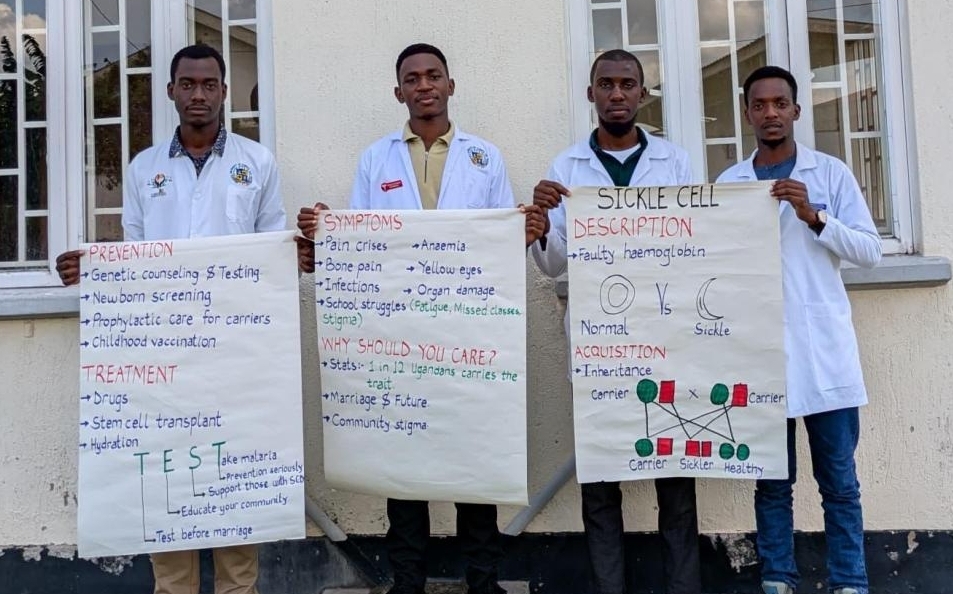
The students discovered that many community members were unaware of sickle cell disease. Despite records indicating a high prevalence and manifestation of the condition, misconceptions persisted. Mothers often attributed the disease to witchcraft rather than recognizing it as a medical issue. To address this knowledge gap, the students organized school talk shows and planned a radio talk show in collaboration with the District Health Office (DHO) to raise awareness and educate the community about sickle cell disease.
Diabetes Management
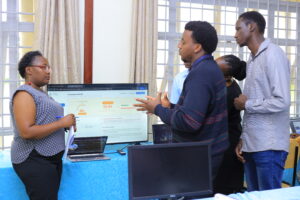
Similarly, the prevalence of diabetes in the community was alarming. Many individuals lacked access to medication and were not informed about proper dietary practices. The students actively engaged with patients, discussing their conditions and gathering information to create educational materials. They planned to develop a chart outlining the appropriate foods for managing diabetes, aiming to empower community members with knowledge about healthy eating.
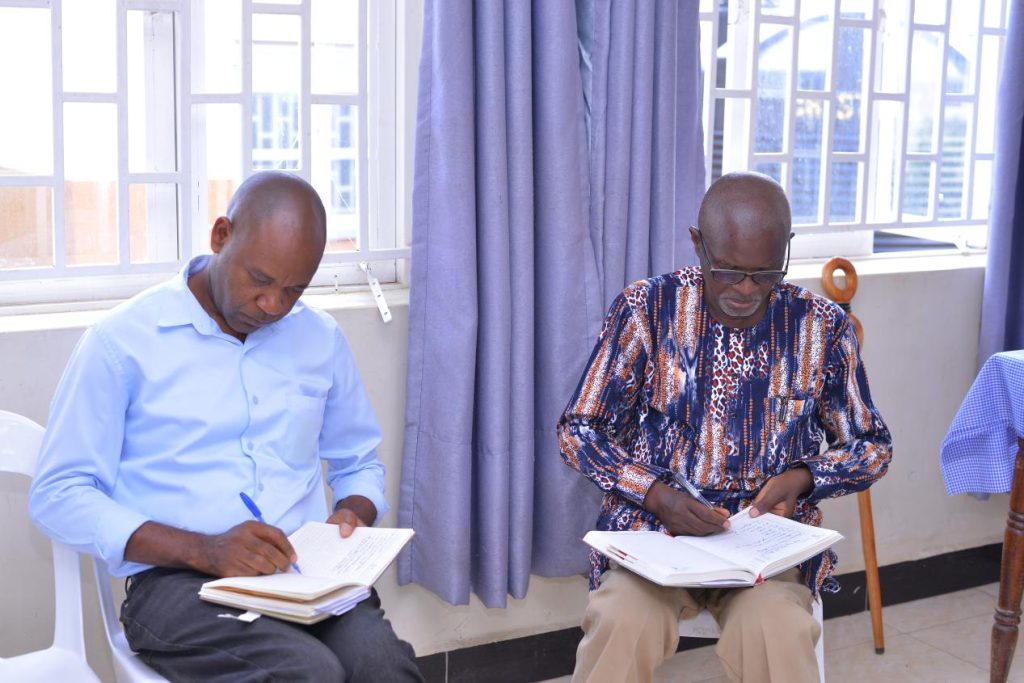
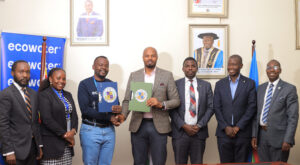
L- R Dennis Tumuramye Dr. Gad Ruzaza
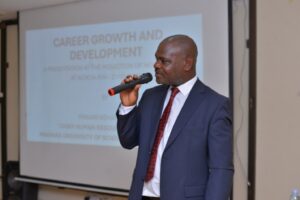
Mr. Dennis Tumuramye, the assistant involved in the community placement, shared essential steps for successful community integration, which can be applied to similar initiatives:
Preparation
- Assessment Evaluate the community’s needs and readiness for health education.
- Care Planning: Develop a tailored plan to address specific health issues.
- Resource Identification: Identify local resources and support networks available to the community.
Placement Process
- Transition Planning: Create a structured approach to facilitate community engagement.
- Housing Arrangement: Ensure that community health services are accessible.
- **Service Coordination**: Collaborate with local health providers to ensure comprehensive care.
Community Integration
- Support Network Establishment: Build a network of local health advocates and community members.
- Skill Development: Provide training on health management and prevention strategies.
- Monitoring and Evaluation Regularly assess the impact of health interventions and adjust strategies as necessary.
Ongoing Support
- Case Management: Assign health educators to oversee community health initiatives.
- Crisis Intervention: Develop plans to address health emergencies effectively.
- Review and Revision: Continuously evaluate and improve health education programs to meet community needs. Denis also shared the challenges they face while organising for community placement.
The community placement program at Mbarara University of Science and Technology is vital for bridging the gap between medical education and community health needs. Through proactive engagement and education, students are not only enhancing their learning experience but also making a meaningful impact on public health in their communities. By addressing misconceptions and providing vital health information, these initiatives can lead to better health outcomes and increased awareness among community members.
Succeed We Must