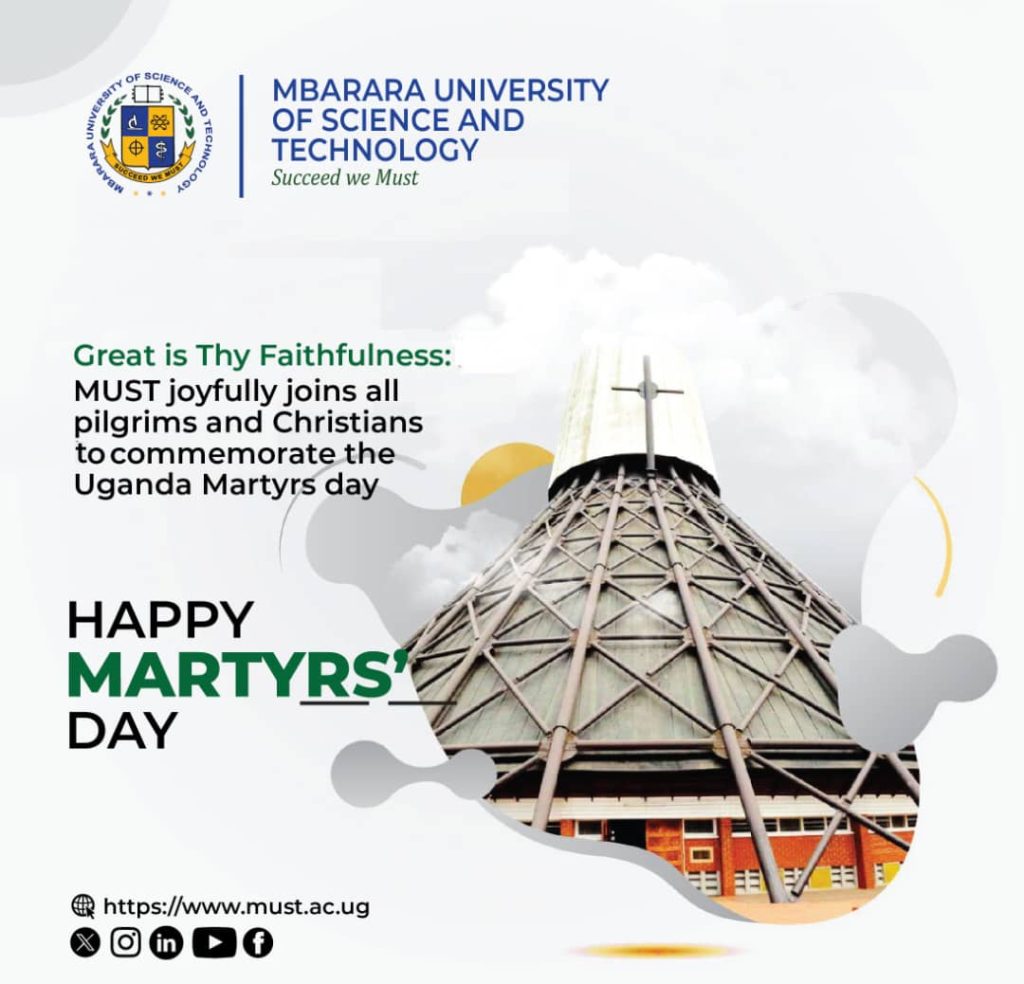
Every year on June 3rd, Uganda, and indeed the global Christian community, turns its gaze to Namugongo. This sacred site, located just outside Kampala, is the hallowed ground where the Uganda Martyrs, a group of brave young men, paid the ultimate price for their Christian faith in the late 19th century.1 Their story is not just a historical account; it is a powerful narrative of conviction, sacrifice, and the enduring power of belief.
The saga of the Uganda Martyrs unfolded between 1885 and 1887, during the reign of Kabaka Mwanga II of Buganda.2 Following the arrival of missionaries and the subsequent conversion of many Baganda, including members of the royal court, Christianity began to take root in the kingdom.3 However, Kabaka Mwanga, suspicious of the growing influence of this new foreign religion and viewing it as a threat to his authority and traditional customs, launched a brutal persecution against the converts.4
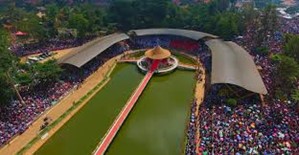
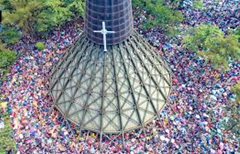
Aerial view of Namugongo during the celebration
Among the victims were 22 Catholic and 23 Anglican converts, many of whom were young pages serving in the Kabaka’s court.5 These courageous individuals, despite facing immense pressure, torture, and the threat of a horrific death, refused to renounce their newfound faith.6 Their unwavering resolve in the face of persecution became a beacon of inspiration.
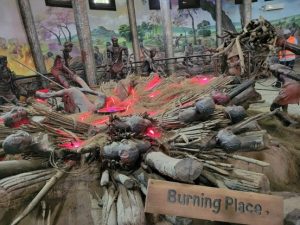
The climax of this period of persecution occurred on June 3, 1886, at Namugongo. Here, a large group of the martyrs, including the revered St. Charles Lwanga and his companions, were burned alive.7 Their agonizing deaths, witnessed by many, were reportedly met with hymns and prayers, further solidifying their steadfastness.8 Other martyrs were executed in various locations and through different brutal methods, including beheading and dismemberment, for daring to defy the king’s orders.9
The impact of the Uganda Martyrs’ sacrifice was profound. Far from suppressing Christianity, their heroic deaths ignited a spiritual fire that led to a rapid growth of the church in Uganda.10 Their story became a testament that faith could not be extinguished by persecution, but rather strengthened and spread through the very acts designed to suppress it.
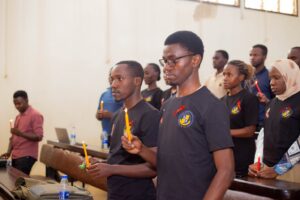
Today, Namugongo is a major pilgrimage site, attracting hundreds of thousands, sometimes millions, of pilgrims from across Uganda and beyond each year.11 They journey, often on foot, to commemorate the martyrs, seek their intercession, and draw inspiration from their unwavering faith.12 The Catholic and Anglican shrines at Namugongo stand as powerful symbols of this shared history and sacrifice.13
The Uganda Martyrs are not just historical figures; they are revered saints and national heroes.14 Their legacy continues to remind us of the fundamental importance of religious freedom, the courage required to stand firm in one’s convictions, and the transformative power of faith in the face of adversity. Their story remains a cornerstone of Uganda’s spiritual identity and a universal message of enduring hope.15
The details of the Uganda Martyrs
The Uganda Martyrs consist of 45 young men – 22 Catholic and 23 Anglican – who were executed between 1885 and 1887 on the orders of Kabaka Mwanga II of Buganda for refusing to renounce their Christian faith.
Here are the names of some of the most well-known Uganda Martyrs, categorized by their denomination:
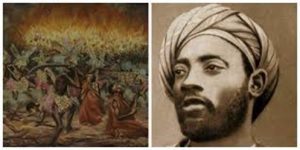
Catholic Martyrs (Canonized as Saints):
• St. Charles Lwanga: The leader of the Catholic converts at the time of his martyrdom, highly revered, and patron of African youth and Catholic action. He was burnt alive at Namugongo on June 3, 1886.
• St. Joseph Mukasa Balikuddembe: The first Catholic martyr, beheaded at Nakivubo on November 15, 1885. He was a senior advisor to the king.
• St. Andrew Kaggwa: Beheaded at Munyonyo on May 26, 1886. He was a chief and catechist.
• St. Kizito: The youngest of the martyrs, burnt alive at Namugongo on June 3, 1886, at around 14 years old.
• St. Denis Ssebuggwawo Wasswa: Beheaded at Munyonyo on May 26, 1886.
• St. Matiya Kalemba Mulumba: Died a brutal and lingering death from May 27-30, 1886, at Old Kampala, having his limbs cut off and flesh stripped from his back.
• St. Ponsiano Ngondwe: Beheaded and cut into pieces at Ttakajjunge on May 26, 1886.
• St. Athanasius Bazzekuketta: Cut into pieces at Nakivubo on May 27, 1886.
• St. Gonzaga Gonza: Beheaded at Lubowa on May 27, 1886.
• St. Noa Mawaggali: Speared and ravaged by wild dogs at Mityana on May 31, 1886.
• St. Luke Baanabakintu: Burnt alive at Namugongo on June 3, 1886.
• St. James Buuzabalyawo: Burnt alive at Namugongo on June 3, 1886.
• St. Gyavira Musoke: Burnt alive at Namugongo on June 3, 1886.
• St. Ambrosius Kibuuka: Burnt alive at Namugongo on June 3, 1886.
• St. Anatoli Kiriggwajjo: Burnt alive at Namugongo on June 3, 1886.
• St. Mukasa Kiriwawanvu: Burnt alive at Namugongo on June 3, 1886.
• St. Achileo Kiwanuka: Burnt alive at Namugongo on June 3, 1886.
• St. Mugagga Lubowa: Burnt alive at Namugongo on June 3, 1886.
• St. Bruno Sserunkuuma: Burnt alive at Namugongo on June 3, 1886.
• St. Mbaga Tuzinde: Bludgeoned by his own father and burnt at Namugongo on June 3, 1886.
• St. Jean-Marie Muzeeyi: Beheaded at Mengo on January 27, 1887 (the last of the 22 Catholic martyrs).
Anglican Martyrs:
• Makko Kakumba: Dismembered and burnt at Busega on January 31, 1885 (one of the first martyrs).
• Yusuf Rugarama: Dismembered and burnt at Busega on January 31, 1885.
• Nuwa Sserwanga: Dismembered and burnt at Busega on January 31, 1885.
• Musa Mukasa: Speared at Munyonyo on May 25, 1886.
• Eriya Mbwa: Castrated at Mengo on May 27, 1886.
• Muddu-Aguma: Castrated at Mengo on May 27, 1886.
• Daudi Muwanga: Castrated.
• Kayizzi Kibuuka: Castrated at Mityana on May 31, 1886.
• Mayanja Kitoogo: Castrated at Mityana on May 31, 1886.
• Muwanga (another one): Castrated at Mityana on May 31, 1886.
• Alexander Kadoko: Burnt at Namugongo on June 3, 1886.
• Kifamunnyanja: Burnt at Namugongo on June 3, 1886.
• Giyaza Kiwanuka: Burnt at Namugongo on June 3, 1886.
• Frederick Kizza: Burnt at Namugongo on June 3, 1886.
• Kwabafu: Burnt at Namugongo on June 3, 1886.
• Mukasa Lwakisiga: Burnt at Namugongo on June 3, 1886.
• Lwanga (Anglican, different from St. Charles Lwanga): Burnt at Namugongo on June 3, 1886.
• Mubi-azaalwa: Burnt at Namugongo on June 3, 1886.
• Robert Munyagabyangu: Burnt at Namugongo on June 3, 1886.
• Muwanga Njigija: Burnt at Namugongo on June 3, 1886.
• Daniel Nakabandwa: Burnt at Namugongo on June 3, 1886.
• Nuwa Walukagga: Burnt at Namugongo on June 3, 1886.
• Wasswa (Anglican, different from Denis Ssebuggwawo Wasswa): Burnt at Namugongo on June 3, 1886.
There are also two additional Catholic martyrs, Daudi Okelo and Jildo Irwa, who were catechists martyred in Paimol, Gulu, in 1918, and were beatified by Pope John Paul II in 2002. While not part of the group killed by Kabaka Mwanga II, they are also recognized as Uganda Martyrs.