
During the 98th meeting of the Council, a significant decision was reached: the establishment of the Institute of Tropical Forestry and Conservation (ITFC) Advisory Board This initiative aimed to revamp the ITFC’s activities and provide guidance on critical issues such as policy formulation, research direction, and fundraising.
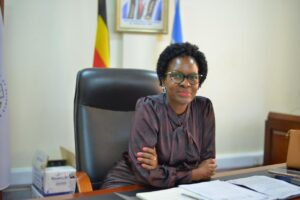
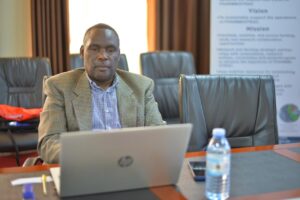
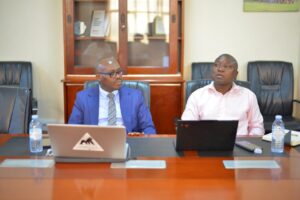
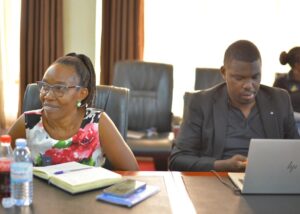
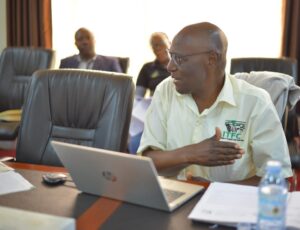
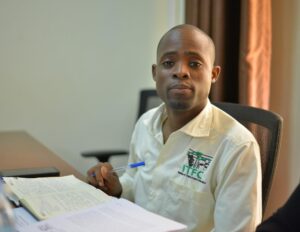
On February 12, 2025, a pivotal meeting convened at the Kihumuro Main Campus, chaired by Vice Chancellor Prof. Pauline-Byakika-Kibwika. She was accompanied by key figures:
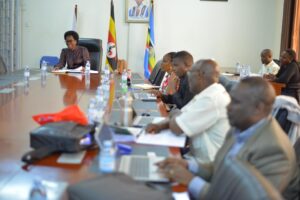
– Dr. Dennis Babaasa, Director of ITFC Bwindi, Secretary to the meeting
– Dr. Eunice Olet Alele, Dean of the Faculty of Science, MUST
– Dr. Simon Nampindo, Country Director, WCS
– Mr. Henry Mutabazi, Country Representative, IGCP
– Mr. Wilberforce Tumwesigye, Trust Administrator
– Mr. Timothy Mugumya Ndiana (Esq), Legal Advisor
Role of the Advisory Board
Mr. Mugumya Ndiana emphasized that the Board would function strictly as an Advisory Board, distinguishing it from a Governance Board. Advisory Boards are designed to offer:
– Strategic Guidance
– Policy Recommendations
– Expert Oversight
However, they lack direct decision-making authority, which is the prerogative of Governance Boards. This model allows the ITFC Advisory Board to align research priorities with conservation policies, strengthen partnerships, and advise on financial sustainability while ensuring compliance with institutional and national regulations.
Reporting Structure
The Legal Advisor clarified that the ITFC management committee would report to the Advisory Board through annual and periodic updates on research, financial, and institutional challenges. The Board’s role is to review these reports and recommend strategic actions to both MUST and the Uganda Wildlife Authority (UWA) for decision-making.
Given ITFC’s current legal and financial structure under MUST, this Advisory Board model was deemed the most effective, providing flexibility and expert guidance without the complexities associated with formal governance structures. Strengthening the Board’s advisory role is expected to enhance ITFC’s impact on conservation research and policy development.
Discussion Highlights
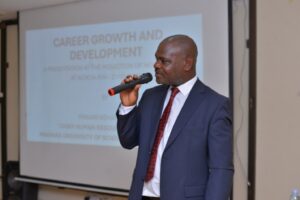
The meeting included a presentation by Dr. Dennis Babaasa, who shared the history of the institute, its current situation, achievements, and a SWOT analysis. This discussion prompted the Vice Chancellor to urge Dr. Babaasa to create greater visibility for ITFC, recognizing its potential for generating more income than it currently does.
The matters discussed during the meeting were agreed upon to be shared with management for final decisions. The establishment of the ITFC Advisory Board marks a significant step towards enhancing the institute’s role in tropical forestry and conservation, ensuring that it remains a vital player in the field.