Mbarara University of Science and Technology (MUST) proudly hosted the launch of the Alzheimer’s and Dementia Research Training Program (ADRET) and the dissemination of research findings for the Mbarara University Research Capacity Initiative (MURCI) in a research symposium held on December 9, 2024, at the Las Vegas Garden Hotel in Mbarara.
The ADRET program is a new five-year training program funded by the Alzheimer’s Association and the Global Brain Health Institute (GBHI) and will train 9 fellows at MUST on dementia. The MURCI program now in its fifth year is a United States- National Institutes of Health funded program and has supported 12 fellows, to lead them on a path to research independence. The event was organized in collaboration with Massachusetts General Hospital (MGH) and the University of Texas Health San Antonio (UTHSA), who are collaborators on the two research capacity building grants.
Key Highlights
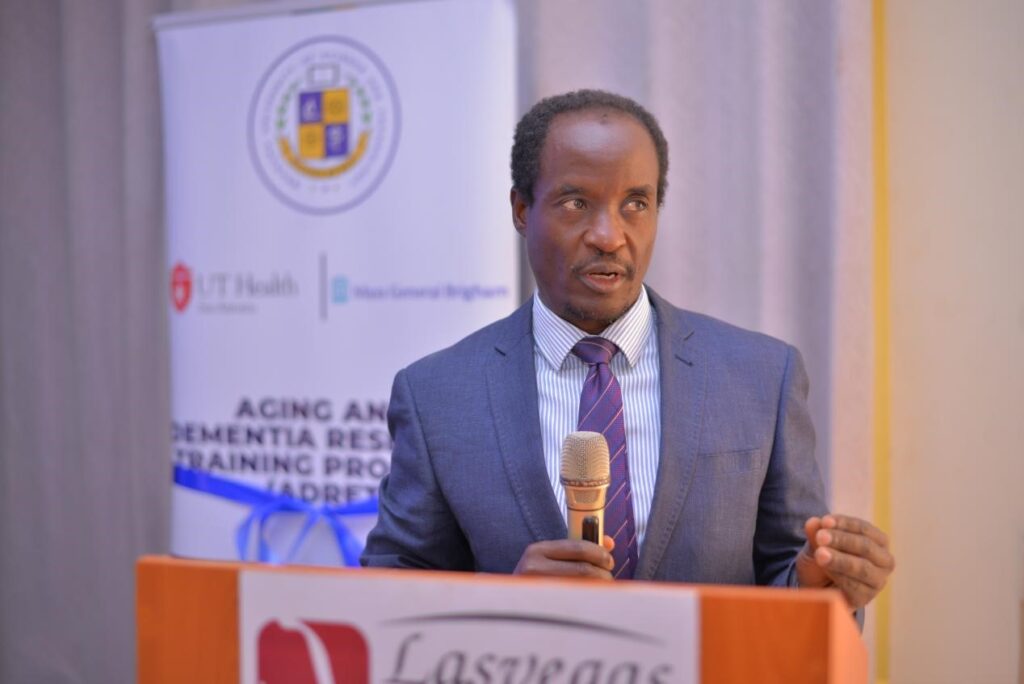
In his opening remarks, Dr. Francis Bajunirwe, a senior lecturer at the Faculty of Medicine, Department of Community Health and one of the Principal Investigators (MPI Prof Samuel Maling) on the training grant, highlighted MUST’s significant achievement under the MURCI program. He informed the audience that 3 of the 12 MURCI fellows had recently been awarded the prestigious NIH K43 Emerging Leader award, bringing the cumulative number of K43 awards at MUST to eight, ranking only behind University of Cape Town in Africa. He expressed pride in MUST’s growing reputation as a leading research institution on the continent. For the ADRET program, he mentioned that it aims to address the urgent need for dementia research expertise, particularly in low- and middle-income countries like Uganda, where dementia cases are projected to rise faster than any other continent.
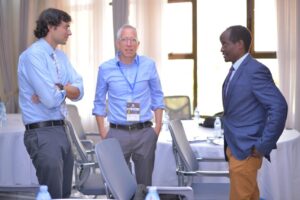
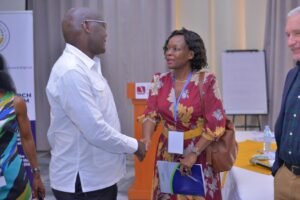
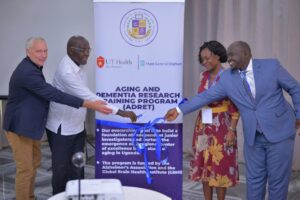 L-R Dr. Victor Valcour Prof. Nixon Kamukama Dr. Noeline Nakasujja Associate Professor of Psychiatry MUK and Raymond Atwine HoD Pathology and a mentee
Prof. Nickson Kamukama, Deputy Vice Chancellor Academic Affairs at MUST, emphasized the importance of community engagement in research, stating, “It’s not just about publications; it’s also about how those publications impact society.” He strongly encouraged attendees to embrace the training opportunities available and use the skills to change their communities.
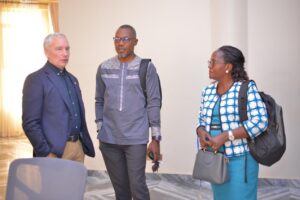
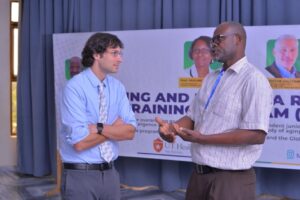
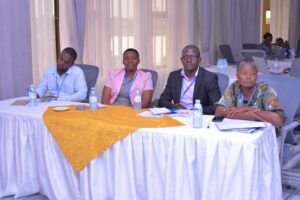
Some of the mentors

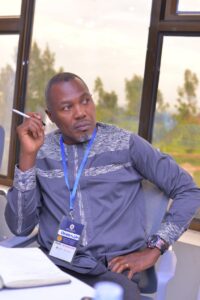
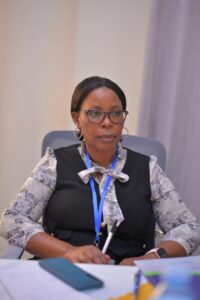
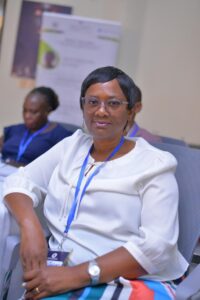
The program featured keynote addresses from leading global researchers:
- Dr. Victor Valcour: A Professor of Medicine at University of California San Francisco and a Director at GBHI is a renowned expert in cognitive disorders and brain injury, Dr. Valcour discussed the challenges of dementia research and capacity building in East Africa.
- Dr. Mark Siedner: An infectious disease clinician and researcher at MGH/Harvard, Dr. Siedner shared insights on aging research and the need to address the growing dementia burden.
- Dr. Jeremy Tanner: An Assistant Professor of Neurology at University of Texas, Dr. Tanner discussed the importance of early diagnosis and intervention for Alzheimer’s disease.
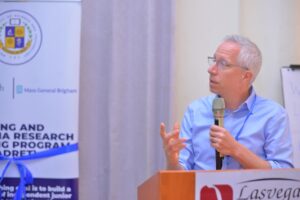
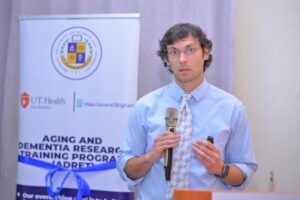
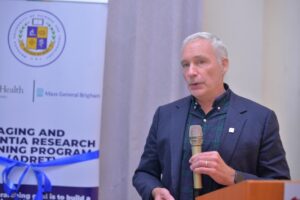
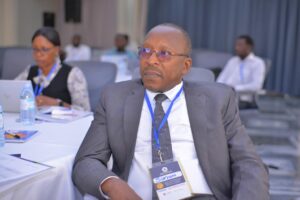
Engaging Research Presentations: The symposium featured presentations across four sessions: clustered in cohorts of ADRET
The symposium showcased a series of impactful research presentations from ADRET and MURCI fellows, covering topics such as dementia screening, neuropathological markers, metabolic syndrome, maternal health, and more.
Closing Remarks
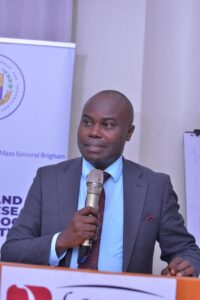 Assoc. Prof. Joseph Ngonzi, Dean of the Faculty of Medicine delivered the closing remarks, emphasizing that it is a significant milestone for the university to witness students transitioning into independent researchers. He expressed pride in the achievements of the ADRET and MURCI fellows and thanked everyone for attending, acknowledging the crucial role of collaboration in advancing research.
He reaffirmed the MUST’s commitment to supporting future research initiatives and the continued growth of researchers dedicated to improving healthcare in Uganda and beyond.
A Call to Action
As we celebrate these groundbreaking achievements, it’s crucial to remember the importance of early detection and intervention for Alzheimer’s disease and other forms of dementia. Early diagnosis can significantly improve the quality of life for individuals and their families.
Take hometips to help you and your loved ones:
- Know the signs: Be aware of early signs like memory loss, confusion, difficulty with language, and mood changes.
- Seek medical advice: Consult a healthcare professional for a proper diagnosis.
- Stay active: Engage in physical activity, mental stimulation, and a healthy diet.
- Connect with others: Social interaction can positively impact brain health.
- Support research: Contribute to organizations dedicated to Alzheimer’s research.
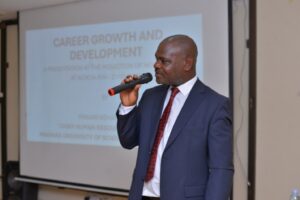
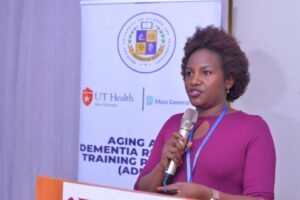 Dr. Julian Adong a mentee presenting a study about An M Health intervention to address the burden of anxiety and depression among prenatally-infected adolescents and young adults with HIV in Uganda
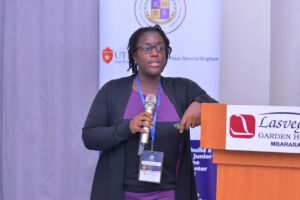 Dr. Prossy Babingambah a mentee from the Radiology Department giving a presentation about Epidemiology of reduced muscle mass and myosteatosis in rural Uganda.
 Dr. Joel Bazira Associate Professor of Microbiology and a mentor
By taking proactive steps and supporting research efforts, we can work together to combat Alzheimer’s disease and improve the lives of those affected.
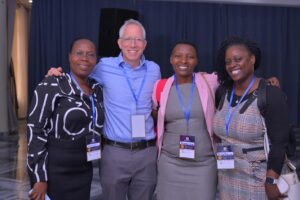
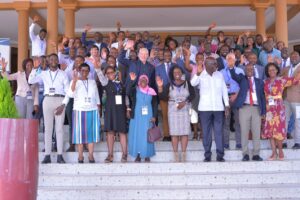
Networking: Kodak moments.