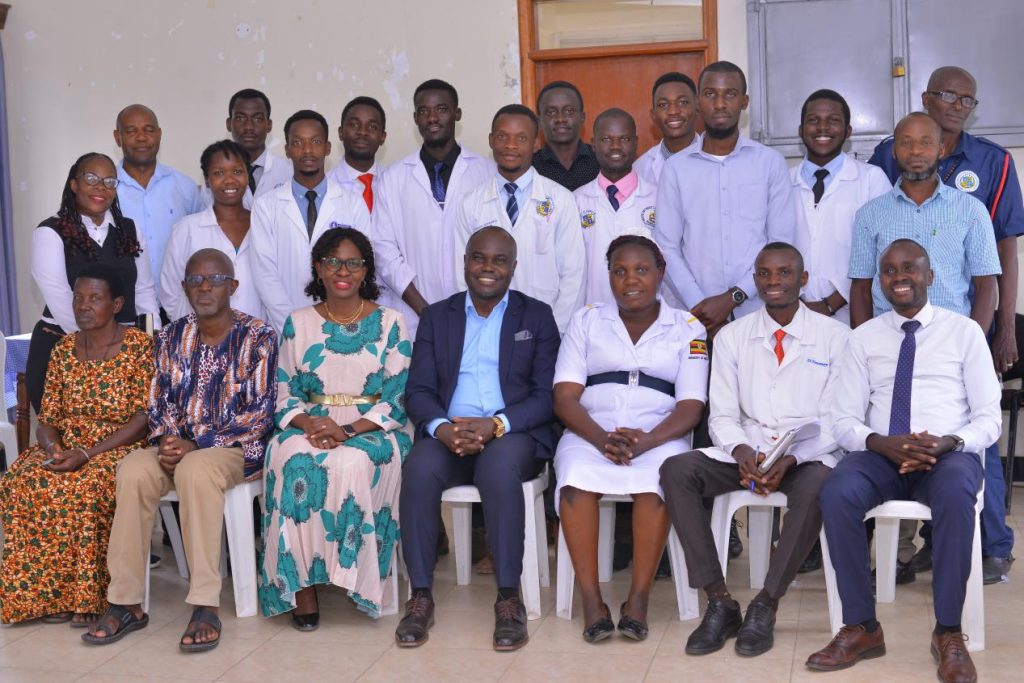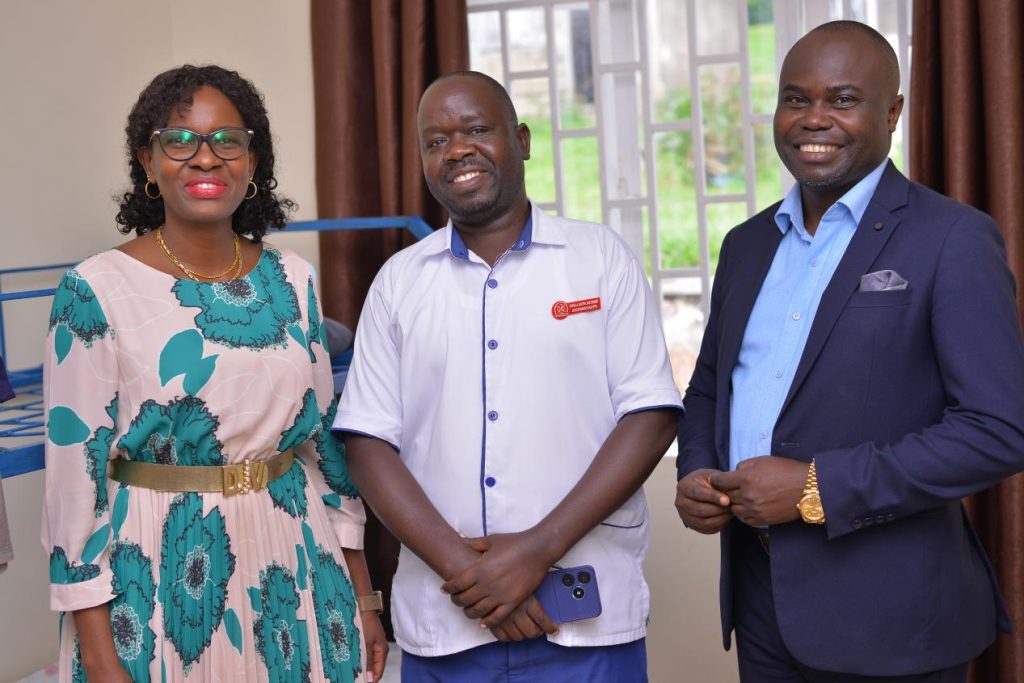
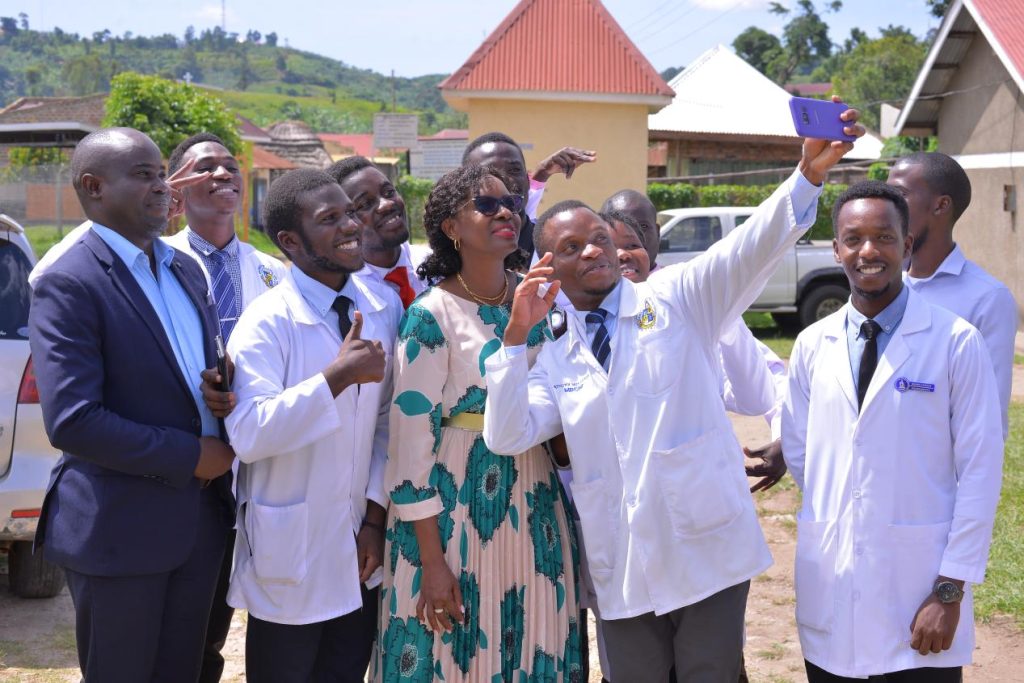
Mbarara University of Science and Technology (MUST) Vice Chancellor, Prof. Pauline Byakika-Kibwika recently undertook a significant visit to medical students undertaking their community placement at Rugazi Health Centre IV in Rubirizi District. The visit underscored the university’s commitment to community-based education and provided a vital platform for interaction between university leadership, students, and health centre management.
A Warm Welcome and A Rich History
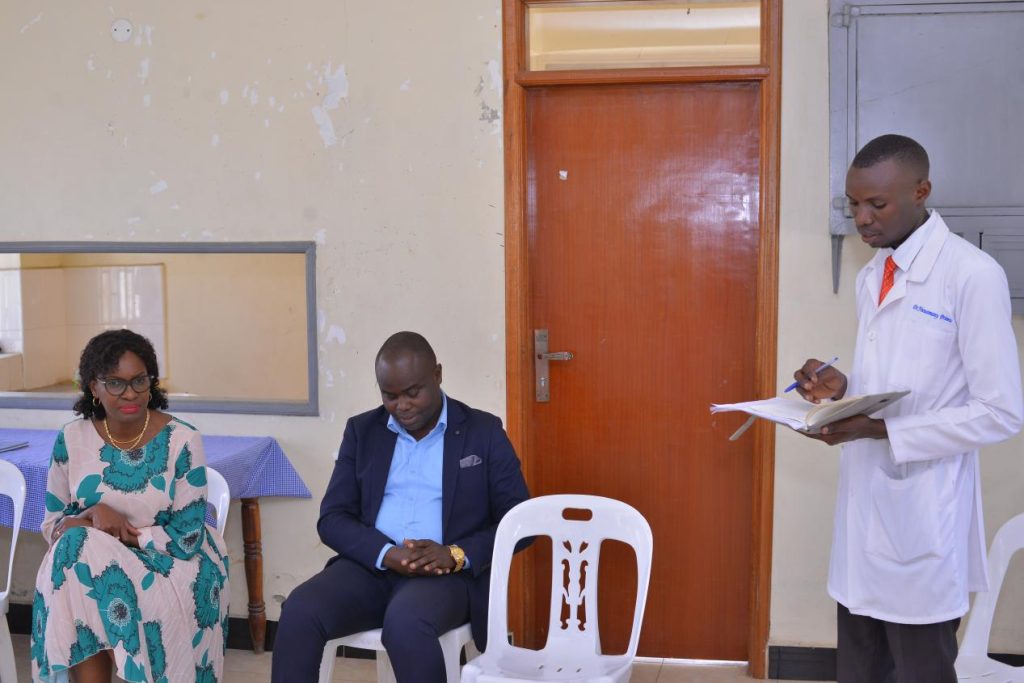
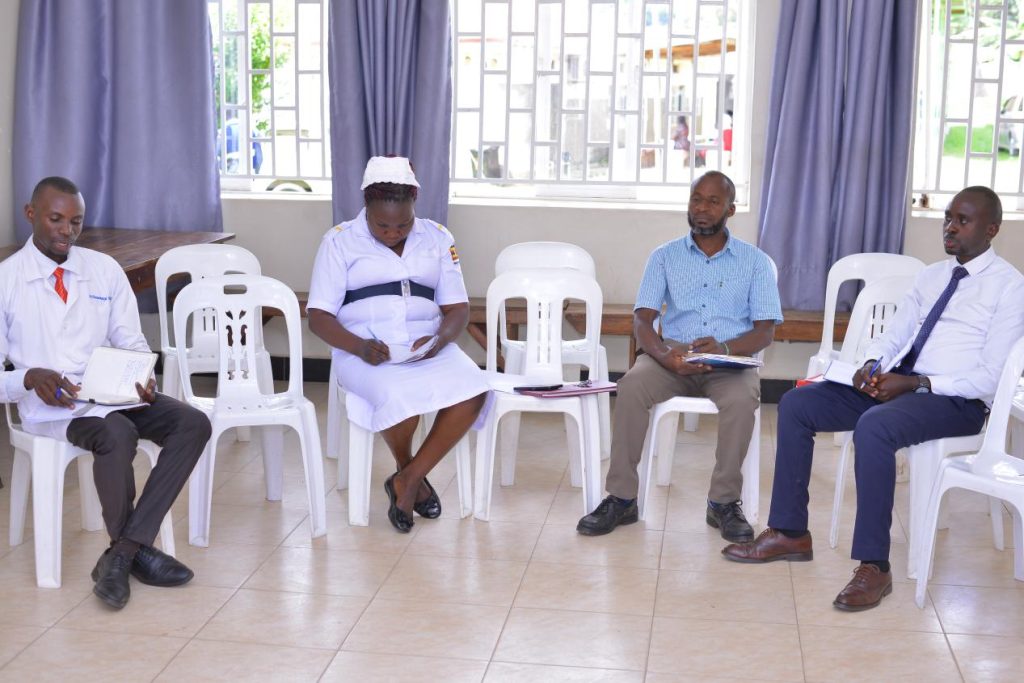
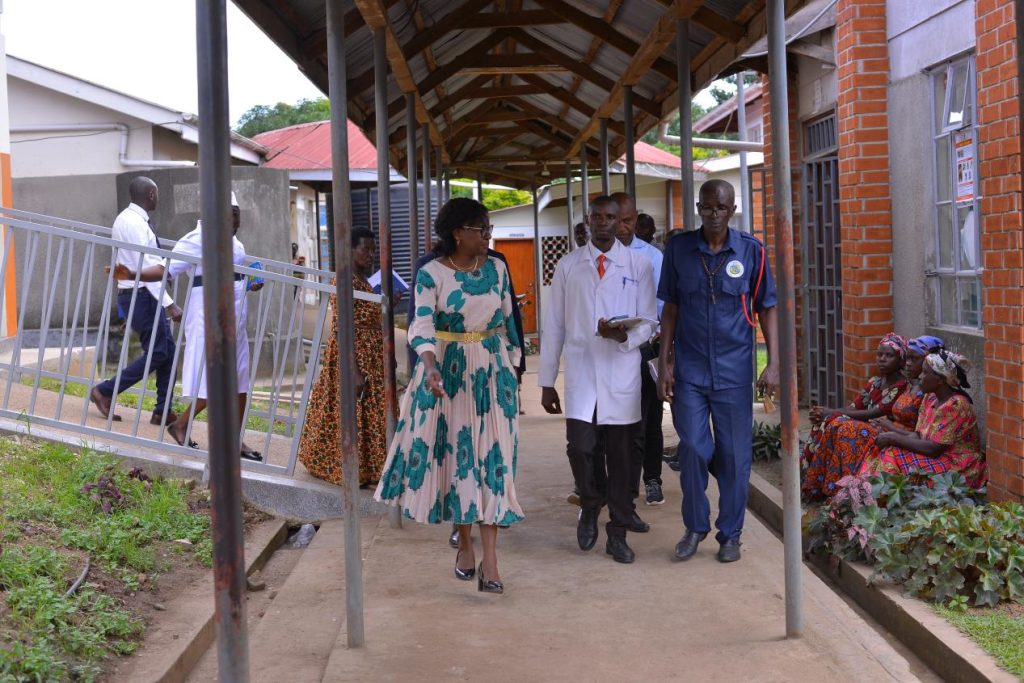
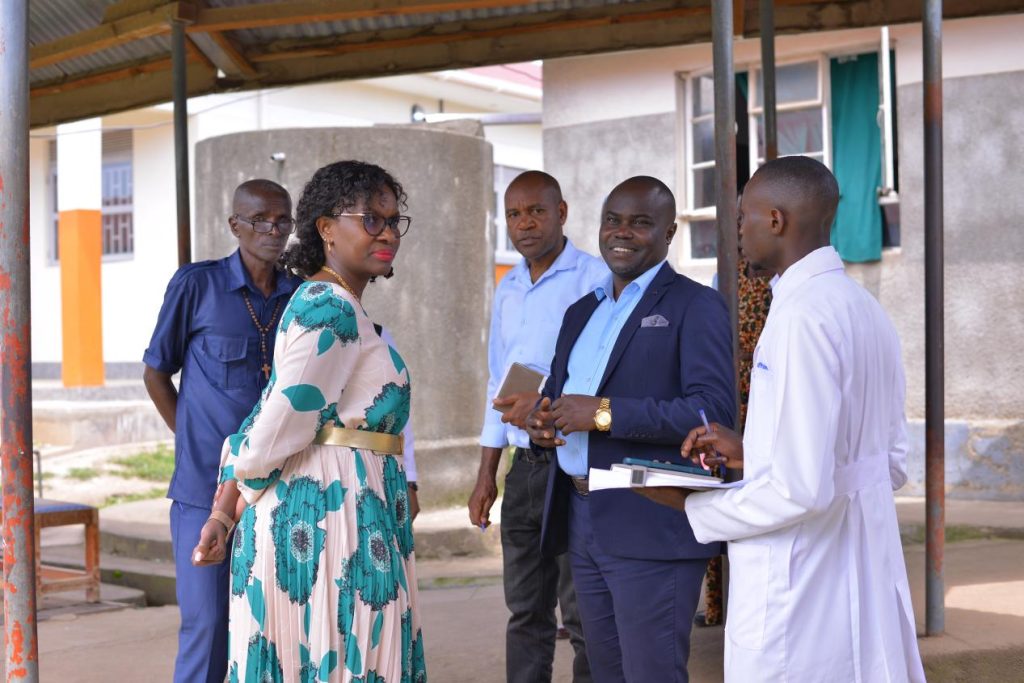
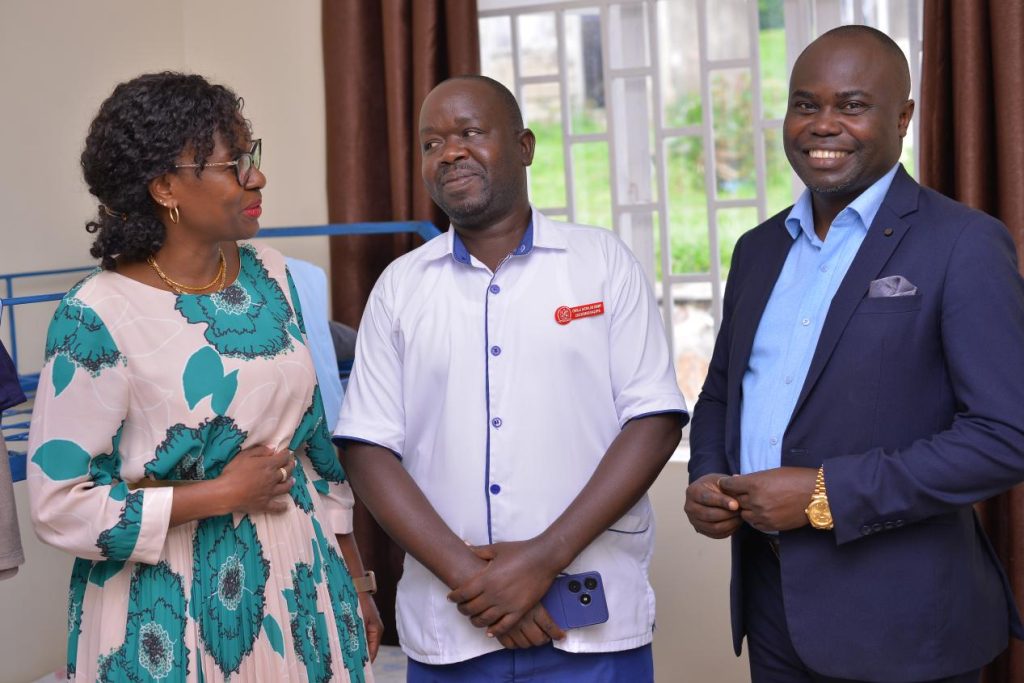
Upon her arrival, the Vice Chancellor was warmly received by a distinguished team, including the Dean of the Faculty of Medicine, Prof. Joseph Ngonzi, the Community Based Education Research Service (COBERS) coordinator, Dr. Gad Ruzaza, the centre attache, Mr. Denis Tumuramye, and the enthusiastic students. The health centre’s management, led by Dr. Prima Nuwamanya, joined the MUST team in receiving Prof. Byakika
Dr. Prima Nuwamanya competently moderated the event, commencing with a historical overview of Rugazi Health Centre IV. He highlighted its establishment in 1932, followed by MUST’s involvement in 1990. The facility’s administrative oversight transitioned from Bushenyi District in 2000 to Rubirizi District in 2010. Dr. Nuwamanya noted that the centre serves approximately 26,000 people across seven parishes, outlining the comprehensive services provided and the challenges encountered.
MUST’s Impact and Areas for Further Support
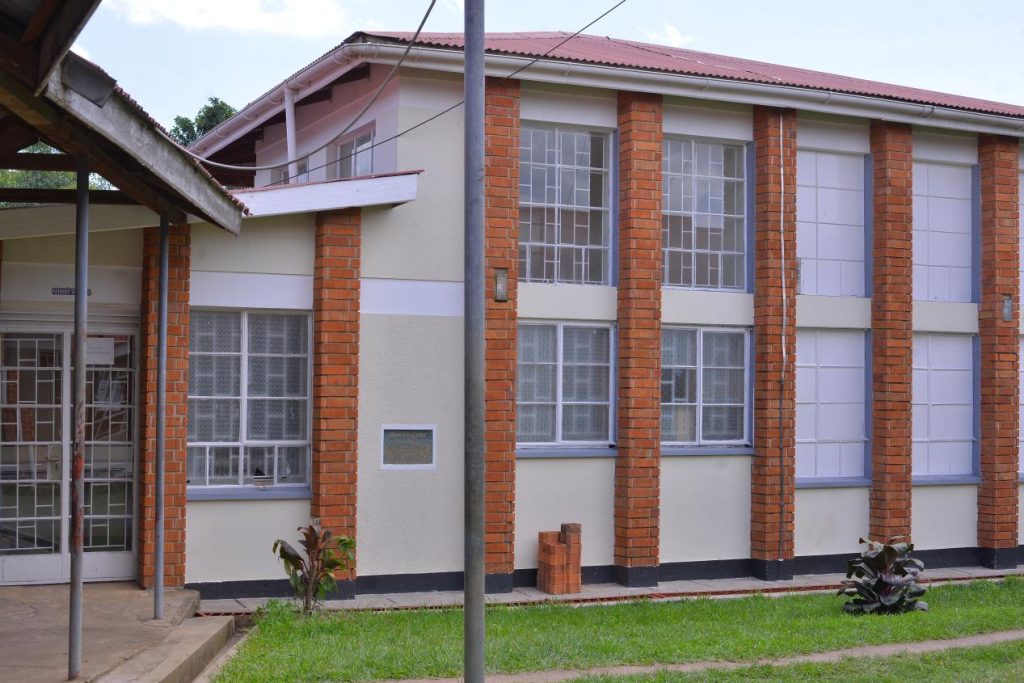
Dr. Nuwamanya extended heartfelt gratitude to MUST for its unwavering support, specifically acknowledging the construction of a theatre, a 27-bed capacity ward, a 40-bed student hostel, and two self-contained units for supervisors.
Despite these significant contributions, Dr. Nuwamanya presented critical gaps. He highlighted the lack of solar backup for power, the high cost of maintaining the generator, the absence of adequate staff accommodation (with existing structures being as old as the hospital itself), and the need for compound maintenance. He also pointed out that Rugazi supports lower health centres despite having only 64 staff members, including support staff, contrasting this with the new structural requirement for 135 staff to better serve the community. He appealed to the Vice Chancellor for support in these areas, aligning with the university’s capabilities.
Insights and Student-Centric Discussions
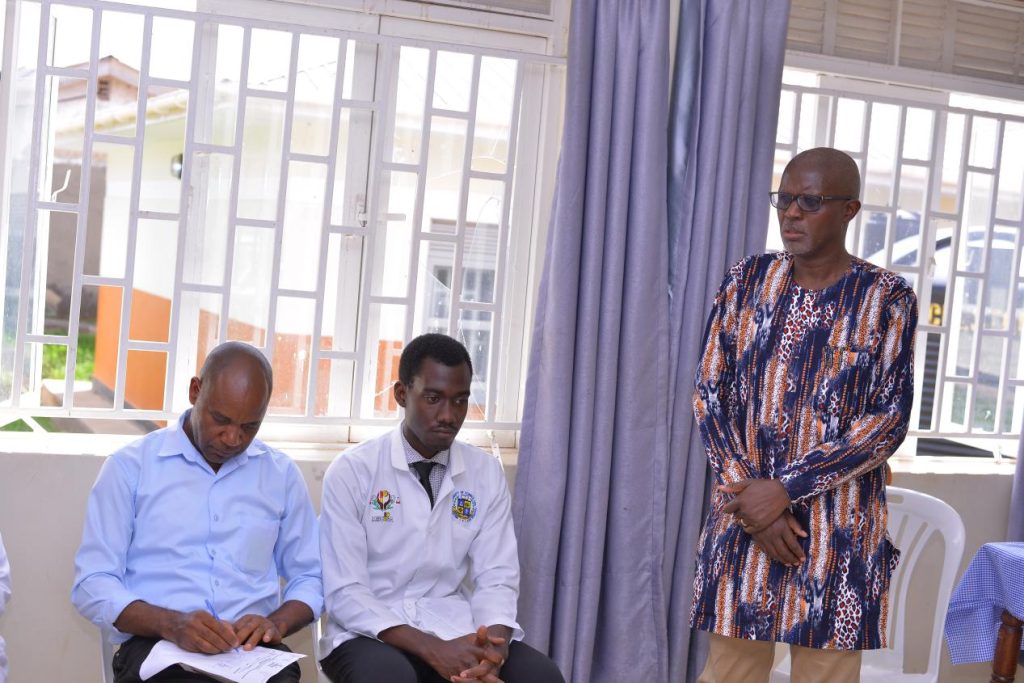
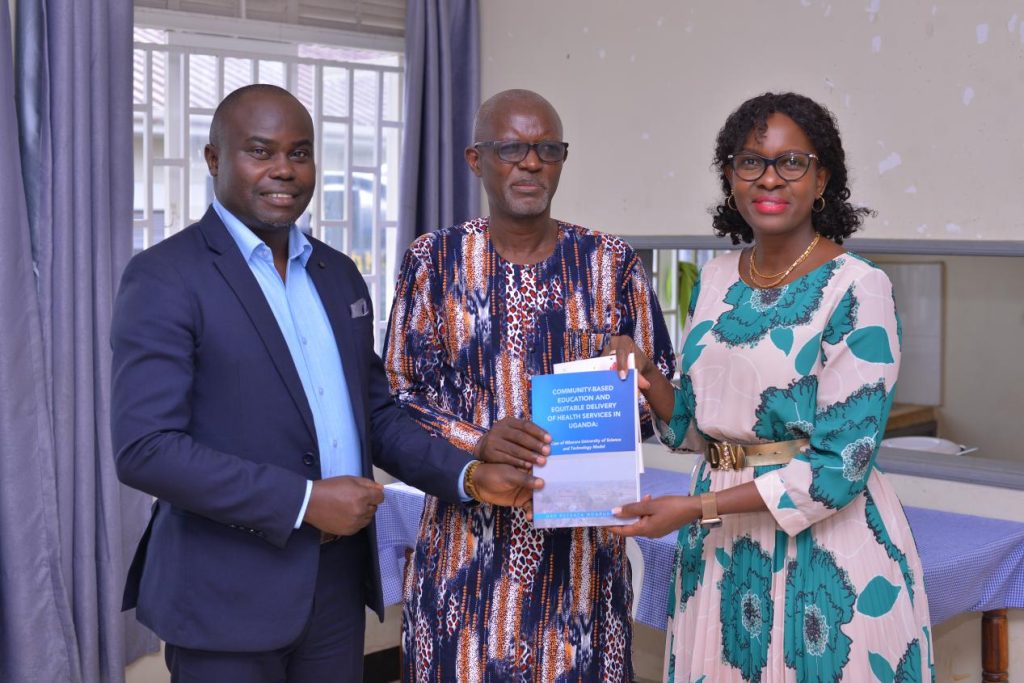
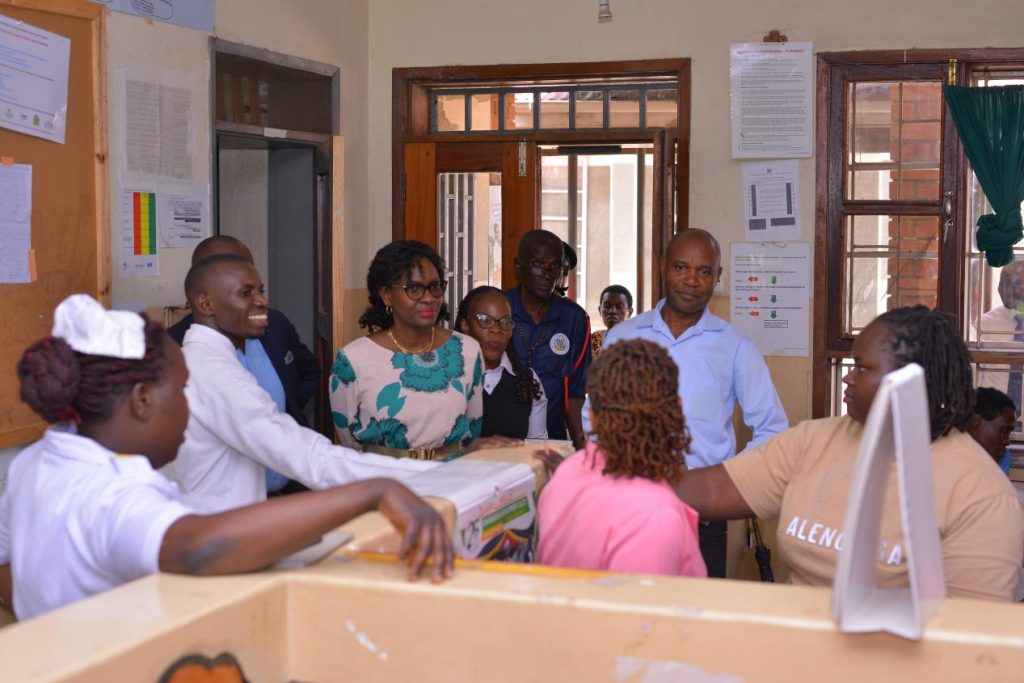
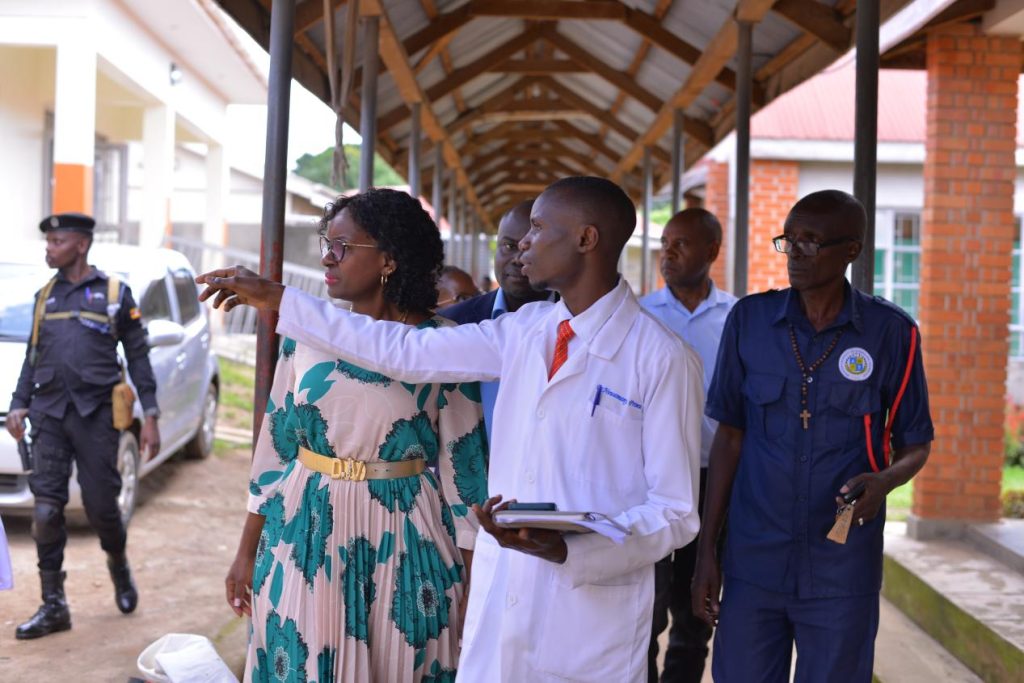
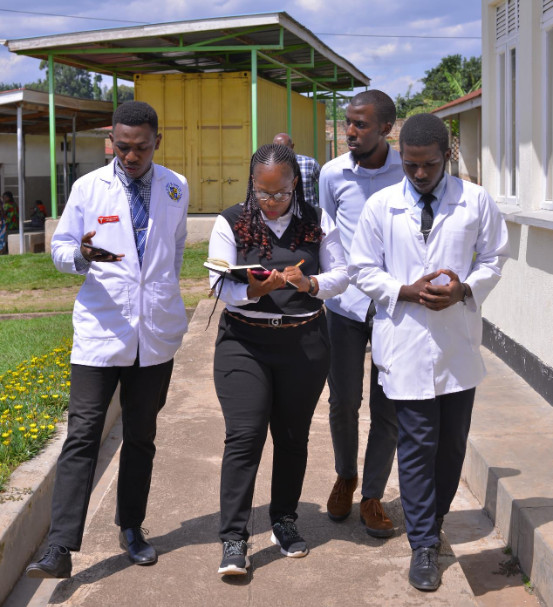
Following a guided tour of the facility by the centre management and MUST staff, a crucial discussion ensued. Dr. Gad Ruzaza presented three key aspects for future engagement: collaboration with the centre, innovation within the centre, and optimizing research, emphasizing the use of the surrounding environment as a rich resource for various research areas. He concluded by imparting a powerful message to the students: to be smart and wise, understanding what is best for their careers. “Ideas like strikes do not help you anywhere in life but rather hold you back. Here in the community, you will appreciate that these people are happy and contented with what they have. You are their hope; they hold you in high regard, so do not let them down. We can also talk about our challenges amicably rather than opting for options that will affect those you serve.”
Areas to renovate
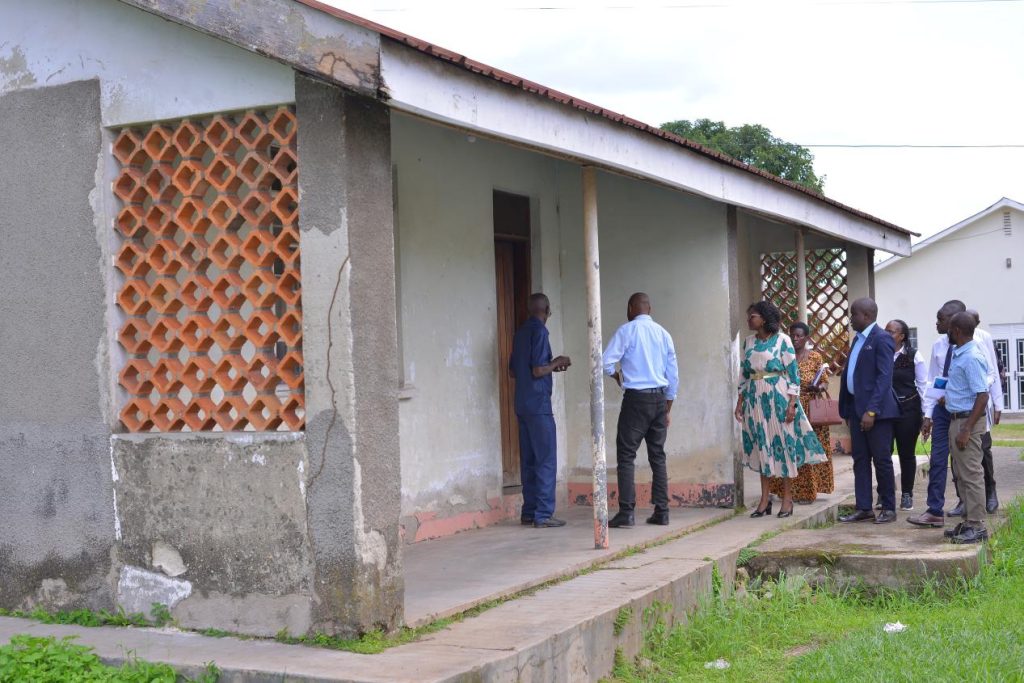
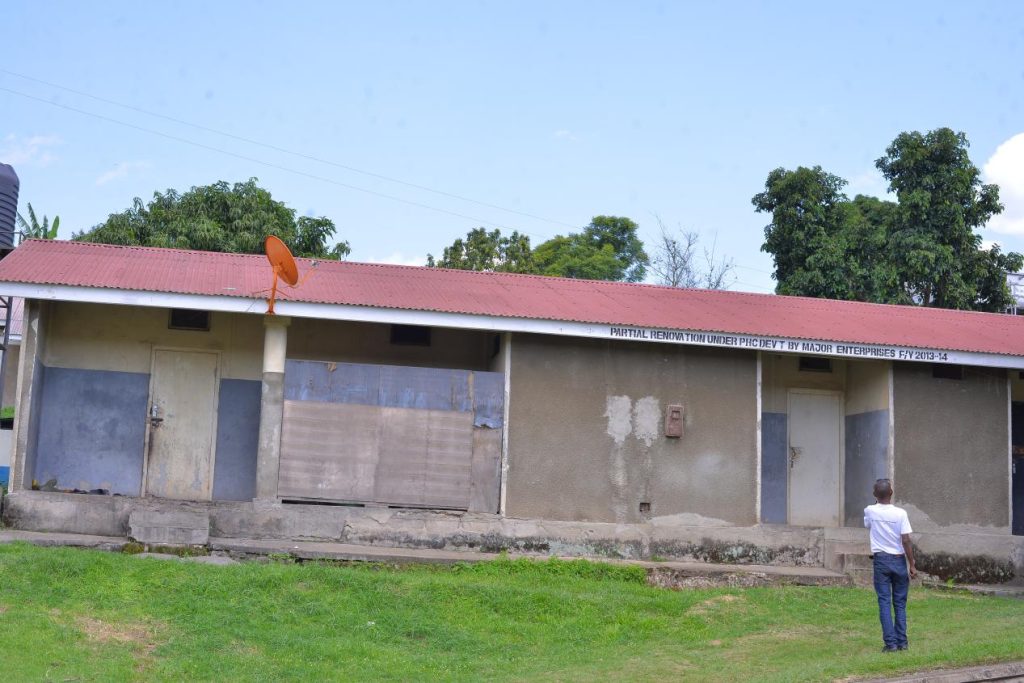
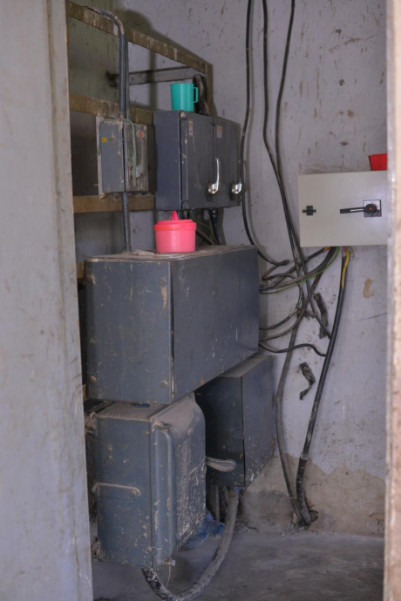
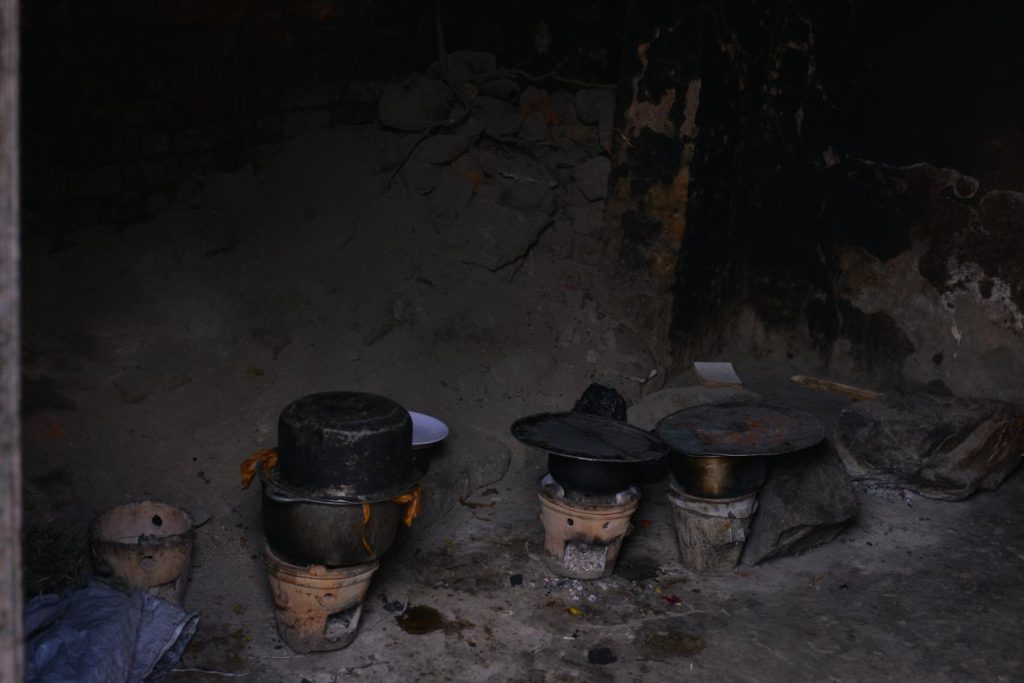
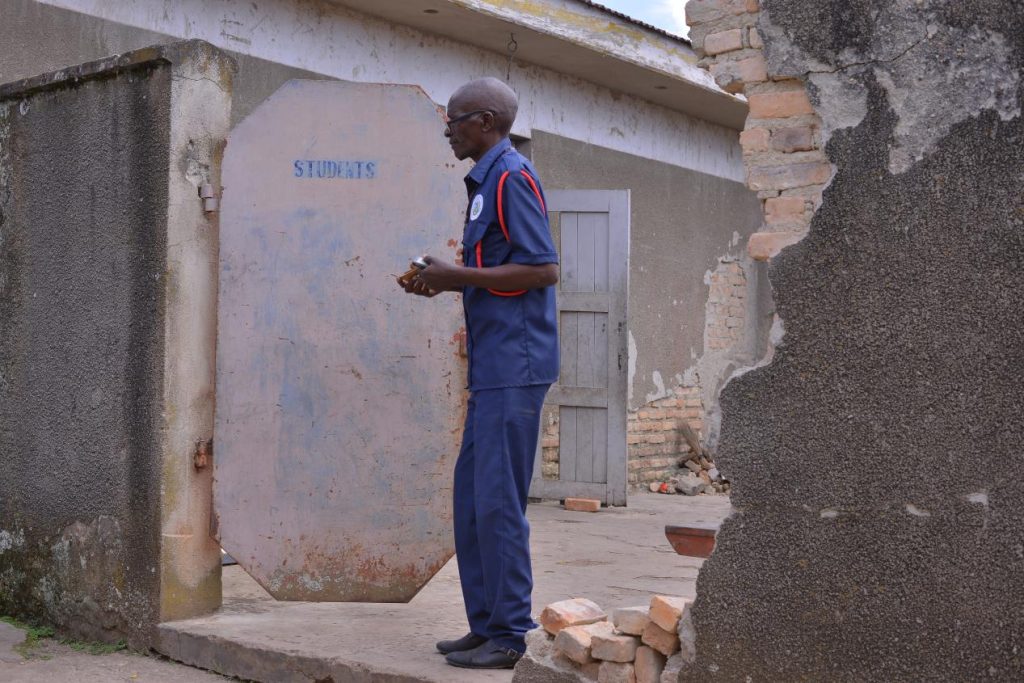
Mr. Brian Abebasa, the environmental officer, also shared his perspectives, focusing on the need for infrastructural renovation, cleanliness, and alternative water sources.
Student Voice and Dean’s Encouragement
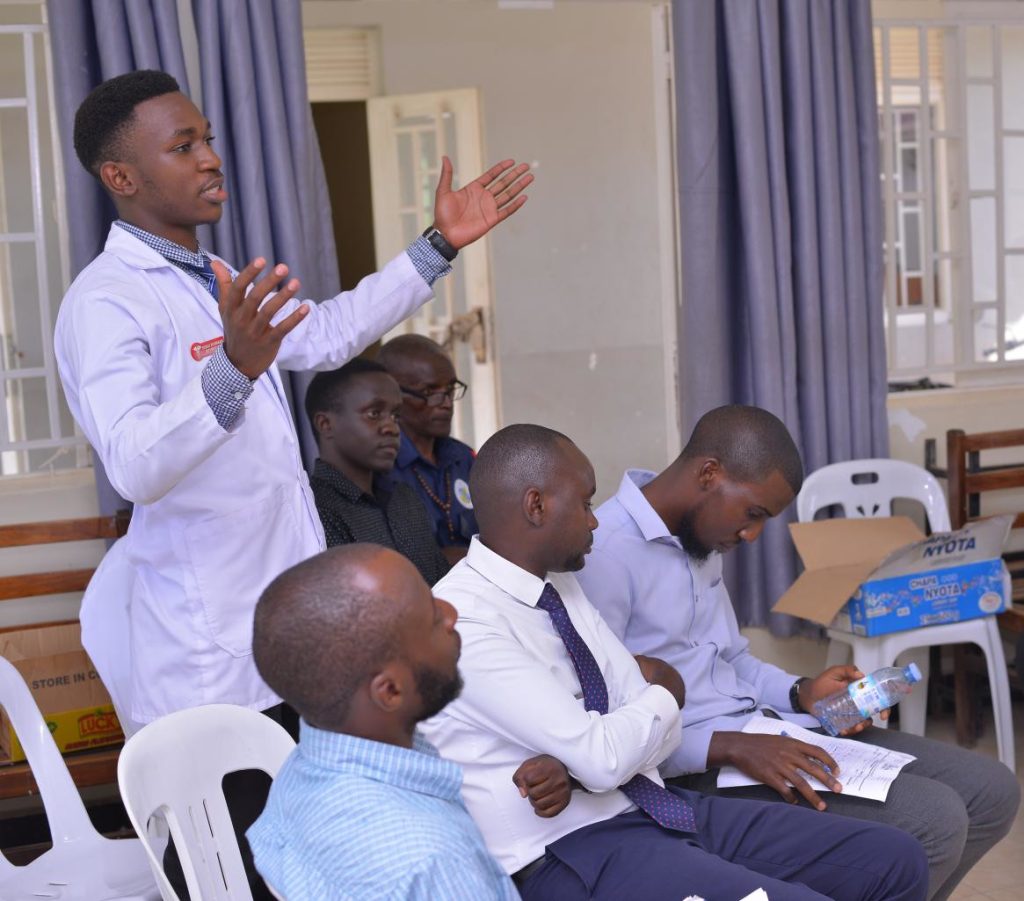
Michael Ndomugabe, a Medicine Four student, represented his peers. He expressed his pleasure and satisfaction with the services at Rugazi Health Centre IV, noting they were treated well in all aspects. However, he raised concerns about conditions in other facilities, such as Kamukunguzi, which lacked power, proper toilets, and beds. While acknowledging these as learning experiences, he described them as challenging “drastic changes” for some students and requested the Vice Chancellor to ensure university management scrutinizes such places before future placements.
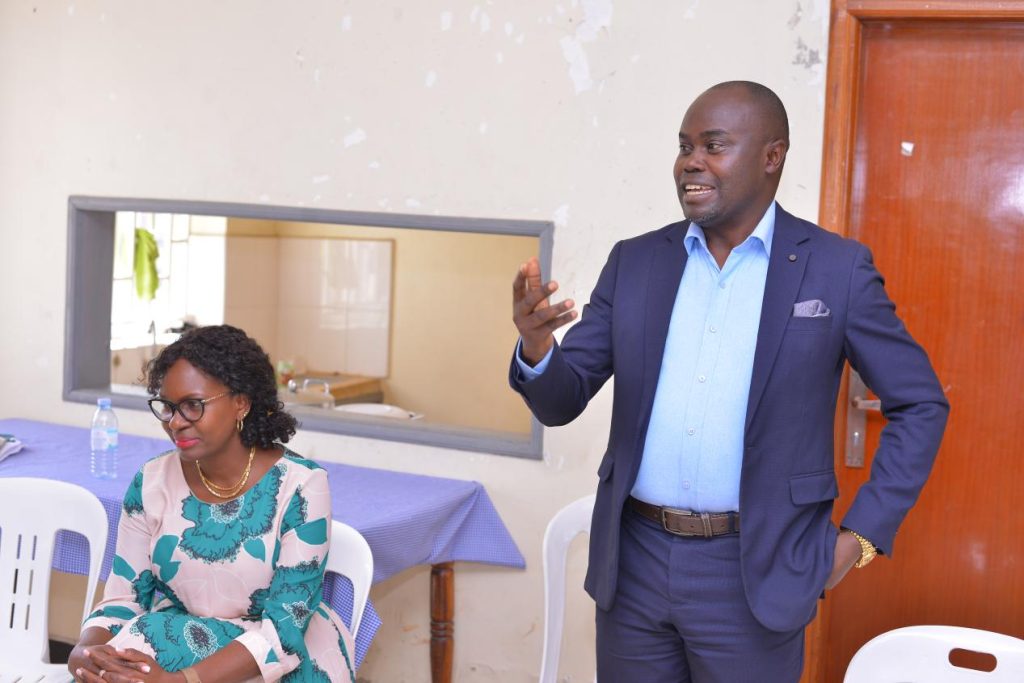
Prof. Joseph Ngonzi, Dean of the Faculty of Medicine, followed, sharing a personal anecdote about learning to ride a bicycle during his own community placement due to the necessity of movement beyond relying on college transport. He also recounted a student requesting pizza as motivation during his supervision in Bundibugyo, promising the entire class pizza upon their return to Mbarara. The moral of his story was clear: the university is committed to ensuring students gain the best from community placement. He addressed Michael’s concerns directly, assuring that legitimate challenges would be looked into, but gently clarified that some aspects, like sleeping on the floor, could be part of the immersive community experience, though sanitation remains paramount. He applauded Michael’s leadership in raising these issues.
Prof. Ngonzi further lauded the Vice Chancellor for successfully lobbying for an extension of community placement from four to eight weeks for the next cohort, emphasizing that this longer period would offer a more detailed and impactful experience. He urged students to appreciate each other’s talents, skills, and professions, highlighting the power of teamwork. “In my times, we had a nurse for our team leader; I did not appreciate that at the start, but after placement, I was speechless about her expertise as a leader and as a nurse. We are friends till to date.” He encouraged students to network, connect, and build relationships, optimizing these opportunities. He concluded by thanking the Rugazi Health Centre management for their consistent hospitality and the MUST staff for their commitment to community placement.
The Vice Chancellor’s Challenge and Vision

The Vice Chancellor, Prof Pauline Byakika Kibwika, then addressed the gathering, sharing her own community placement experience in Mpigi. “It was a learning experience. At least Joseph learnt how to ride a bicycle; I totally failed but learnt a lot from the community people. Dear students, be on ground; you will learn a lot.”
She began by appreciating the hosts and the MUST team for their commitment to serving students. To the students, she issued a profound challenge: “Dear students, I challenge you to touch as many lives as you can. We can do research in the laboratories, publish, but what has someone in the community benefited from you? Take a scenario of a mother who has come in with a sick child in a sickle cell crisis. What will you tell her differently? What will you tell her to give her hope? How will she appreciate to live with this change because you share something that gives her hope? Go an extra mile, go read about these issues, go back to the patients, have information. As you do this, you are not rushing to finish your placement but rather impacting lives as well as learning.” She urged students to enjoy every step of their lives, drawing an analogy with enjoying local trees, which they might miss when sent to universities abroad where it snows.
She expressed gratitude to the Faculty of Medicine, empowering its leaders with the vision that they have great opportunities to make a difference in people’s lives. She challenged them to extend community placements to other regions, such as Northern, Central, and Eastern Uganda, for a more diverse experience. Prof. Byakika assured the gathering that she would present the identified challenges to the University Management and Council for addressing. She concluded by thanking the hosts for their warm welcome and promised a return visit.
The visit served as a powerful reminder of the importance of practical community engagement in medical education, reinforcing the bonds between Mbarara University of Science and Technology, its students, and the communities they serve.