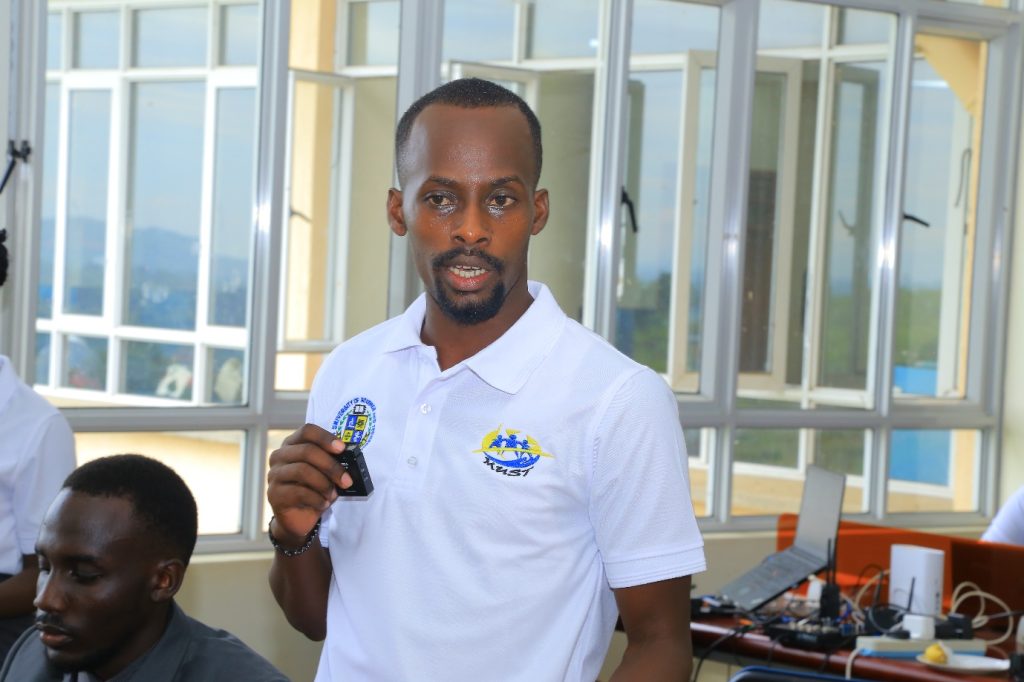
Mbarara University of Science and Technology (MUST) is at the forefront of disability inclusion among institutions of higher learning in Southwestern Uganda. On March 27, 2026, students with impairments from across Western Uganda, alongside mentors and policymakers, called for stronger inclusive systems, policy reforms, and a shift in societal attitudes during an engagement seminar held at MUST.
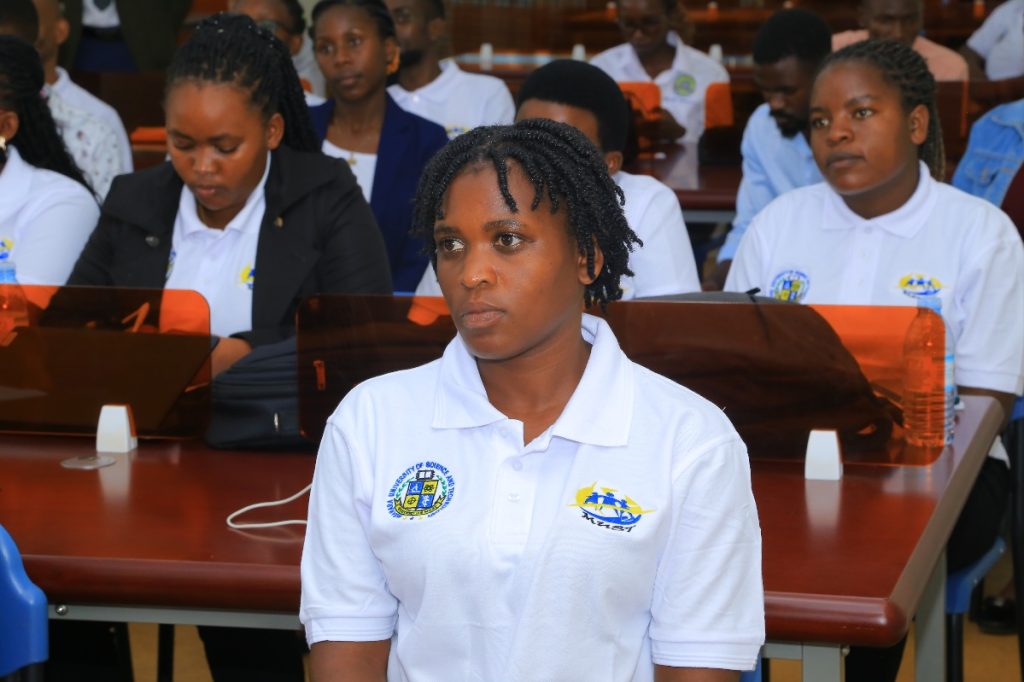
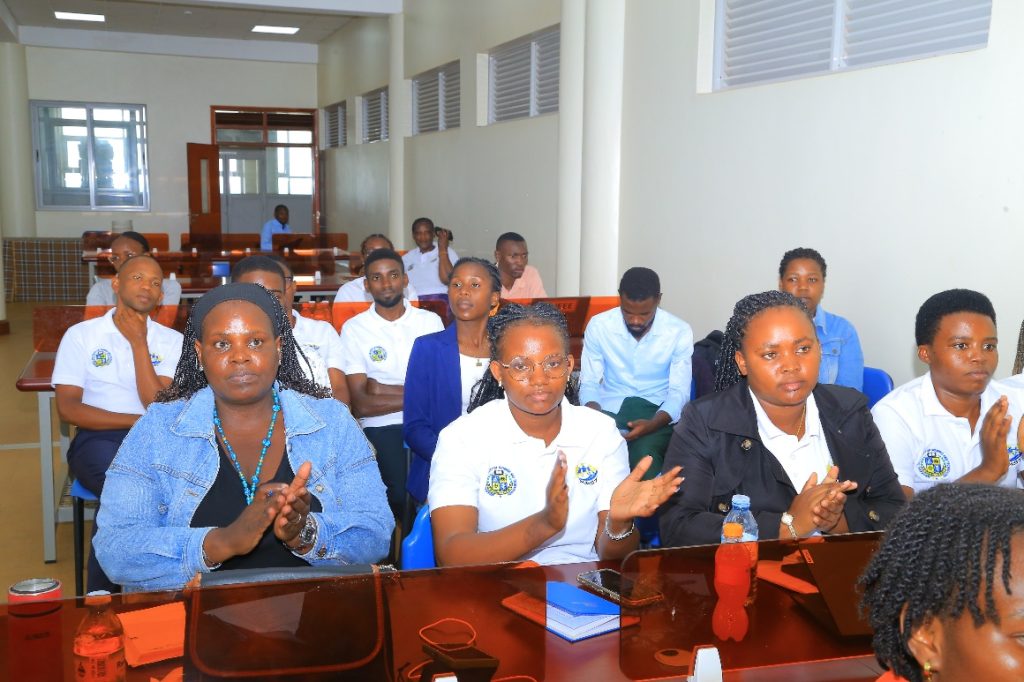
Under the theme “Disability Inclusion: A Collective Responsibility for All,” the seminar brought together students, mental health practitioners, and stakeholders to reflect on lived experiences, address stigma, and explore practical solutions for wellbeing in higher education.
Bridging the Gap Between Policy and Reality: A central question raised during the discussions was the implementation of existing frameworks. “We have the policies in our institutions, but the question is: are they implemented?” one participant asked. “UNEB used to give us extra time during examinations; do we still have this in higher institutions of learning?”
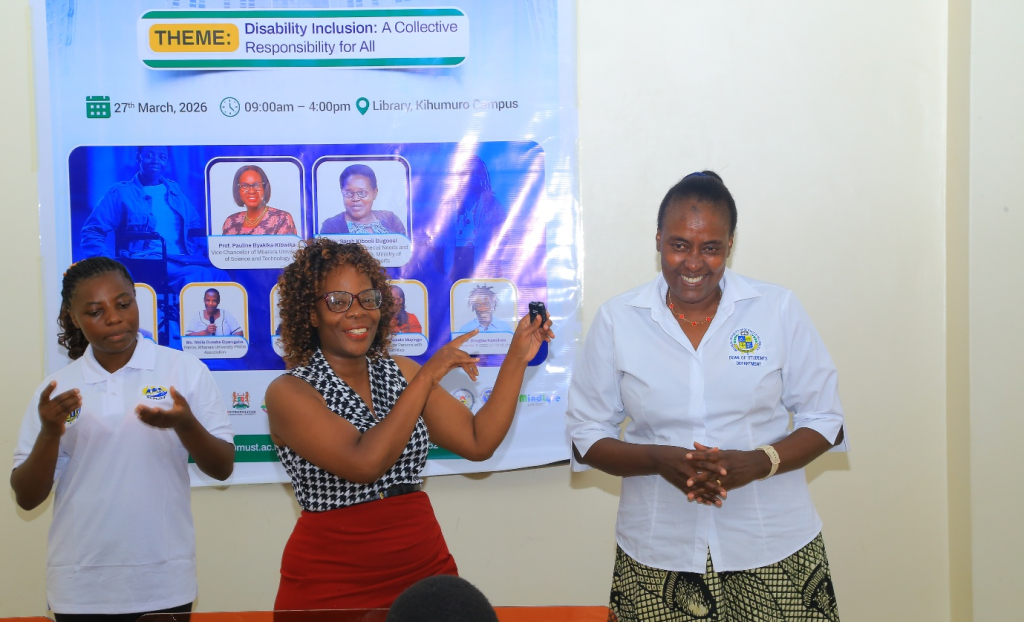
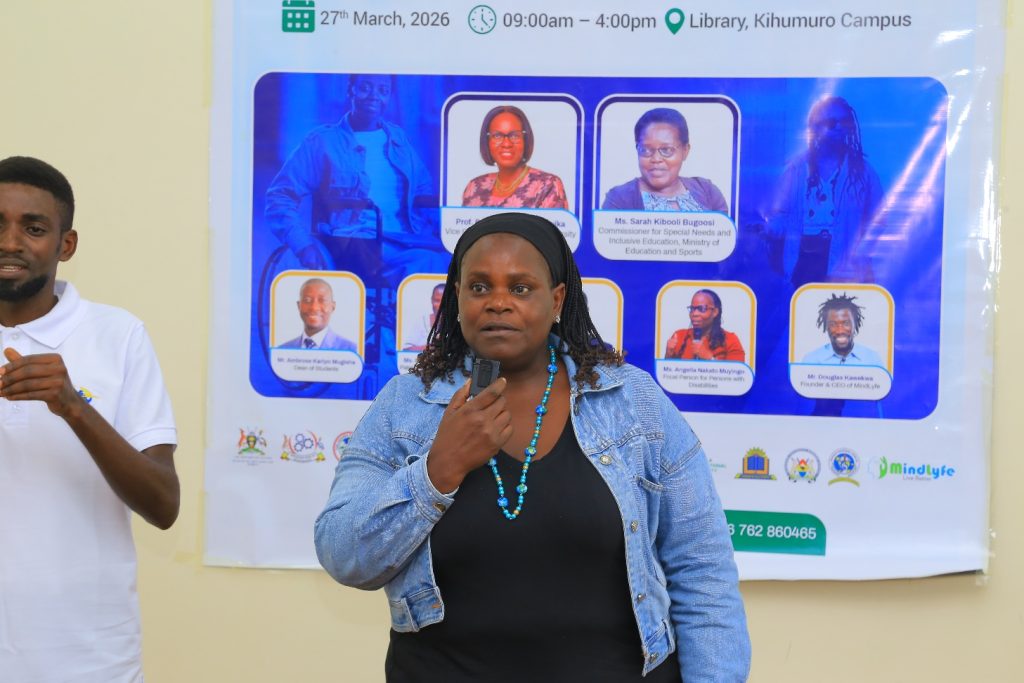
The moderator, Ms. Angella Nakato Muyingo, Senior Communications Officer, challenged the congregation to share what the public often misses about disability. Key takeaways included:
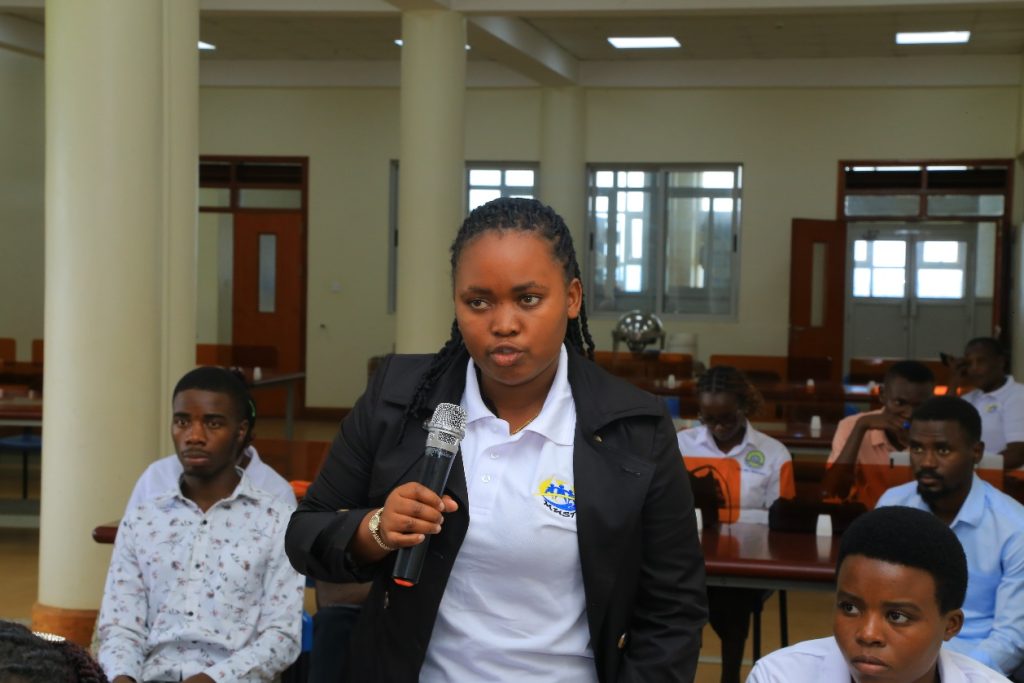
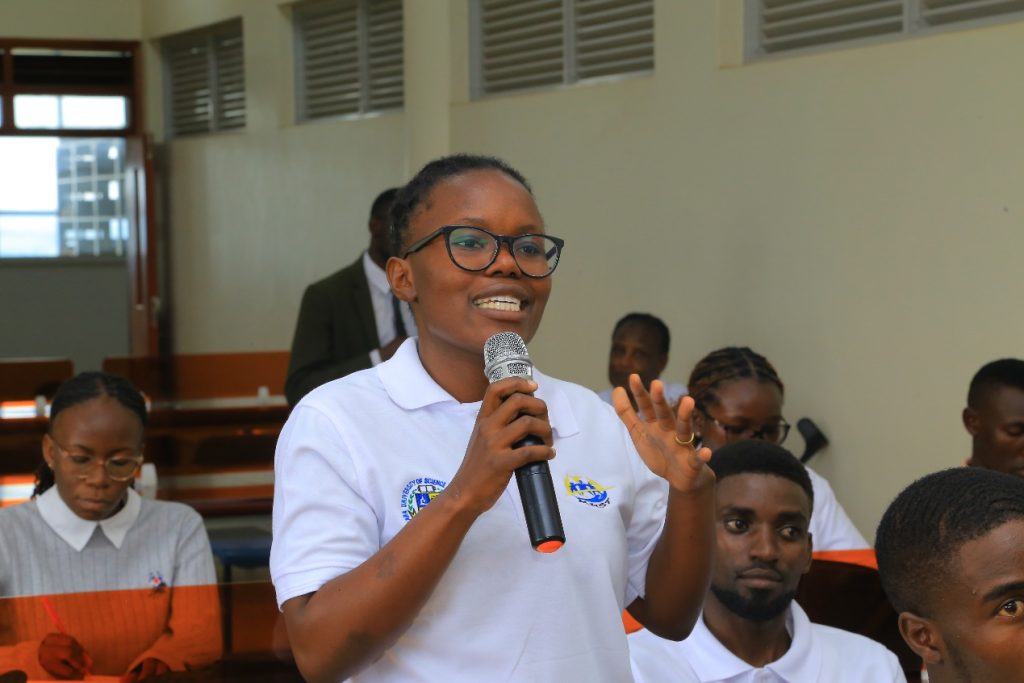
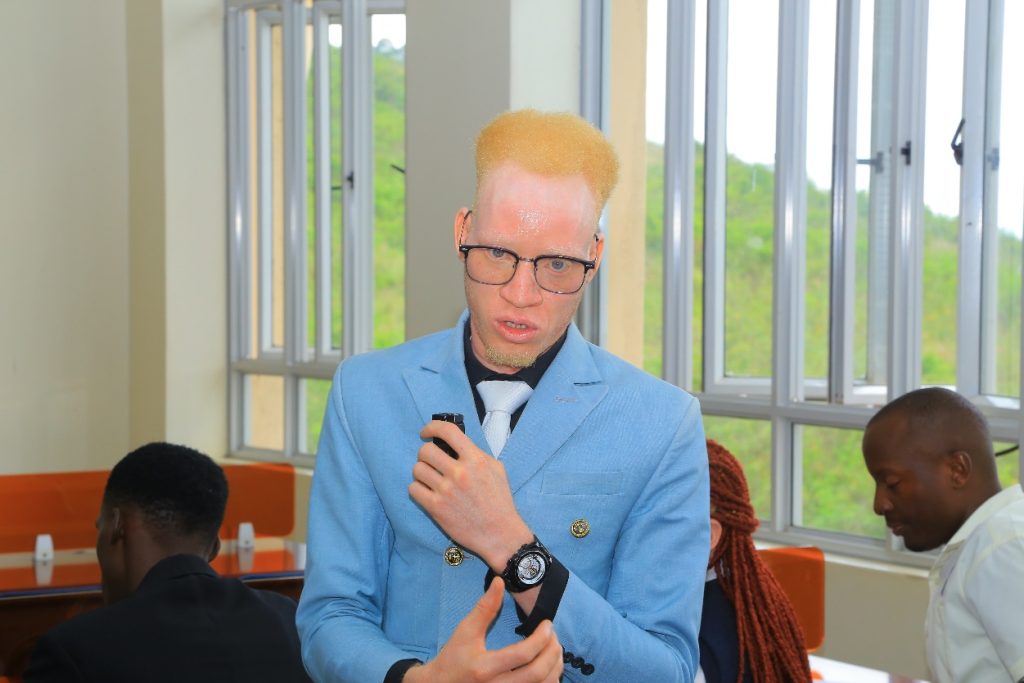
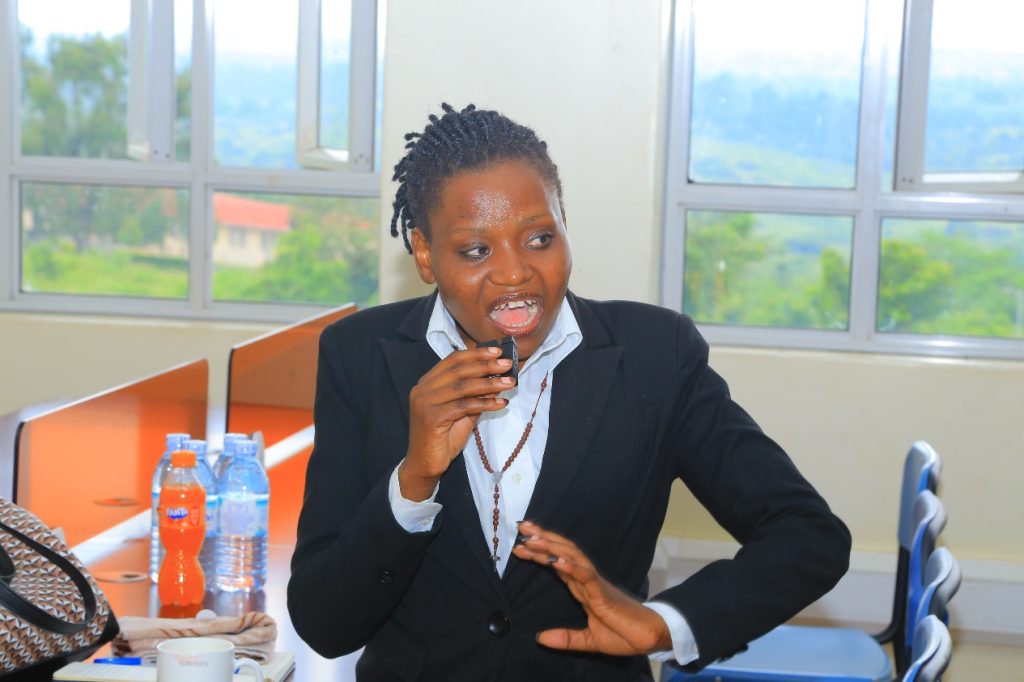
Empathy over Sympathy: Students emphasized that they do not want pity; they seek genuine understanding and practical support. Student from MUST shared.
Invisible Barriers: Participants noted that not all disabilities are visible. They highlighted that stigma often begins within the family, where a lack of support can prevent them from accessing equal opportunities.
Equality vs. Equity: Discussions highlighted that true inclusion requires providing the specific tools individuals need to succeed, such as the specialized scholarships for persons with disabilities offered at MUBS.
Communication through Friendship: “Inclusion is about friendship. Do not just ask me if I need something understand my needs intuitively and be there for me.”
Combating Stigma: Inclusion requires dismantling premature judgment and addressing stigma at its roots. It is essential to build someone’s confidence, as they are frequently judged before they even have a chance to begin. Student from BSU shared.
Authentic Inclusion: While policies exist, the plea from students is for organizations to move beyond “paper-thin” compliance. True belonging is felt through sincere body language and inclusive attitudes, not just through written documents. A student from Kyambogo university shared.
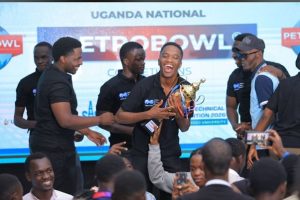
Universal Accessibility: By recognizing invisible disabilities and removing systemic barriers, institutions unlock the full potential of all students and staff. One participant highlighted this by sharing, “I won a gold medal in Karate at the Inter-University games despite my impairment.” I made MUST proud.
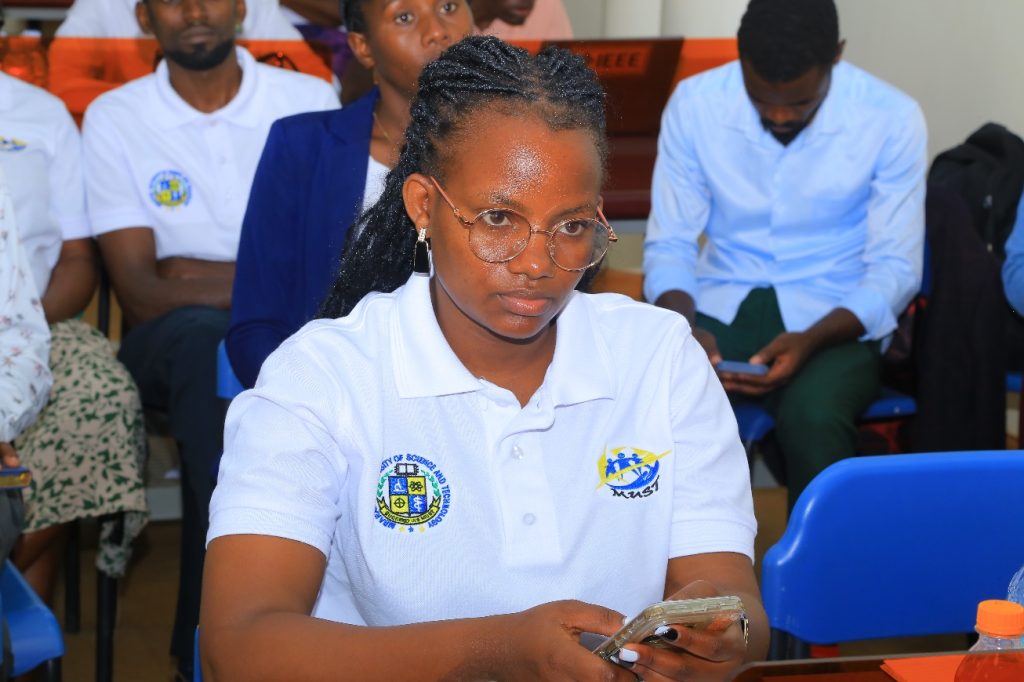
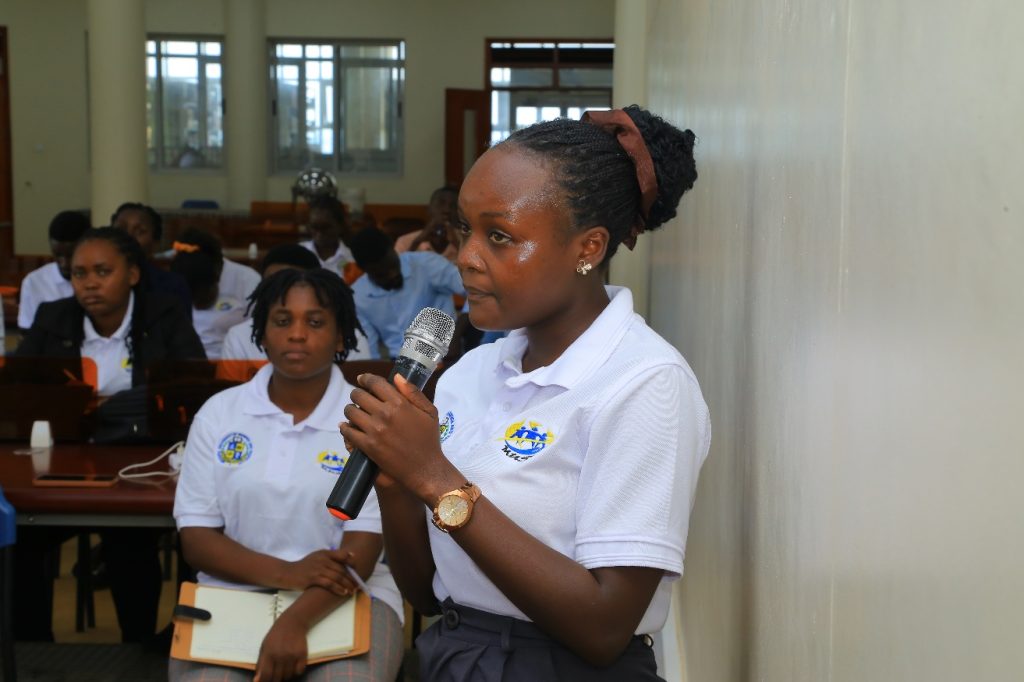
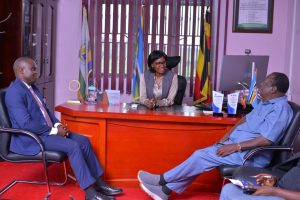
Institutional Commitment: In her opening remarks, Ms. Maureen Kahima, Deputy Dean of Students at MUST, reaffirmed the university’s commitment to supporting all learners.
“The Office of the Dean of Students is open to everyone to receive complaints and support students through their challenges,” she stated. Ms. Kahima proudly noted that MUST has seen students with disabilities not only graduate but excel as top performers in their classes.
She described inclusion as a “continuous learning journey” and credited leaders like Ms. Angella Nakato and Ms. Stella Dusabe for their roles in policy development.
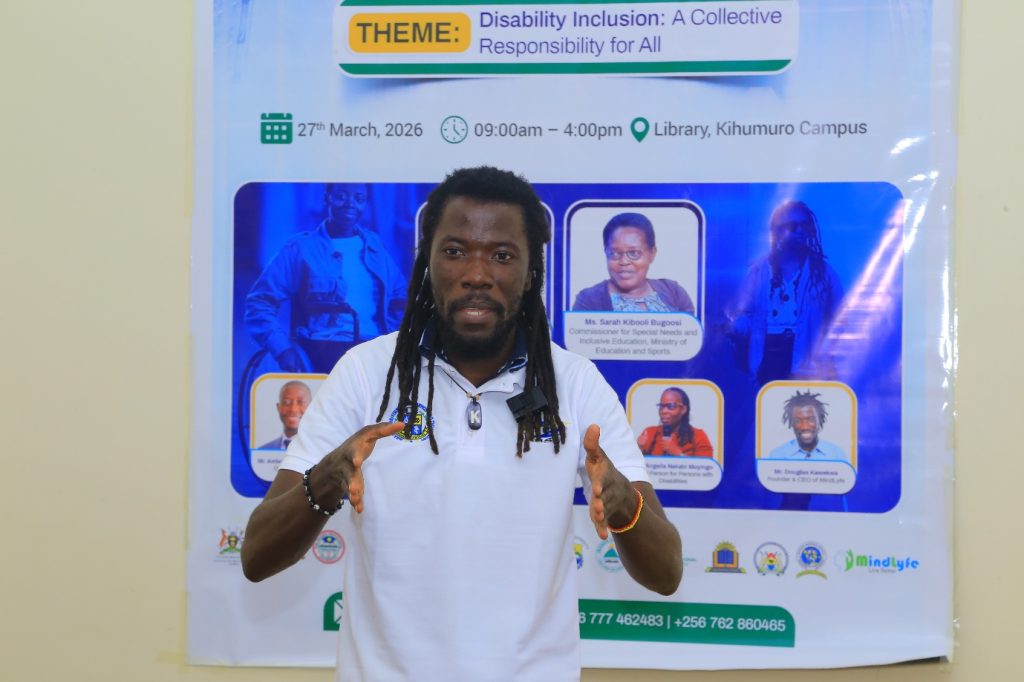
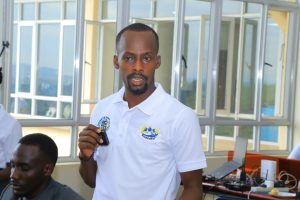
The Intersection of Mental Health and Disability: Douglas Kawekwa, a mental health practitioner from MindLife, delivered a thought-provoking keynote on how environmental factors impact psychological wellbeing. He explained that MindLife focuses on:
-
Promoting mental health awareness and psychoeducation.
-
Leveraging digital platforms for teletherapy across East and Southern Africa.
-
Encouraging help-seeking behavior through community-based support.
Mr. Kawekwa broke down the three pillars of stigma: Self-stigma (internalized beliefs), Institutional stigma (exclusionary policies), and Social stigma (discrimination).
“Inclusion is not about doing things for someone—it is about doing things with them,” he emphasized.
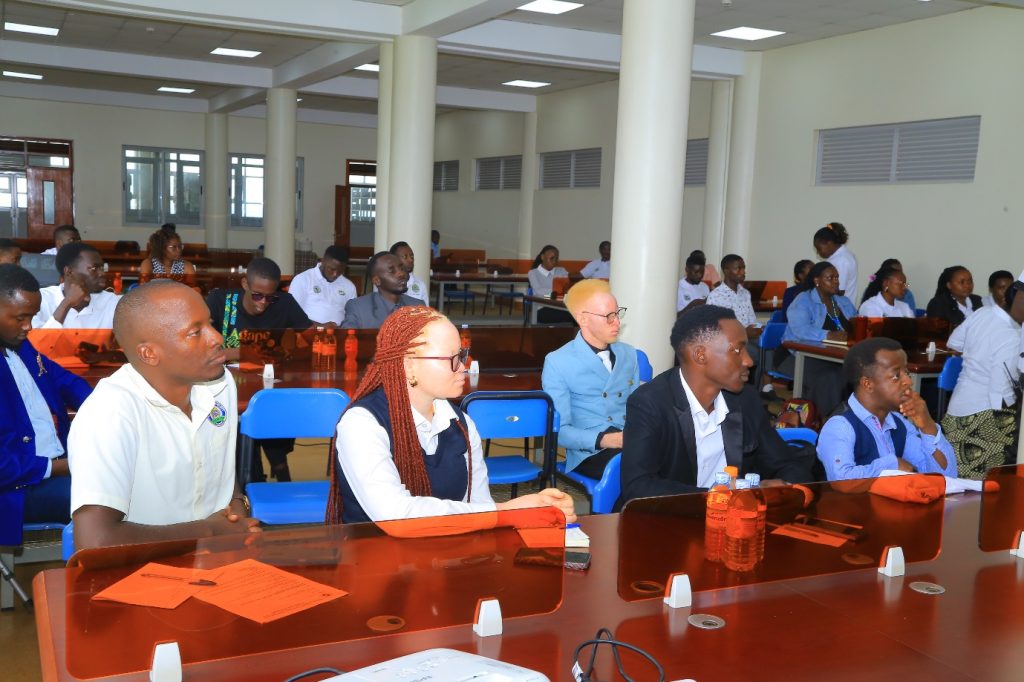
The seminar was enriched by personal testimonies. One student shared a journey of self-acceptance: “I used to hate myself in primary school, but later I learned to appreciate and love myself and that changed my life.”
Students collectively stressed that inclusion means being involved from the very beginning of decision-making processes, not as an afterthought.
The seminar concluded with a call for:
-
Strict Enforcement: Moving from written policies to active implementation.
-
Academic Accommodations: Standardizing extra time and accessible learning materials.
-
Financial Equity: Ensuring specialized scholarship opportunities.
-
Training: Educating staff and students on inclusive communication and sign language.
“True inclusion in higher education is not a gesture of charity; it is the fundamental act of removing the barriers that stand between a brilliant mind and its potential. When we design our universities for the most vulnerable, we inadvertently create a more accessible, empathetic, and innovative environment for everyone.
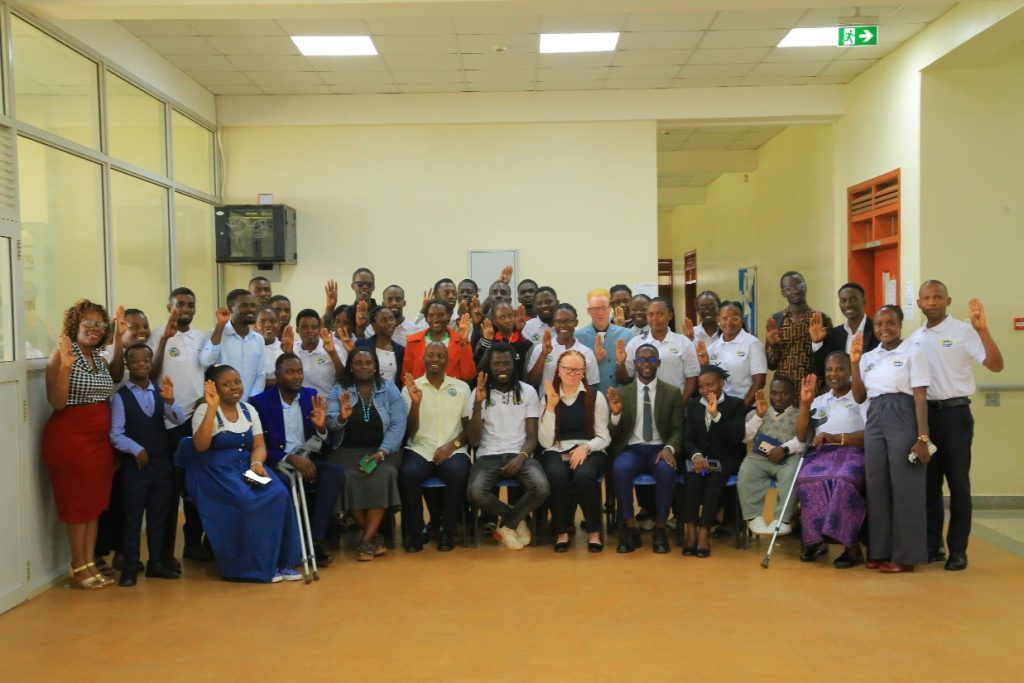
Succeed we MUST.