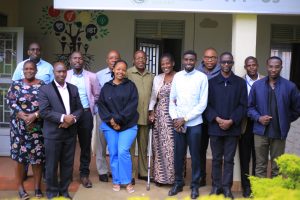
On October 14, 2025, Mbarara University of Science and Technology (MUST), in the Office of the Dean of Students together with OURS- Ruharo Mission Hospital, conducted a comprehensive disability assessment for both staff and students living with disabilities at the university.
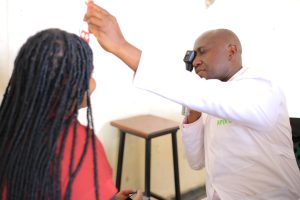
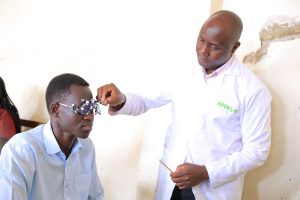
The assessment aimed to identify and understand the varying levels and types of disabilities among members of the university community to inform proper planning and strengthen support systems. This initiative seeks to ensure that all students and staff with disabilities can live, study, and work freely and comfortably within the university environment.
Over 100 students and staff members turned up for the assessment, which focused on establishing the nature and extent of individual disabilities, as well as determining the specific assistance each person may require. Those with urgent medical needs were immediately referred to Hospitals for specialized attention, while others were scheduled for follow-up assessments.
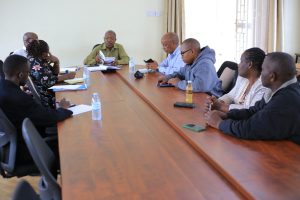
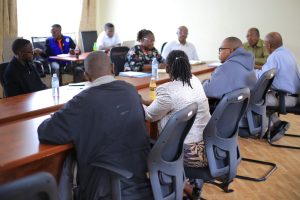
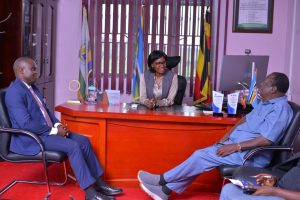
Following the exercise, the Disability and Technical Committee at MUST convened a meeting with key stakeholders, including the University Management and the Office of the Dean of Students, to discuss the findings and develop recommendations for improving the well-being of staff and students with disabilities. The meeting also emphasized the need to sensitize lecturers and administrative staff on providing additional academic support, such as flexible deadlines and extended examination time, where necessary.
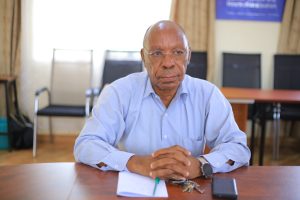
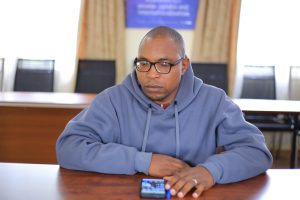
The assessors commended MUST for its continued commitment to creating an inclusive and enabling learning environment. They noted that the university has made significant progress in providing assistive devices, accessible accommodation, and inclusive infrastructure. They further recommended that the disability assessment be conducted regularly, as the number of persons with disabilities continues to grow.
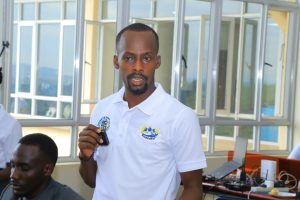
According to Ms. Stella Dusabe, the Administrator in charge of Students and Staff with Disabilities and a council member at MUST, the assessment was designed to help the university understand the specific needs and preferences of persons with disabilities and to design appropriate interventions. “
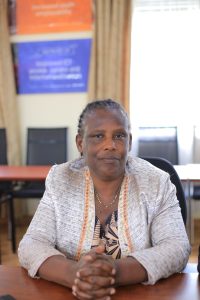 “The goal is to know what our students and staff with disabilities need, how they wish to be assisted, and then work with management to find practical solutions to their challenges,” Ms. Dusabe explained.
She added that those assessed in previous years have benefited greatly from the program.
“Last year, all the assessed candidates received tools and gadgets to support their learning, with each beneficiary receiving at least a laptop,” said Ms. Dusabe.
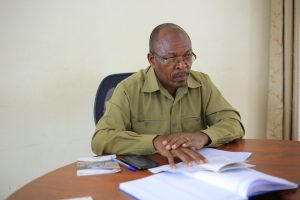 However, she pointed out that the program faces challenges in maintaining consistent statistics due to limited awareness among the student community and underreporting of disabilities. She called upon the entire university community to show empathy and support for persons with disabilities.
“People without disabilities should always lend a helping hand and avoid stigmatizing others. No one chooses to be disabled,” she urged.
Ms. Dusabe applauded the university for its strong commitment to inclusivity, including employing staff with disabilities and providing equal opportunities for all.
The University’s commitment to fostering an inclusive and accommodating environment necessitates a comprehensive understanding of the specific requirements of its students, staff, and faculty with disabilities. As Angella Nakato Muyingo, a PWDs member, aptly stated, “The University cannot remodel the environment or rather provide for persons with impairments when they don’t know what impairment they are addressing.”said Angella Nakato Muyingo a member of the PWDs board at MUST . she added that the Needs Assessment is a critical, proactive step that transforms an abstract commitment to accommodation into a concrete, measurable, and effective action plan. By listening directly to the PWDs community and gathering empirical data, the University can move forward confidently, assured that its efforts will truly create the inclusive environment it aims to achieve.
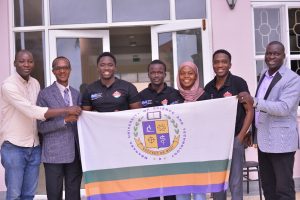
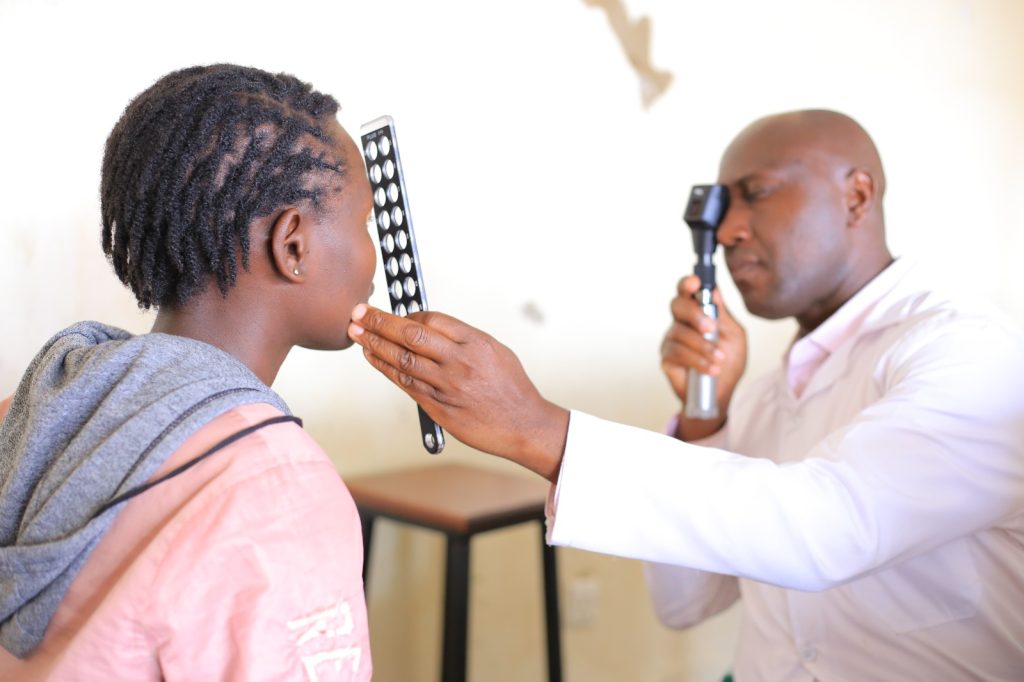
Currently, MUST has over 100 staff and students with disabilities. The university continues to implement several initiatives to promote inclusivity, including the Disability and Special Needs Policy, installation of accessible infrastructure across campuses, and continuous sign language training for staff and students through collaborations with Cyber School Technology Solutions, in partnership with Mastercard Foundation which has supported us greatly with assistive devices and scholarships and OURS Ruharo Mission Hospital which offered free eye screening on the day of assessment.
These ongoing efforts reaffirm MUST’s commitment to fostering an inclusive academic environment where every member of the university community can thrive and contribute meaningfully to national development.