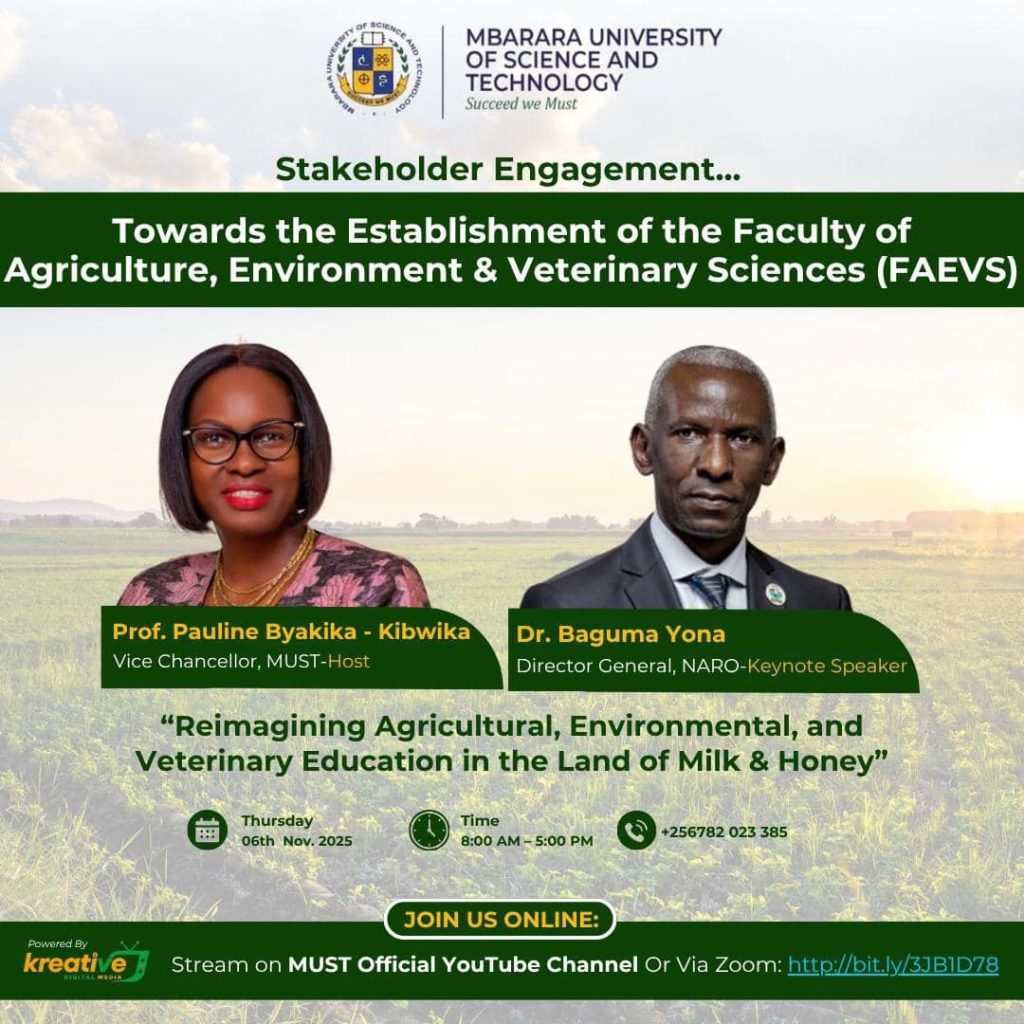
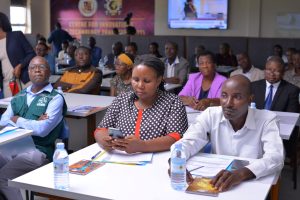
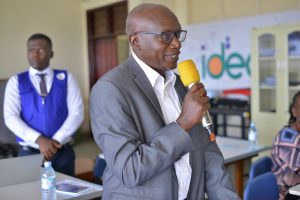
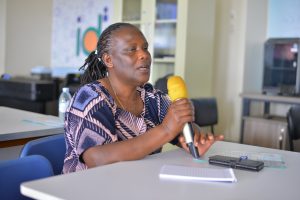
On Thursday November 6, 2025, Mbarara University of Science and Technology (MUST) hosted a full-day Stakeholder Meeting at the CITT Co-Creation Space, FAST Building, Kihumuro Campus, to discuss the need for additional training in agricultural, environmental, and veterinary sciences in Uganda. The event focused on the proposed transition of the Department of Environment and Livelihoods Support Systems (DELSS) under the Faculty of Interdisciplinary Studies into a new Faculty of Agriculture, Environment, and Veterinary Sciences (FAEVS).

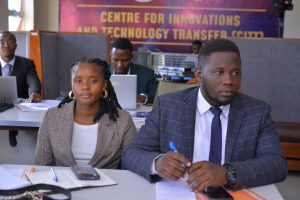
MUST, strategically located in Southwestern Uganda often referred to as “the land of milk and honey” has long recognized the importance of integrated approaches to address challenges in agriculture, environment, and veterinary sectors. Over the years, DELSS has successfully offered the BSc Agriculture and Livelihoods for more than a decade, and the MSc Agricultural Innovations and Livelihoods was recently approved by the University Senate and Council. The proposed FAEVS aims to leverage this foundation to provide interdisciplinary training, research, and innovation that address both local and regional challenges while aligning with global priorities.
The stakeholder engagement sought to:
- Identify gaps and critical training needs in agriculture, environmental, and veterinary sciences.
- Garner buy-in from stakeholders for the establishment of FAEVS.
- Receive feedback on the proposed academic programmes to ensure their relevance, sustainability, and alignment with NDP IV pillars and Sustainable Development Goals (SDGs).
Dr. Wendo Mlahagwa– Olema Dean of the Faculty of Interdisciplinary Studies, welcomed participants and highlighted MUST’s commitment to addressing agricultural, environmental, and veterinary challenges through integrated and practical approaches.
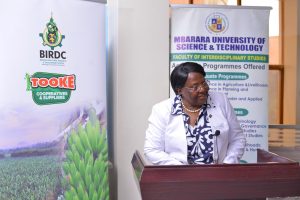
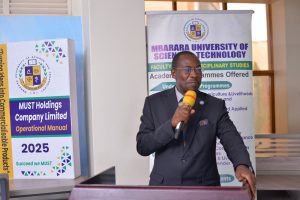
In her opening remarks, Prof. Pauline Byakika-Kibwika, Vice Chancellor of MUST, emphasized the importance of stakeholder contributions in shaping the proposed faculty: “Over the last 36 years, MUST has achieved remarkable growth. What we present today is not cast in stone; it’s a proposal. We need your ideas. We must learn from what has worked, what hasn’t, and what Uganda truly needs.”
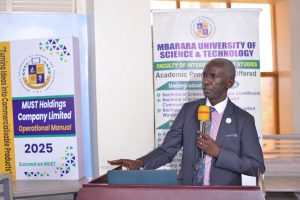
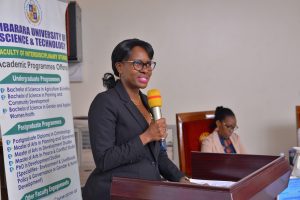
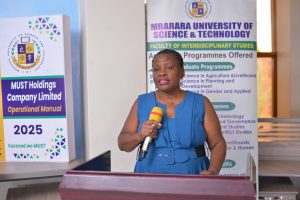
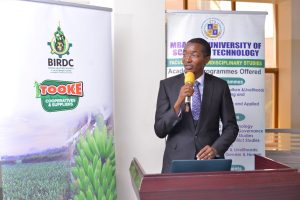
The keynote address was delivered by Dr. Yona Baguma, Director General of the National Agricultural Research Organization (NARO) emphasized the need for transdisciplinary collaboration in driving Uganda’s agricultural transformation. Dr. Baguma noted:
“Our nation faces serious challenges poverty, unemployment, and environmental degradation. We must confront these head-on through agricultural transformation that promotes productivity, food security, and sustainability.”
Dr. Ronald Twongyirwe presented the FAEVS proposal, outlining its potential to strengthen skilling, research, and innovation in agriculture, environmental, and veterinary sciences. This was followed by a panel discussion moderated by Dr. Viola N. Nyakato, with insights from several stakeholders focusing on curriculum relevance, industry needs, and community impact.
Nine proposed Bachelor of Science Degree programmes were presented in detail:
- BSc in Animal Health and Production Technology (BSAHPT) – 3 years
- BSc in Environmental Conservation and Tourism (BECTM) – 3 years
- BSc in Water Resources and Irrigation Engineering (BSWRIE) – 4 years
- BSc in Food Systems and Technology (BFST) – 4 years
- BSc in Agricultural Extension and Innovation (BAEI) – 3 years
- BSc in Agribusiness Management and Entrepreneurship (BSAME) – 3 years
- BSc in Wildlife Health and Management (BWHRM) – 3 years
- BSc in Aquaculture and Fisheries Science (BAFS) – 3 years
- BSc in Environmental and Climate Sciences (BECS) – 3 years
Each programme included a presentation on objectives, career pathways, and programme matrices, followed by open discussion and feedback from participants, ensuring alignment with industry needs and policy frameworks.
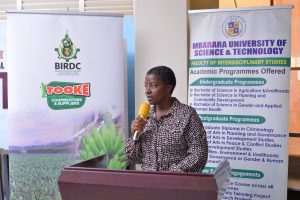
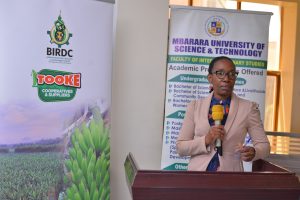
Rev. Prof. Florence Isabirye Muranga, Director General of the Banana Industrial Research & Development Centre (BIRDC) under the Presidential Initiative on Banana Industrial Development (PIBID), presented on the value of bananas and opportunities for value addition in cassava and Irish potatoes, pledging full support for FAEVS. She emphasized the need for research, training, and industry collaboration to enhance Uganda’s agro-industrial capacity.
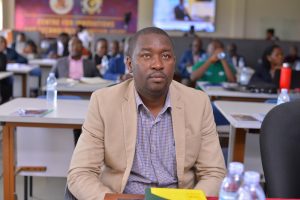

The event successfully provided a platform for co-creation, consultation, and consensus-building, guiding curriculum refinement, programme sequencing, and resource allocation. MUST reaffirmed its commitment to building skilled human capital, advancing research, and fostering innovation, with the ultimate goal of transforming Southwestern Uganda into a hub for agricultural, environmental, and veterinary excellence.
For more details please click this link: YouTube: https://www.youtube.com/live/4uii7T6Cm2w?si=aBdYHt02Qbrg0Kpg