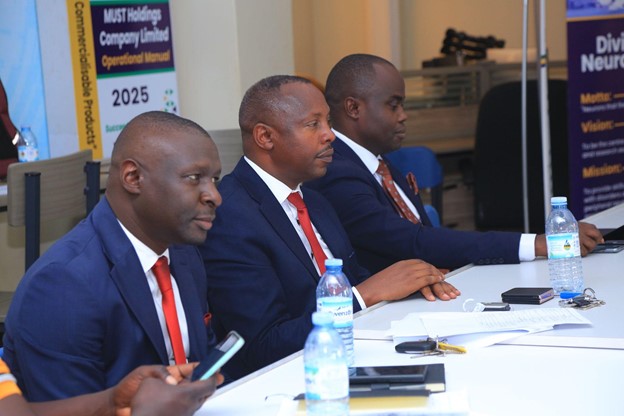
Mbarara ,Uganda – July 24, 2025 – Mbarara University of Science and Technology (MUST) today hosted a significant gathering of key stakeholders, solidifying its ambitious plans to revolutionize medical education and address critical healthcare disparities, particularly in neurosurgery, across Uganda. The discussions underscored a strong commitment to competency-based training, collaborative partnerships, and a vision for sustainable, high-quality medical services.
The day’s agenda, kicking off with a presentation by Dr. Blessing, flowed through various sessions, including a collaborative “Heads of Departments & All Stakeholders” meeting.
A Commitment to Competency-Based Curriculum and Practical Skills
At the heart of MUST’s strategy is a robust, competency-based curriculum, which Dr. Blessing highlighted. This curriculum, benchmarked against institutions in Nairobi and Makerere University Kampala (MUK), emphasizes exposure, skills, and knowledge. While the six-year duration of the Master of Medicine (MMed) Neurosurgery program might seem extensive, initial discussions suggest it may still not be “sufficient” given the depth required. There’s a strong push for continuous improvement through reflective and system-based practice, ensuring trainees develop emotional maturity and responsibility.
 A key point of contention and discussion revolved around the “Academic Course” (AC) and Clinical Conferences (CC). Dr. Eleanor Turyakira noted that AC and CC are new and uncommon, necessitating very essential, detailed course descriptions, especially for neurosurgery, as the AC incorporates many Clinical Observations (CO). Prof. David Kitya emphasized that the academic course must be clearly defined across different departments, potentially involving a theory paper by the two involved disciplines. Prof. David Kitya and Dr. Dan Kisitu underscored the need for “real dissection” in basic sciences, indicating a current gap in practical understanding among candidates in Basic Science 1 & 2.
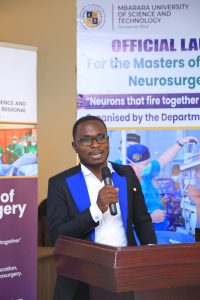
Dr. John Mary Ssembatya also acknowledged the support they got from Duke Global Neurosurgery and Neurology( DGNN) and College of Surgeons of East, Central and Southern Africa (COSECSA). “As a Fellow, I appreciate the training I got from COSECSA and DGNN. This enhanced my skills knowledge and understanding the discipline of Neurosurgery”
Addressing the Neurosurgical Burden: Expansion and Access
The discussions frequently circled back to the significant neurosurgical burden in Uganda and the glaring disparity between the population and available neurosurgical personnel. As Prof. David Kitya articulated, there’s an “urgent need to expand services” and recruit talent from other institutions. Uganda, currently with only two public hospitals offering neurosurgical services, is “badly off” but seen as potentially “better than Burundi.”
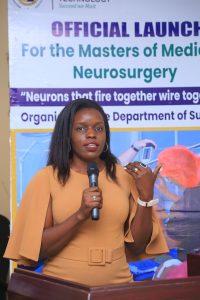 MUST is positioned to lead this expansion, particularly as it is noted to be “the only one who offer mobile surgery services.” The University aims for a “drastic expansion” of human resources for neurosurgery. Efforts are underway to equip two new theatres in the NICU (Neonatal Intensive Care Unit) with World Bank funding, and two new anaesthesia machines are also being acquired. Furthermore, a “Trauma call center and ambulance dispatch center/ ladder” for a new trauma patient evacuation system is set to launch in August, enhancing emergency response capabilities.
Collaborative Training and Satellite Centers
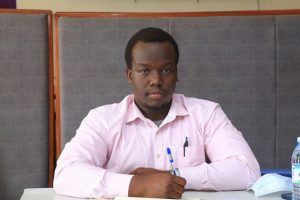
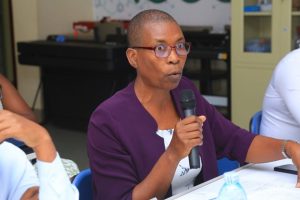
A cornerstone of the new approach involves leveraging satellite centers and collaborators. All candidates are expected to have access to and opportunities to visit these centers to acquire specific skills not available at the main campus. However, establishing these centers and securing sufficient time for satellite rotations presents challenges. It was agreed that trainers at these satellite sites would be identified by SNS and officially appointed by MUST.
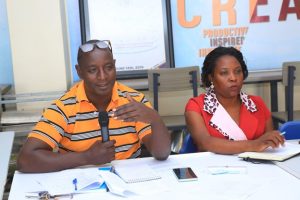
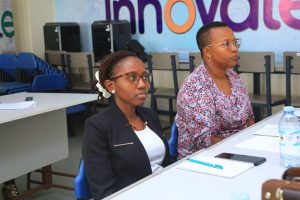
The importance of Memoranda of Understanding (MOUs) with satellite centers was heavily stressed, with Dr. Kisitu raised concerns about sustainability if collaborators were to withdraw. Dr. Adrian Kayanja highlighted the need for MOUs with international faculty to facilitate case discussions and ensure students fully grasp various aspects of the training.
Vital Role of Nurses Highlighted
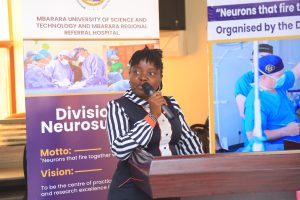
A poignant contribution came from Beatrice Katusiime, representing the dedicated nursing staff. She articulated the critical role of nurses in the neurosurgery department, stating, “The genesis as nurses in the neurosurgery department. As nurses, we offer first-hand care to these patients. We will benefit from this course highly.” Ms. Katusiime also extended her appreciation to Mbarara Regional Referral Hospital (MRRH), the doctors, professors, and all the different stakeholders involved in this transformative initiative. Her comments underscored the interdisciplinary nature of patient care and the significant impact these advancements will have on all members of the healthcare team.
Assessment, Admissions, and Sustainability
Assessment will involve digital logbooks, with a crucial focus on evaluating attitude and cognitive function – aspects “never assessed” before but vital for overall performance. New tools are to be developed for improved doctor assessments.
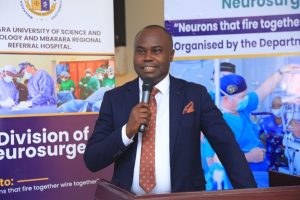
Discussions around admissions raised questions about accepting candidates with qualifications like RICS (Royal College of Surgeons?) and FCS (Fellow of the College of Surgeons?) into the MMed program, and if this aligns with MUST’s admission requirements. Dr. Blessing clarified that RICS cannot be equated to MMed/GS (General Surgery). It was noted that existing certifications like NACSID only cover knowledge, not clinical skills, prompting a re-evaluation of how prior learning integrates into the comprehensive 6-year program. It was acknowledged that members with BS, MCS, or FCS might not need to complete all six years.
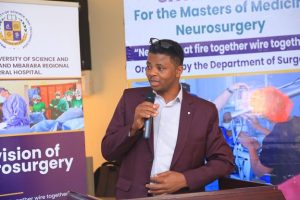
Concerns about funding and sustainability were recurrent. Dr. Dan Kisitu lamented that sponsors often assume the university has everything, leading to a lack of external funding. There were worries about funds being insufficient and the AR Office potentially rejecting academic course assessments due to budget shortfalls. The long-term viability of the program, especially if sponsors withdraw, was a significant point of reflection, with a call to learn from “HIC” (High-Income Countries) to prevent the program from “dying.”
Visionary Leadership and Partnerships
The success of these initiatives relies heavily on collaboration. Thanks were extended to key developers: MUST, UMBPC, NCHE, and DGNN. There’s a collective understanding that all partners must work together to identify and appoint faculty from satellite hospitals.
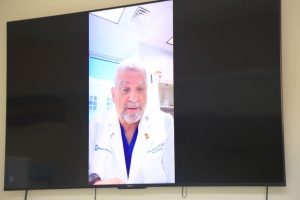 Prof. Michael Haglund who heads Duke Global Neurosurgery and Neurology, a significant figure in this endeavor, recounted the program’s origins and evolution, emphasizing the continuous journey. Dr. Deus Twesigye, acknowledged as a pivotal figure in MMed Neurosurgery, was congratulated for developing the postgraduate curriculum in 2003 and has “never stopped at that mentor, teacher.” His tireless efforts, alongside Prof. David Kitya’s, have been instrumental in this progress. He went ahead and acknowledged Government for supporting the hospital. “ The support given will help us give better services. We pledge an anesthesia machine to support the department”
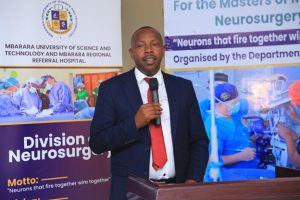
The Medical School and its faculty were described as “very excited and very supportive,” with their service set to be “forever cherished.” The core functions of the medical school were reaffirmed: clinical practice, research, outreach & community engagement, and training & education.
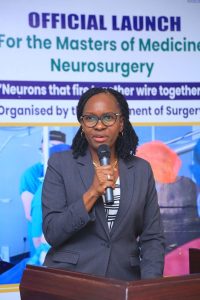 Prof. Pauline Byakika-Kibwika, the vice chancellor acknowledged this milestone mentioning that it gives her joy to see MUST breaking barriers . “MUST is standing out as a star in this field. I thank Prof. Kitya for leading this. I pledge my support to this faculty.” She pledged her full support to the faculty of medicine and as well as appreciated the hospital administration through the director.
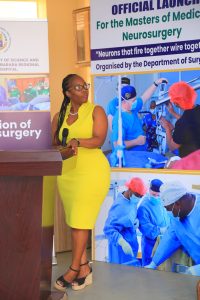
The event was professionally moderated by Angella Nakato Muyingo,the Senior Communications Officer-Public Relations.
Looking Ahead
The spirit of collaboration and continuous improvement permeated the meeting. Prof. Byaruhanga expressed the privilege of leading senior colleagues and celebrated the recent launch of a fellowship in Pelvic Floor Reconstructive Surgery. Dr. Osmani concluded by stating, “Everyone else will have to learn and grow with the division,” highlighting the dynamic and evolving nature of this critical medical advancement.
The consensus was clear: MUST is not just filling a gap in healthcare; it is igniting a fire of excellence, building a legacy, and working towards a future where high-quality neurosurgical and medical services are accessible to all, making it a program that can be referenced and copied across Sub-Saharan Africa.
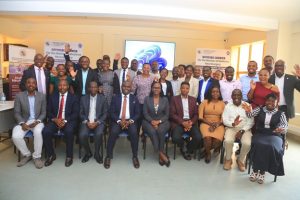
For more photos from the event, click here.