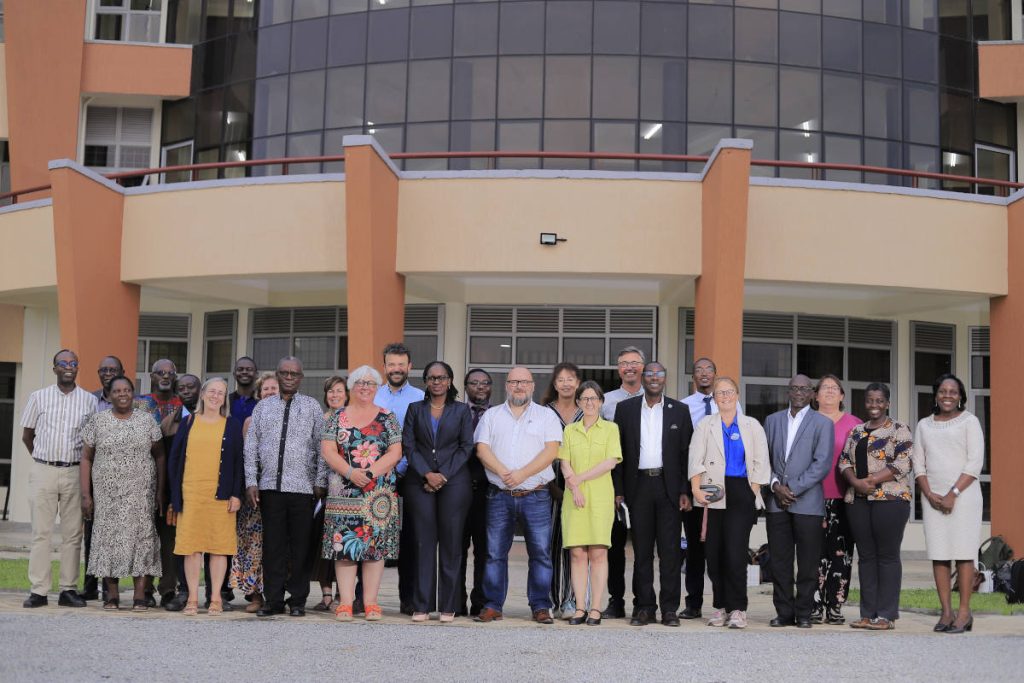
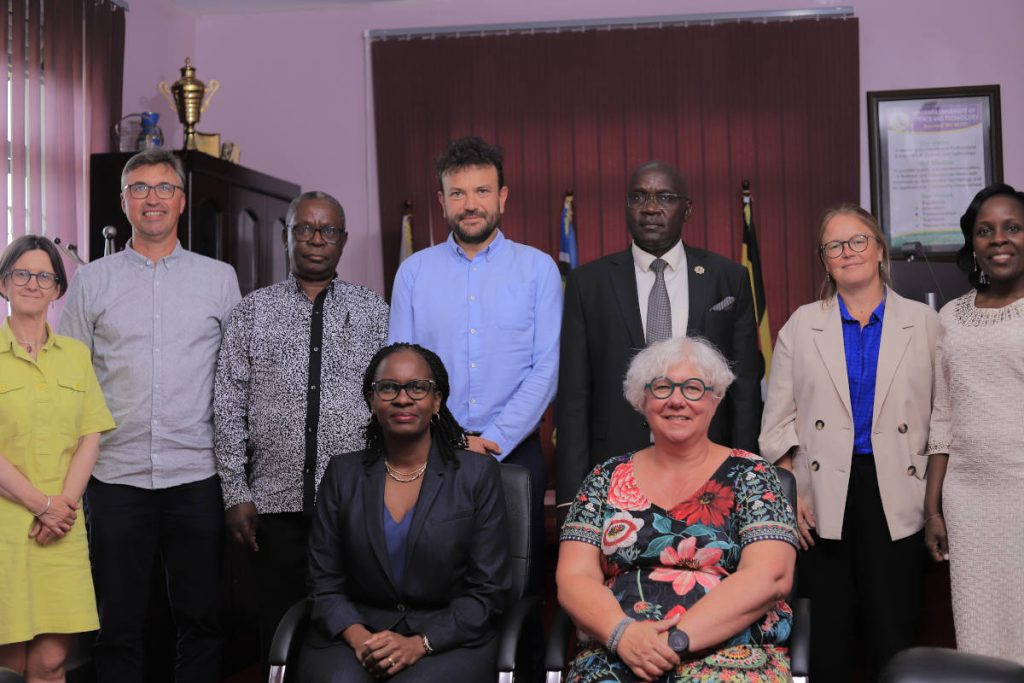
On 20-21, August 2025, Mbarara University of Science and Technology (MUST) hosted a high-profile delegation from the Ghent University Association (AUGent) under the UCoBS project, reaffirming a decade-long partnership aimed at enhancing community-based education, research, and service for sustainable development.
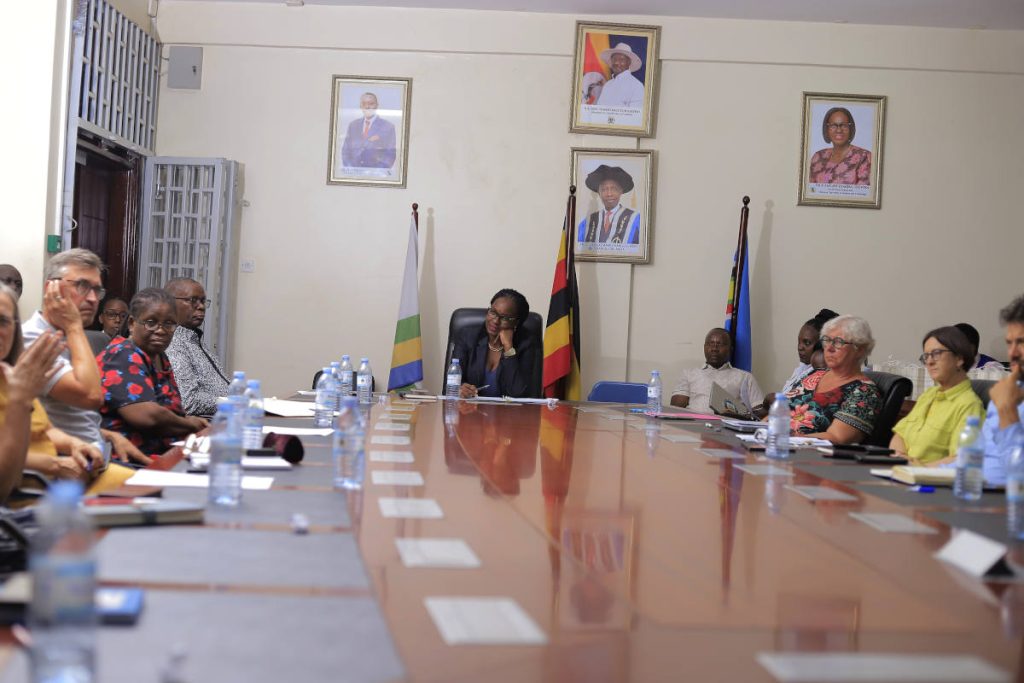
The delegation was led by Prof. Mieke Van Herreweghe, Vice Rector of Ghent University, Dr. Annelies Verdoolaegeaccompanied by dignitaries from HoGent University of Applied Sciences and Arts and Howest University of Applied Sciences, among other association members. These included Prof. Mieke Van Herreweghe, Prof. Kristiane Van Lierde, Dr. Annelies Verdoolaege, Ms. Cindy De Muynck, Ms. Christel Meert, Ms. Ann-mre Engolen, Assoc. Prof. Pascal Coorevits, Mr. Liven Theys, Ms. Katelijne Demeyere, Dr. Robin Stevens, Ms. Liesbeth Van Heck, and Dr. Herve Monka Lekuya. They were warmly welcomed by Prof. Pauline Byakika-Kibwika, Vice Chancellor of MUST, and the UCoBS team headed by Assoc. Prof. Charles Tushabomwe-Kazooba, Deputy Vice Chancellor of Finance and Administration.
A Legacy of Growth and Engagement
In her remarks, Prof. Byakika highlighted MUST’s transformation over its 35-year history, from a single Faculty of Medicine in 1989 to a thriving institution that now operates on two campuses; the City Campus and the Kihumuro Campus. Today the university has six faculties; Faculty of Medicine, faculty of Science, Faculty of Business and Management Sciences, Faculty of Interdisciplinary Studies, Faculty of Applied Sciences and Technology and Faculty of Computing and Informatics. In addition it hosts the MUST Research Institute including;
- The Institute of Tropical Forests and Conservation
- Maternal Newborn and ChildHealth Institute
- The Center for Innovation and Technology Transfer
- The Pharm-Biotechnology and Traditional Medicine Center
- The recently launched Policy and Economic Data Centre
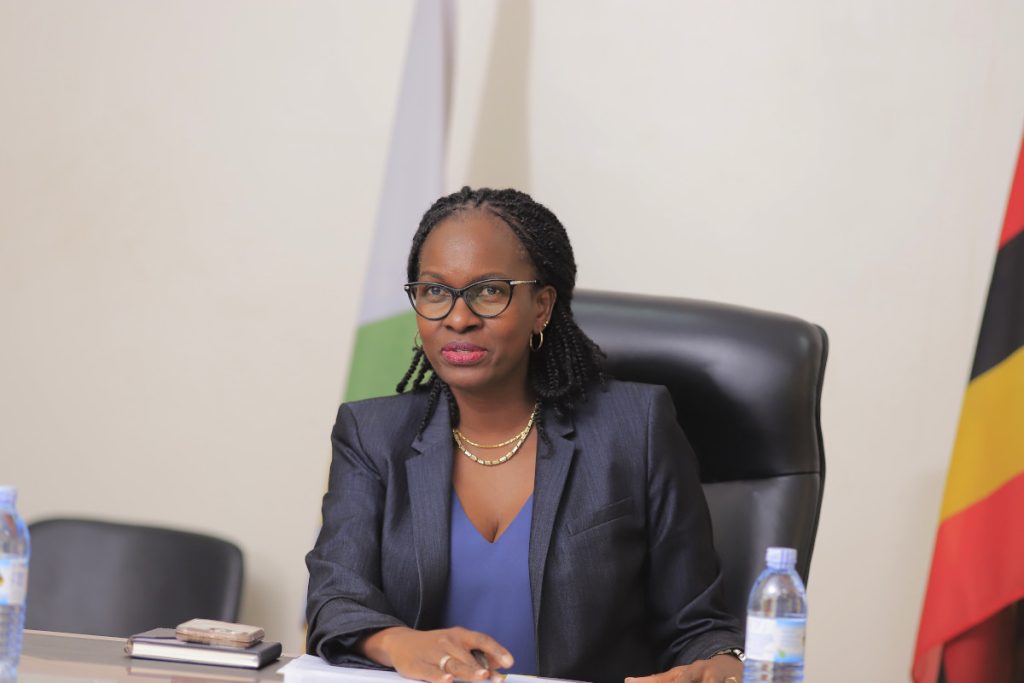
She reaffirmed MUST’s founding philosophy of community engagement and emphasized that partnerships such as UCoBS have already yielded joint research projects, staff and student exchanges, and capacity-building initiatives. Prof. Byakika, further called for expanding collaborations into health sciences, agriculture, renewable energy, ICT, nuclear energy, and innovation entrepreneurship, while advocating for fairer authorship opportunities for African scientists in joint publications.
Partnerships flourish where there is mutual trust, a shared vision, and a commitment to sustainable development. We look forward to signing a memorandum of understanding with AUGent that will secure future collaborations, joint PhDs, and impactful innovations, she noted.
Ghent University: A Global Research Powerhouse
In her keynote, Prof. Mieke Van Herreweghe traced Ghent University’s growth from its founding in 1817 with 190 students to its current status as a top-100 global university with over 50,000 students, 5,000 PhDs, 11 faculties, and an internationally renowned university hospital. She described Ghent as a comprehensive university with 69 English-taught master’s programs and a global footprint, including a unique campus in South Korea focused on biotechnology.
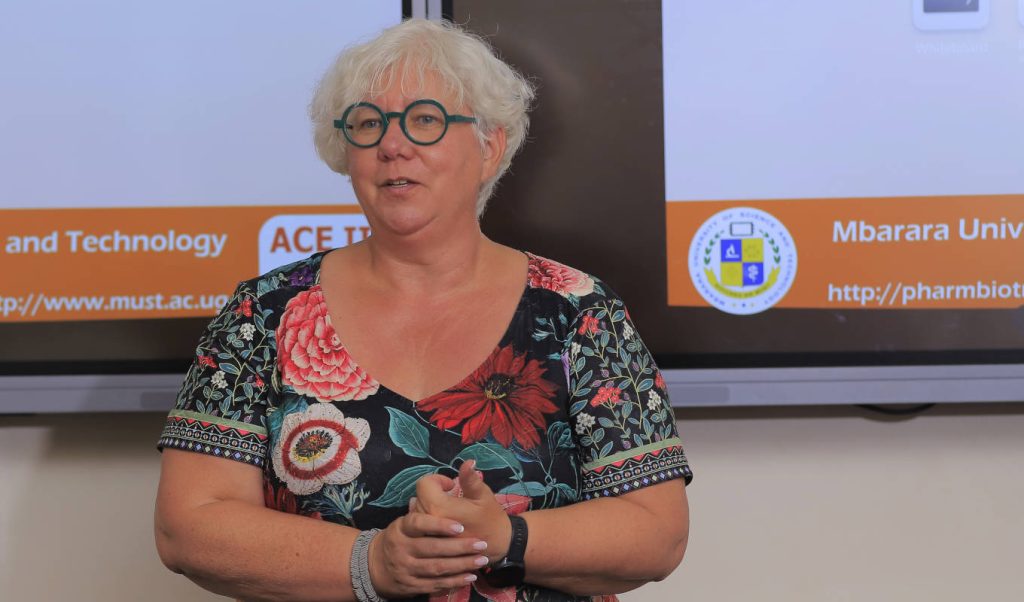
Nearly half of Ghent’s PhD students are international, reflecting its diverse research ecosystem of more than 8,000 researchers. We are very happy that MUST is the first university we are visiting in Uganda. Our association believes in ‘Dare to Think,’ and we see great opportunities in expanding joint research, student mobility, and interdisciplinary collaborations with MUST, Prof. Van Herreweghe remarked.
Showcasing Partnership Achievements
During the visit, AUGent delegates presented their institutions’ strengths, including:
- Howest University of Applied Sciences: Renowned for its Digital Arts and Entertainment program, ranked the world’s best in game development and industrial product design, Howest is partnering with MUST on youth entrepreneurship, internships, and vocational learning innovations.
- HoGent University of Applied Sciences and Arts: With over 20,000 students and a strong reputation in applied research, professional training, and sustainable mobility, HoGent has been recognized for its role in co-founding the EUREKA Alliance of European Universities.
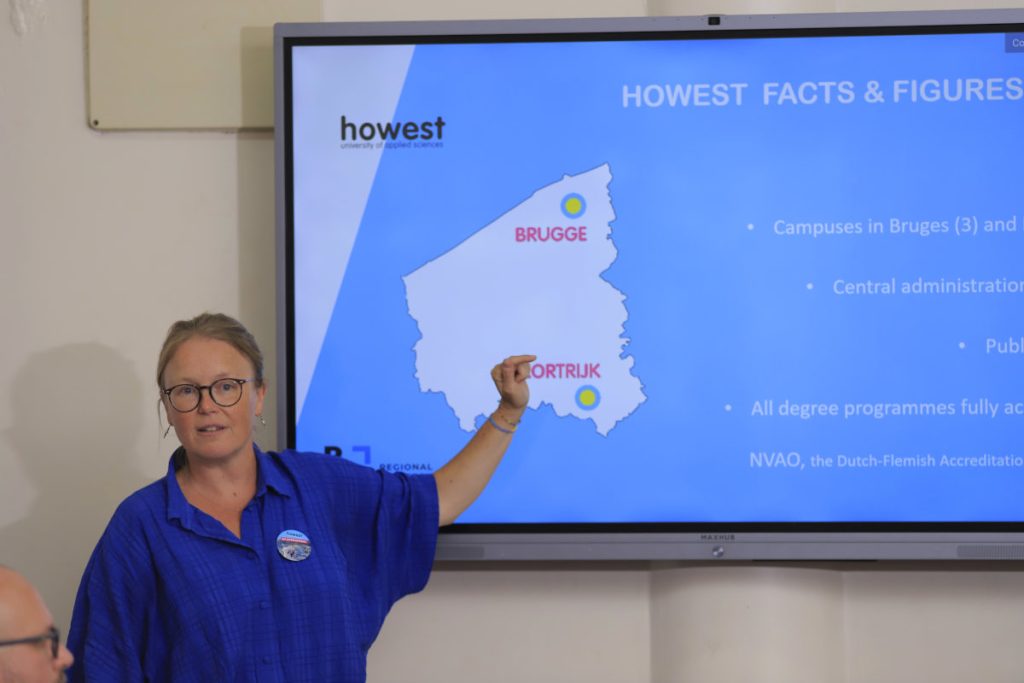
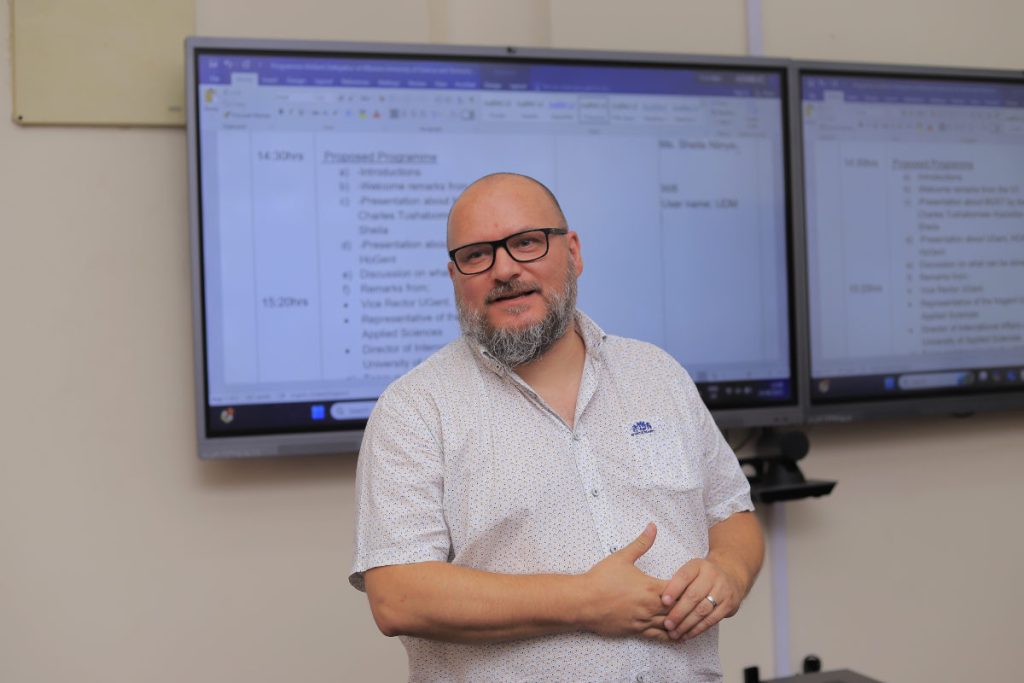
MUST staff, researchers, and alumni participated in a team matchmaking session with the delegation to explore opportunities in areas such as community-based education (COBERS), youth employability, health, affordable energy, climate change adaptation, and ICT innovations.
Strengthening Education Infrastructure
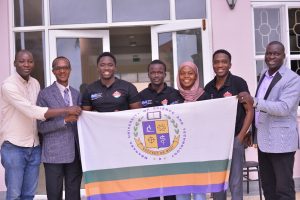
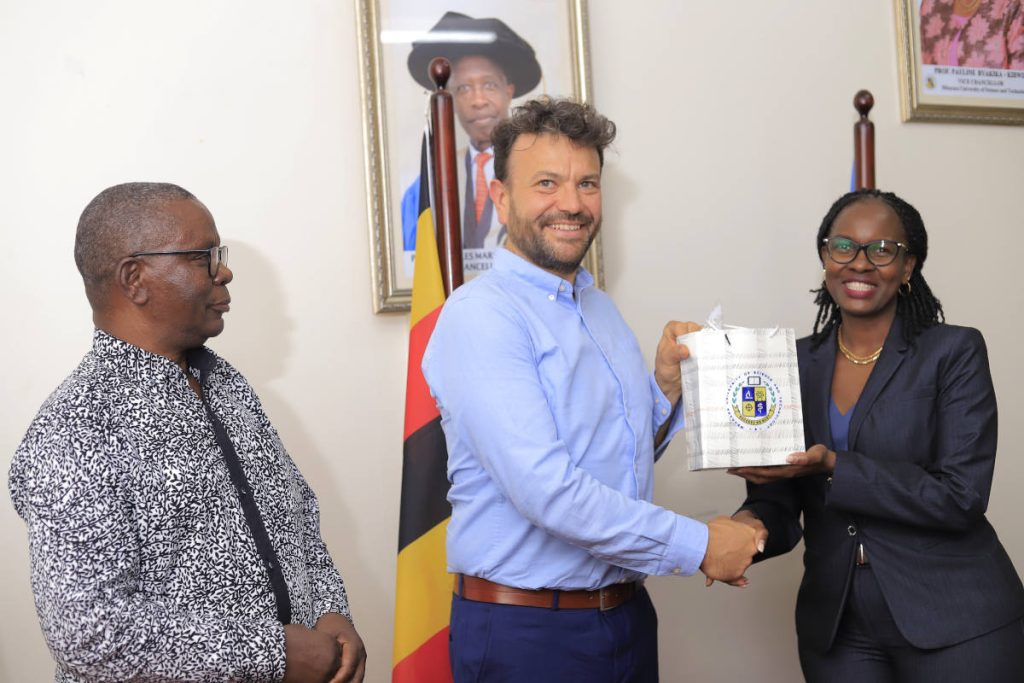
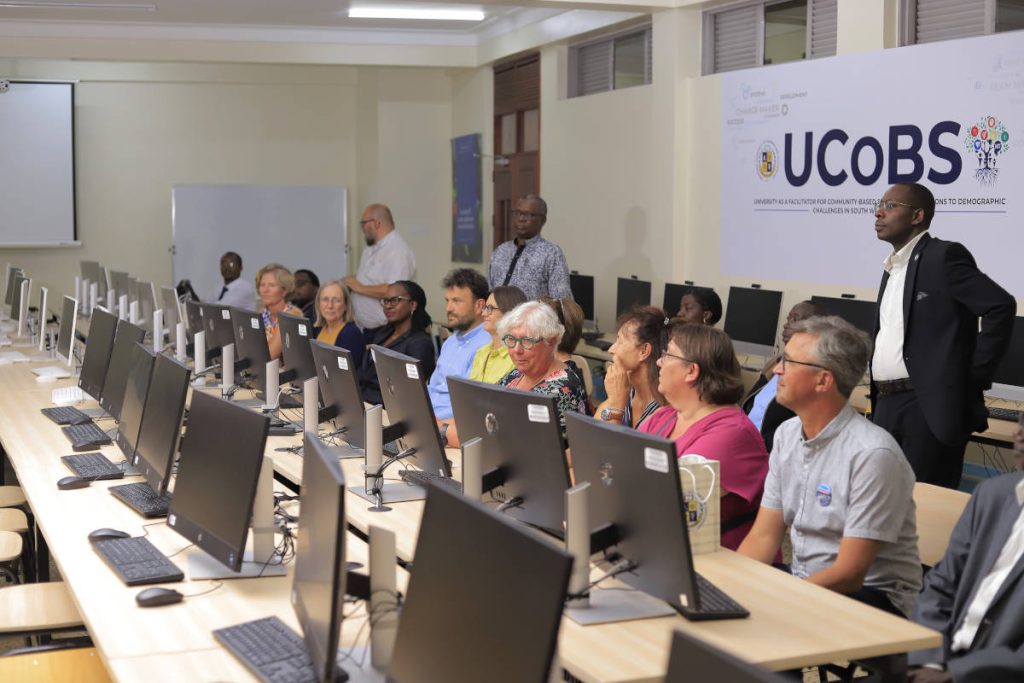
A highlight of the visit was a tour of the newly commissioned Faculty of Computing and Informatics building at MUST’s Kihumuro Campus. The delegation visited the modern computer laboratory, equipped with 55 computers, which were donated by Ghent University under UCoBS Sub-Project 6. Prof. Byakika noted that the laboratory will play a key role in supporting competency-based curriculum rollout and adoption of emerging technologies, including artificial intelligence, to strengthen learning and research outcomes across disciplines. At the end of the discussion, souvenirs were exchanged, and both parties pledged to consolidate the partnership into a formal Memorandum of Understanding (MOU).
The UCoBS Partnership: Building Sustainable Futures
The MUST-IUC Partnership, known as UCoBS, is a 10-year collaborative initiative (2021–2031) between MUST, Vrije Universiteit Brussel (Belgium), and Flemish Higher Education Institutions, funded by VLIR UOS. This pioneering project focuses on improving household livelihoods for the Most at Risk Populations (MARPs) in South Western Uganda. UCoBS features six vital sub-projects, including:
Sub-project 1: Climate change and food production,
Sub-project 2: Renewable energy,
Sub-project 3: Sexual and reproductive health,
Sub-project 4: Innovative business entrepreneurship aimed at enhancing youth employability,
Sub-project 5: Strengthening institutional and community ICT capacity.
With a strong emphasis on research, knowledge generation, capacity building, and community outreach, UCoBS seeks to foster sustainable solutions and empower communities for positive, lasting change.
Towards Deeper Collaboration
The discussions included the possibility of joint PhD programs and, in the future, joint master’s degrees, aligning with both universities’ policies on international training. The Vice Chancellor stressed that such collaborations would equip graduates with industry-ready skills and expand career opportunities globally. The visit ended with a tour of the Faculty of Medicine, Mbarara Regional Referral Hospital (MRRH) and the entrepreneurship centre under construction with support from the Province of West Flanders, Belgium. Through UCoBS (2021–2031), MUST, AUGent and partners continue to empower vulnerable communities with research, innovation, and sustainable solutions.