Mbarara University of Science and Technology (MUST) recently concluded an intensive one-week surgical skills training program designed to equip students with essential hands-on experience in life-saving surgical management. Recognizing the critical need for well-prepared surgeons to handle diverse and complex trauma cases, the program focused on providing practical, real-world exposure to various surgical specialties.
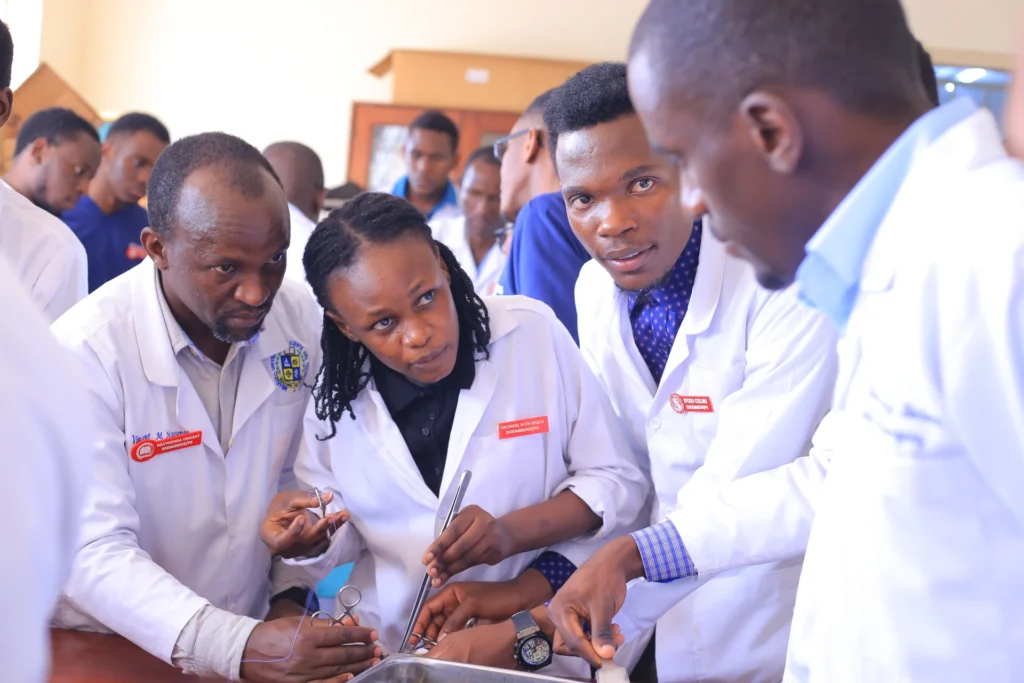
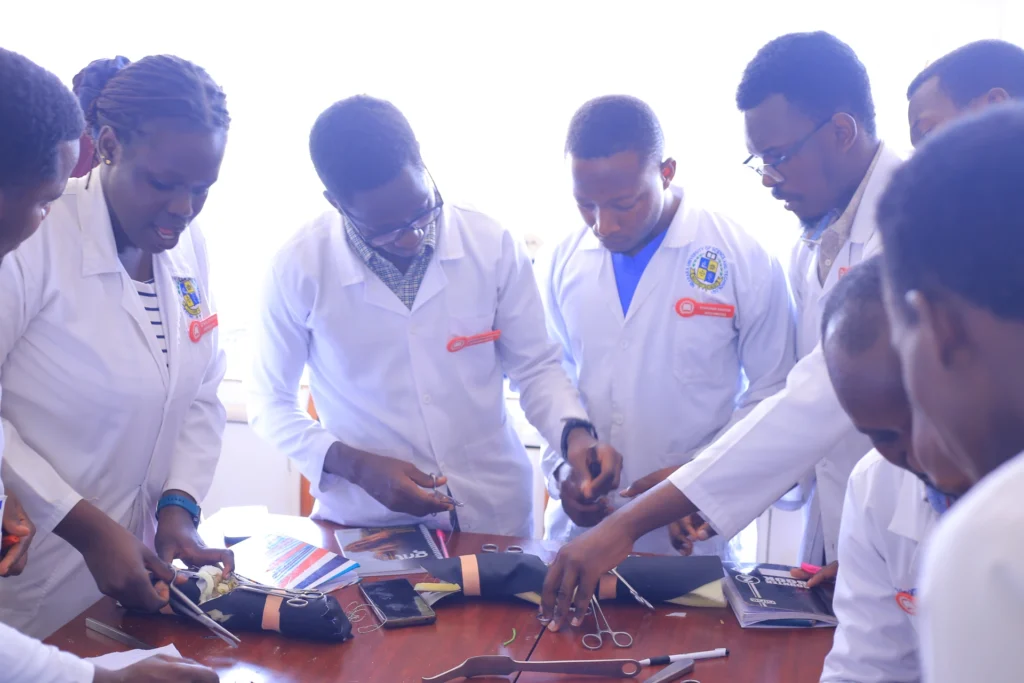
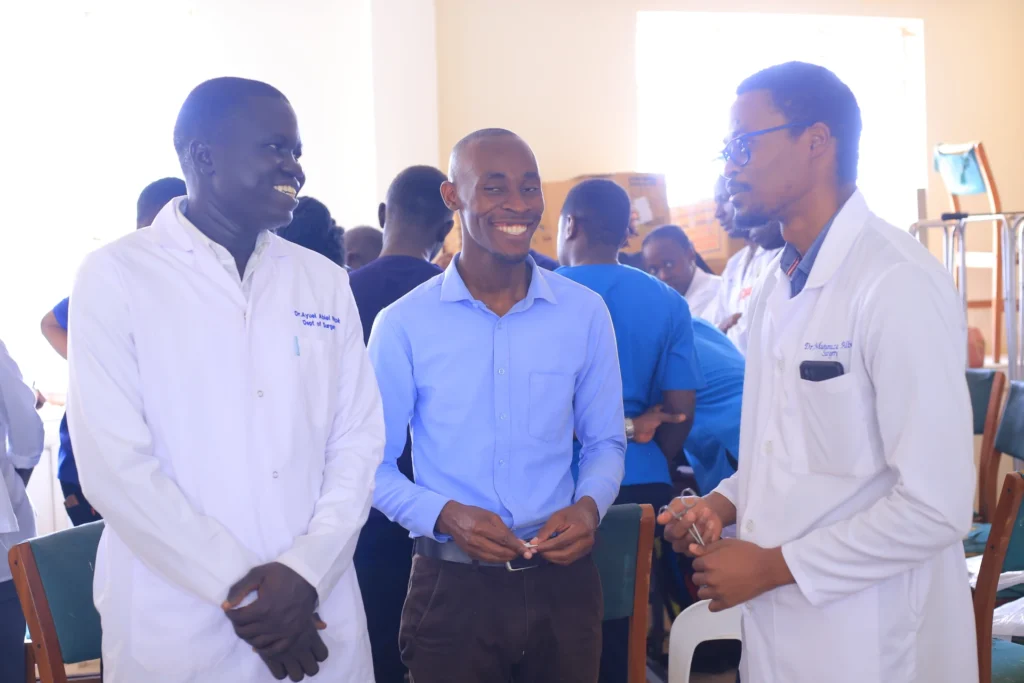
Spearheaded by the dedicated Head of the Surgery Department, Dr. Daniel K. Kisitu, an esteemed orthopedic surgeon, the training was a collaborative effort involving a team of experienced specialists from all the surgical departments, including Obstetrics and Gynaecology, Ear, Nose, and Throat, as well as Anaesthesia. All the surgeons fully participated, such as Dr. Marvin Mwesigwa, a skilled urologist; Dr. Martin Tungotyo, a meticulous plastic surgeon; and Dr. Alex, a seasoned general surgeon, all of whom contributed their expertise to ensure a comprehensive learning experience. The program’s core objective was to move beyond theoretical knowledge and cultivate practical skills that students can readily apply in their day-to-day surgical care of patients. To achieve this, students were exposed to a wide range of surgical-related scenarios and procedures, including:
Orthopedic and Trauma Management: Under Dr. Kisitu’s guidance, students learned the principles of fracture management, including reduction, immobilization, and external fixation techniques. They were exposed to the complexities of managing musculoskeletal injuries, a common presentation in trauma cases.
Urological Trauma Care: Dr. Mwesigwa provided hands-on training in managing urological injuries, encompassing the assessment and repair of renal, ureteral, and bladder trauma. Students gained experience in procedures such as cystoscopy and urethral catheterization in trauma settings.
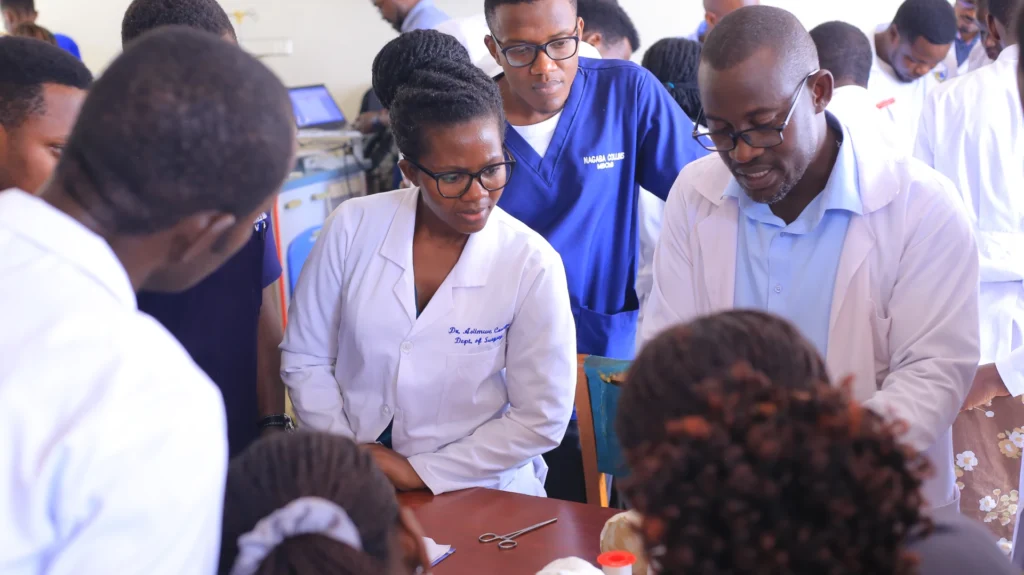
Plastic Surgery in Trauma: Dr. Tungotyo focused on the crucial role of plastic surgery in trauma, teaching students wound management techniques, including debridement, skin grafting, and flap reconstruction. Students learned to address soft tissue injuries and burns, essential skills for comprehensive trauma care.
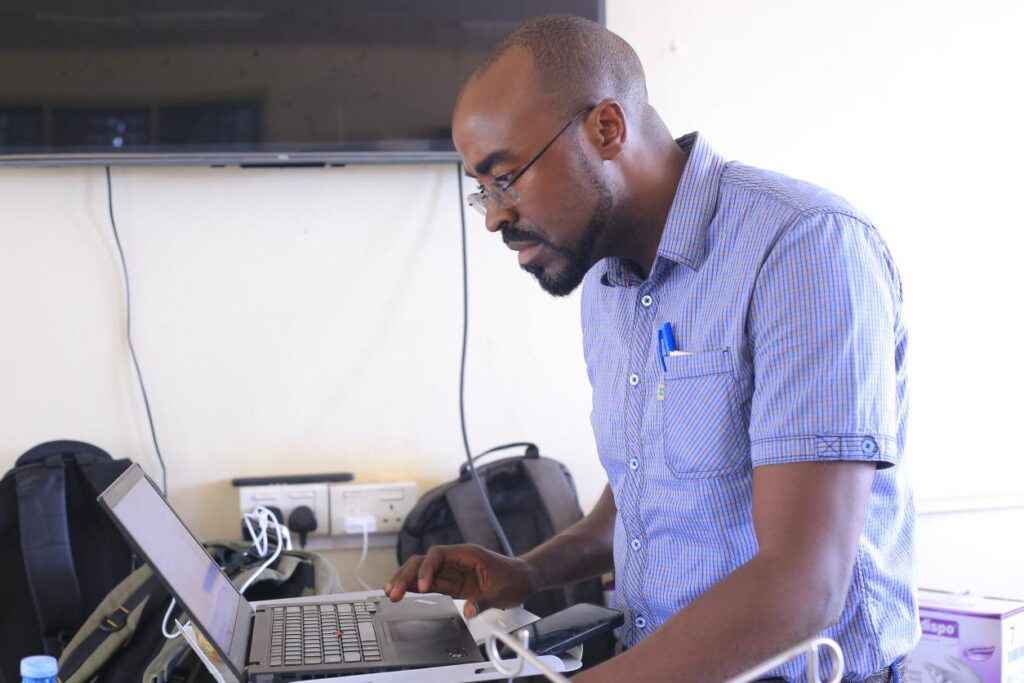
General Surgical Trauma Skills: Dr. Alex provided a broad overview of general surgical principles in trauma, covering abdominal trauma management, damage control surgery, and the management of thoracic injuries. Students were trained in critical decision-making and surgical techniques necessary for stabilizing critically injured patients.
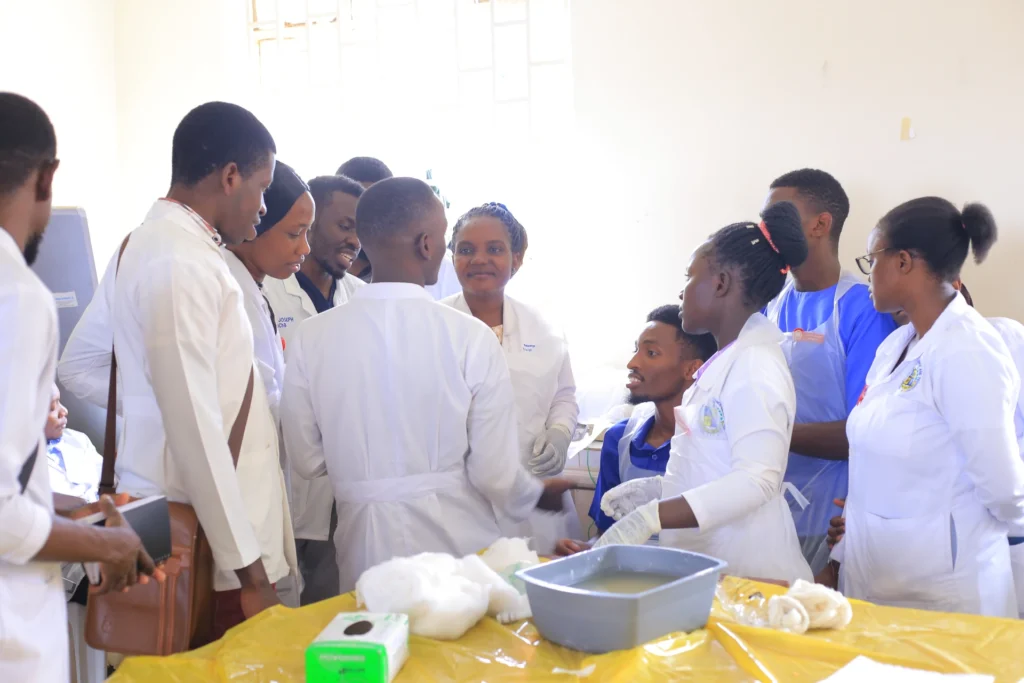
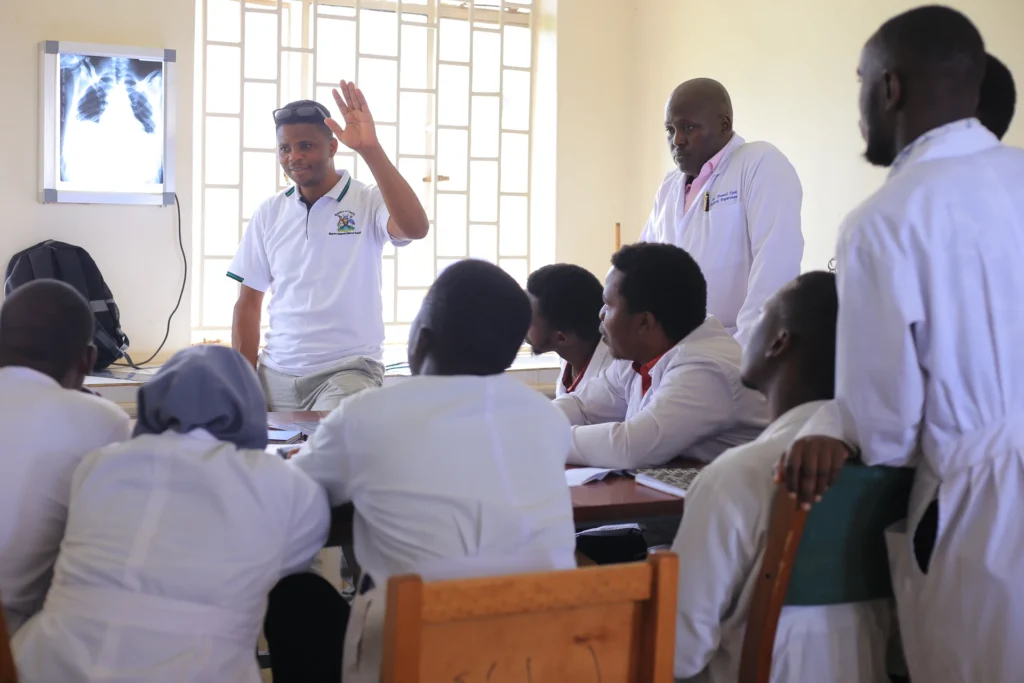
The one-week training was designed to be immersive, incorporating:

Simulation-based training: Utilizing advanced simulators to replicate real-life trauma scenarios, allowing students to practice procedures in a safe and controlled environment.

Hands-on workshops: Providing opportunities for students to perform surgical techniques on cadavers and simulation models, fostering practical skill development.

Clinical case discussions: Analyzing real-life trauma cases to enhance students' clinical reasoning and decision-making abilities.

Direct observation of surgical procedures: Allowing students to witness experienced surgeons performing complex trauma surgeries, providing valuable insights into surgical techniques and patient management.
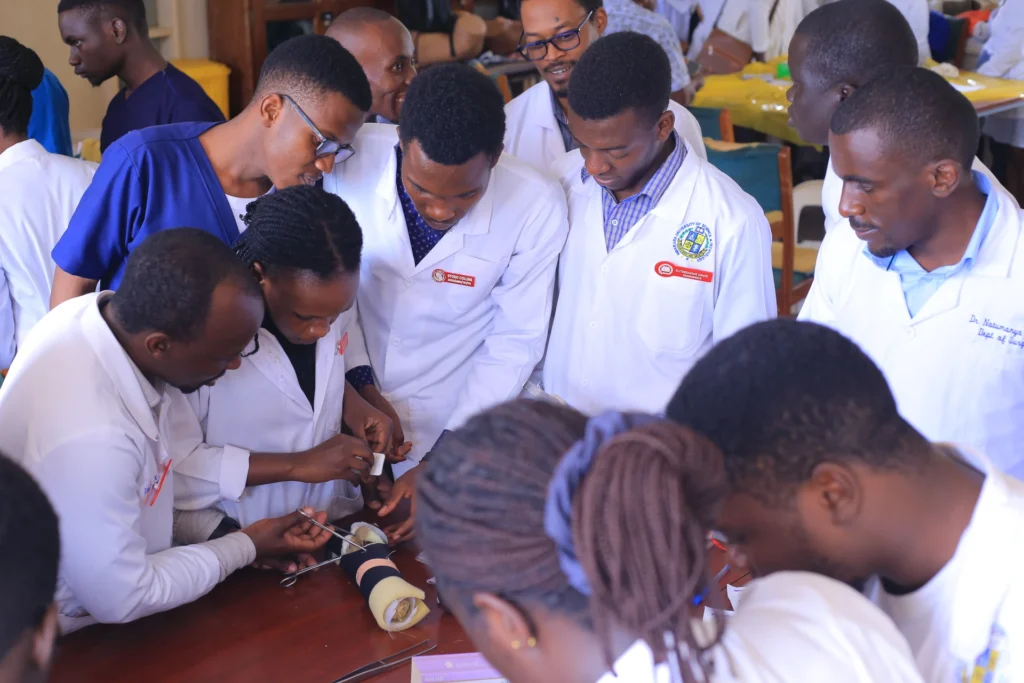
Reach out to Obstetrics and Gynaecology and Anaesthesia to check out their contributions.
Dr. Kisitu said that by providing this intensive, hands-on training, MUST aims to produce competent and confident surgeons capable of effectively managing surgical cases, ultimately contributing to improved patient outcomes in the region. This program underscores MUST’s commitment to providing high-quality surgical education and fostering the next generation of skilled surgeons.