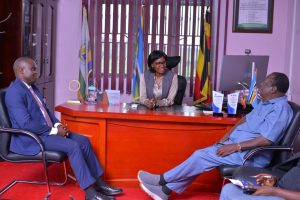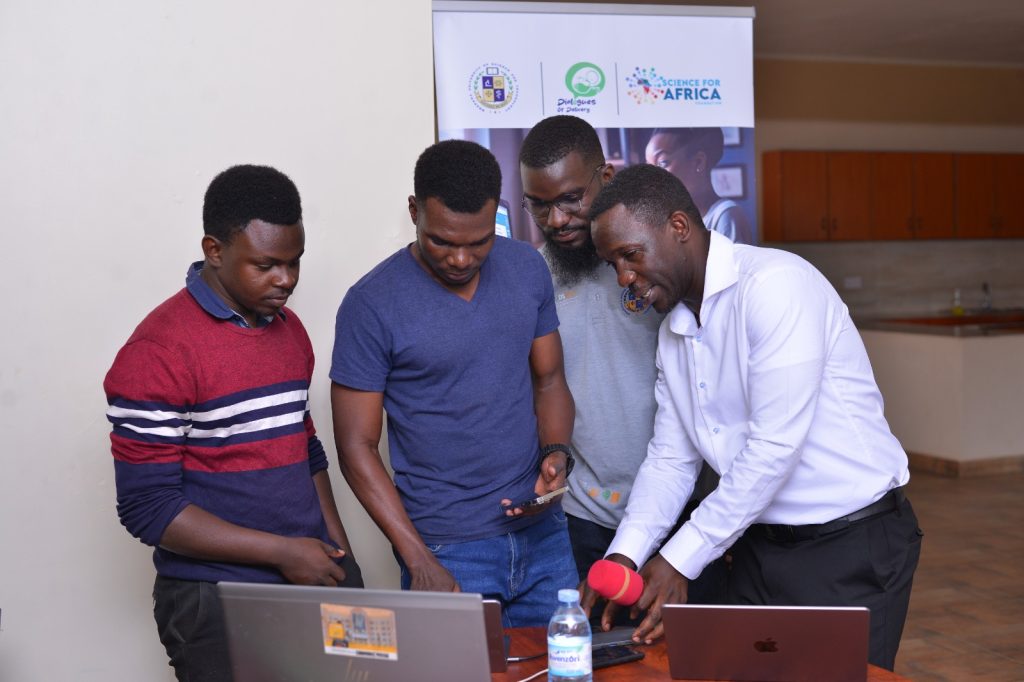
MUST has successfully concluded its pioneering project leveraging Artificial Intelligence (AI) to transform maternal healthcare. The initiative, focused on developing and deploying localized Large Language Models (LLMs), has achieved its goal of improving health outcomes for mothers and babies, particularly in underserved communities.
Driven by a vision to “transform maternal healthcare via localized LLMs,” the project addressed critical challenges like data scarcity and AI equity. Its robust mixed-methods approach combined quantitative surveys with qualitative interviews and focus group discussions. A diverse group of 150 participants including pregnant women, mothers, social and healthcare workers contributed invaluable data, which was complemented by extensive secondary research.
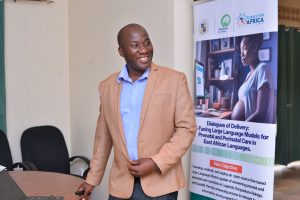
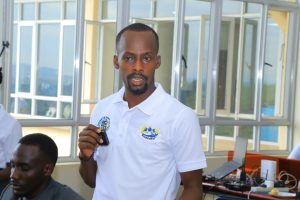
“We started with a dream, and today, we’ve delivered hope and innovation,” remarked Dr. Fred Kaggwa,the PI during the closing ceremony. He expressed profound gratitude to the pregnant women, mothers, social & healthcare workers, the dedicated project team, and the funders.
Key Achievements and Lasting Impact
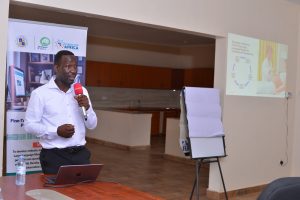
The project leaves behind a remarkable legacy of accomplishments:
- Ethical and Administrative Excellence: The project secured essential ethical approvals from MUST REC/UNCST, ensuring seamless data work and adherence to high ethical standards throughout its duration.
- Community Engagement Success: Two stakeholder engagement sessions provided crucial feedback, which led to refined features and bias checks that ensured the AI tools were culturally relevant and user-friendly.
- Accessible Technology: A user-friendly web and mobile platform was developed and deployed.
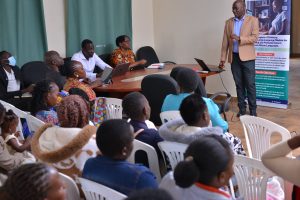
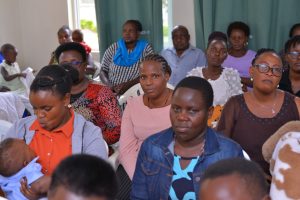
- Multilingual LLM Development: A specialized LLM for maternal healthcare was successfully developed in three local languages (English, Runyankore-Rukiga, Luganda and Swahili), making crucial health information more accessible to a wider audience at any time.
- Data Generation Breakthrough: The team exceeded data targets, creating a first-of-its-kind maternal healthcare dataset for local languages. Secondary data was doubled to 50,000 sentences, and an impressive 3,700 parallel primary sentences were collected in four languages (English, Runyankore-Rukiga, Luganda and Swahili). Participant recruitment saw a 300% overachievement, engaging 150 individuals against a target of 50.
- Capacity Building & Recognition: Beyond its technical achievements, the project fostered significant professional growth. A team member secured a postdoc and promotion, while the Principal Investigator was elected Dean and an AI curriculum lead. The initiative also garnered recognition with a prestigious NCHE exhibition nomination and invites to AI symposiums.
A lasting Call to Action for a healthier future
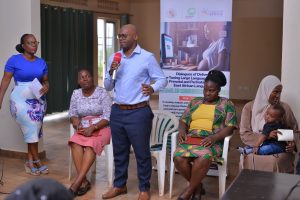
While the project may be officially concluded, its findings and tools provide a clear Call to Action for a healthier future:
- Funders (Science for Africa Foundation): The project’s success is a testament to the value of structured AI grantee networks and justifies the need for follow-on grants to build upon this momentum.
- Academic Institutions: Urged to support AI curricula and integrate these innovative tools into their training programs for future healthcare professionals.
- Policymakers (Ministry of Health): The Ministry is called upon to adopt the project’s model as a vital component of the national health strategy.
- Healthcare Providers: Invited to continue participating in pilot deployments of the tools, ensuring their practical application and oversight.
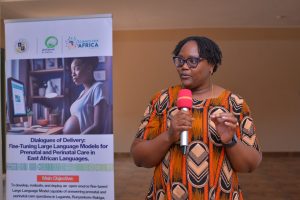
Ms. Doris Wangari, Senior Programme officer from the Science for Africa Foundation highlighted the organization’s commitment to building AI infrastructure across Africa, noting that this project, one of 17 supported by SFA, directly addresses the “many barriers to women” in healthcare.
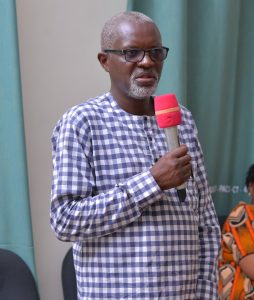
Reflecting on the progress, Dr. Gad Ruzaza noted the significant evolution from basic phone call centers to sophisticated mobile handsets, emphasizing how “things have greatly changed.” Proposals from the engagement sessions underscored the importance of democratizing health information, with suggestions for “everyone to be a Health Reporter” and prioritizing actions that “make the life of a Common person better.”
MUST extends her profound gratitude to all stakeholders; MIT(USA), Handong Global University (South Korea), Science for Africa Foundation, and the communities whose participation made this transformative project possible. This initiative truly exemplifies MUST’s dedication to leveraging cutting-edge research for tangible societal benefit and sets a high bar for future projects.