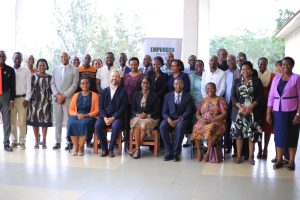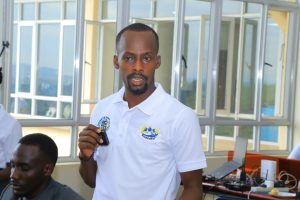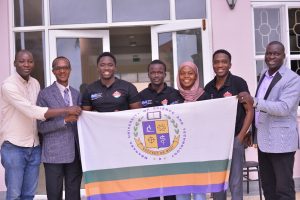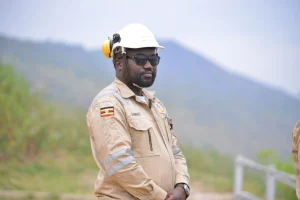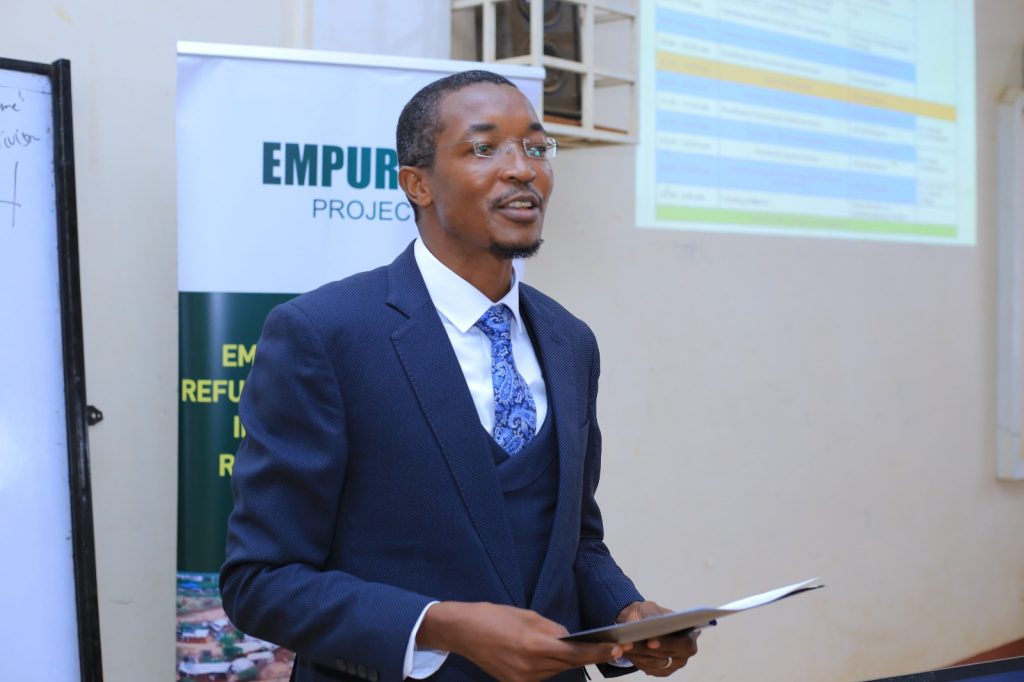
Mbarara University of Science and Technology (MUST)in the Faculty of Interdisciplinary Studies recently hosted transformative research ‘masterclasses under the EMPURECO Project (Empowering Ugandan Refuge–host Communities in becoming climate resilient). The one-day ‘masterclasses aimed at bringing an intensive overview of the different methodological approaches for research, with a specific attention to mixed methods to improve or refresh the participants’ methodological toolkits. A number of research methodologies including but not limited to: epistemological approaches of research, research design: when to use qualitative and quantitative research, quantitative research approaches –probabilistic sampling, and robust survey data, ‘multi-criteria analysis, cost-effectiveness and cost-benefit analysis’, water testing: important parameters, rationale, and approaches, were introduced and discussed. This highly interactive session brought together postgraduate students, early-career researchers, and lecturers at MUST.
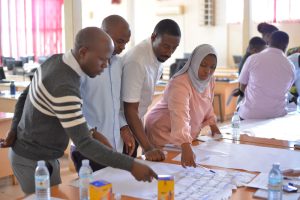
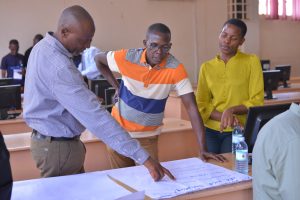
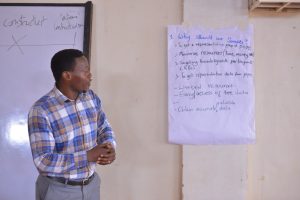
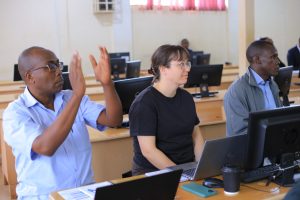
Day 1: Staff and Postgraduate students during the mix method methodology Training
Organized under the VLIR-UOS–funded EMPURECO Project, a five-year partnership (2024–2029) between the University of Antwerp (UA) and MUST, the project is supporting the training of 2 students at PhD level (one natural science, and one social science), and 1 student at MSc level, as part of a broader initiative to build research capacity and promote climate resilience within Uganda’s refugee-hosting communities.
In his opening remarks, Dr. Ronald Twongyirwe, the Principal Investigator of the EMPURECO Project, emphasized the need for researchers to develop robust methodological skills that allow for a deeper understanding of complex real-world challenges. He noted that mixed methods research helps bridge the gap between numbers and narratives, thereby improving the quality and relevance of scientific evidence for policy and practice.


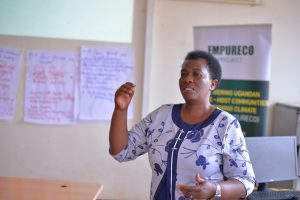
Dr. Specioza Twinamatsiko, the Co–Principal Investigator, introduced participants to epistemological and philosophical foundations in research, explaining how researchers’ worldviews influence their methodological decisions. Her engaging session encouraged participants to reflect on their positionality, research assumptions, and the implications these have on data interpretation.
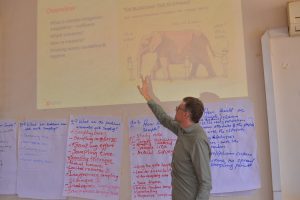
Prof. Kristof Titeca from the University of Antwerp, who also serves as Vice-Dean of Research at the Institute of Development Policy (IOB), guided participants through key principles of research design. He explained essential concepts such as ontology, epistemology, philosophical paradigms, and methodological strategies, while distinguishing between qualitative, quantitative, and mixed methods approaches. Prof. Titeca underscored the importance of flexibility and creativity in research design, especially in interdisciplinary and community-based studies.
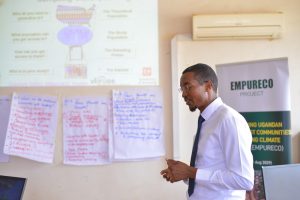
Building on this foundation, Dr. Twongyirwe facilitated a hands-on session on sampling and quantitative research approaches, during which participants were grouped to design and critique sampling frameworks based on real research scenarios. The interactive nature of the session enabled participants to apply theoretical concepts to practical situations, enhancing their confidence in conducting field-based studies.
Complementing this, Dr. Jan Cools, Research Manager at the Institute of Environment and Sustainable Development at the University of Antwerp, shared his expertise on multi-criteria analysis, cost-effectiveness, and cost-benefit analysis. Drawing from international experiences in environmental management and climate adaptation, Dr. Cools demonstrated how rigorous research can inform evidence-based decision-making and sustainable policy development.
Dr. Jeninah Atwebembeire expanded the scope of the discussions with a practical session on water testing, introducing participants to key parameters and analytical techniques essential for environmental and health research. Her session highlighted the importance of linking academic research to community-oriented outcomes.
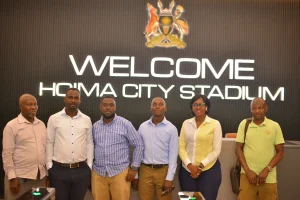
The Project also held a multi-stakeholder kick-off meeting the following day. The aim of this meeting was to bring together stakeholders working with refugees and host communities in Uganda, to stimulate discussion around environmental degradation and climate change, and how new evidences could be utilized to empower refugees and host communities, and, 2) to receive stakeholders’ feedback on the project, create buy-in, critique the scientific approaches, and be part of the solution going forward, via the multi-stakeholder platform, for continuity beyond the lifetime of this project.
Participants expressed appreciation for the training, describing it as both insightful and empowering. One participant noted, “This training helped us see how research can directly address community challenges. The facilitators made complex topics easy to understand and relevant to our context.” Another participant added that the sessions improved their ability to design comprehensive research projects and communicate findings effectively.


The success of this training reflects MUST’s continued dedication to nurturing a new generation of researchers equipped with the knowledge and skills to conduct rigorous, interdisciplinary, and socially relevant research. Through initiatives like EMPURECO, the university continues to strengthen its role as a regional hub for research and innovation that transforms communities and supports sustainable development.
The multi-stakeholder platform fostered engagement, bringing together government representatives, non-governmental organizations, development partners, and academics to exchange ideas on strengthening resilience among refugee and host communities. This engagement provided valuable feedback on the ongoing EMPURECO project activities and encouraged collaboration in addressing challenges related to environmental degradation, climate change, and displacement.
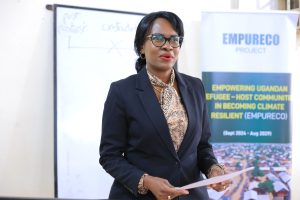 In her remarks, Professor Pauline Byakika-Kibwika, the Vice Chancellor of MUST, commended the EMPURECO partnership for its contribution to advancing research excellence and community engagement. She reaffirmed the university’s commitment to fostering collaborations that produce solutions to pressing national and global challenges.
The EMPURECO Project team comprises Dr. Ronald Twongyirwe (Principal Investigator), Dr. Specioza Twinamatsiko (Co–Principal Investigator), Dr. Nelson Ndugu from Makerere University, and Dr. Frank Ahimbisibwe from MUST, alongside colleagues from the University of Antwerp (Prof. Kristof Titeca, Dr Jan Cools, and Prof Joans Schoelynck).