Mbarara University of Science and Technology (MUST), under the Faculty of Interdisciplinary Studies, has launched the “CONNECT” Project to empower adolescent Sexual and Reproductive Health and Rights (SRHR) in refugee and host communities in Southwestern Uganda, starting with the Isingiro District.
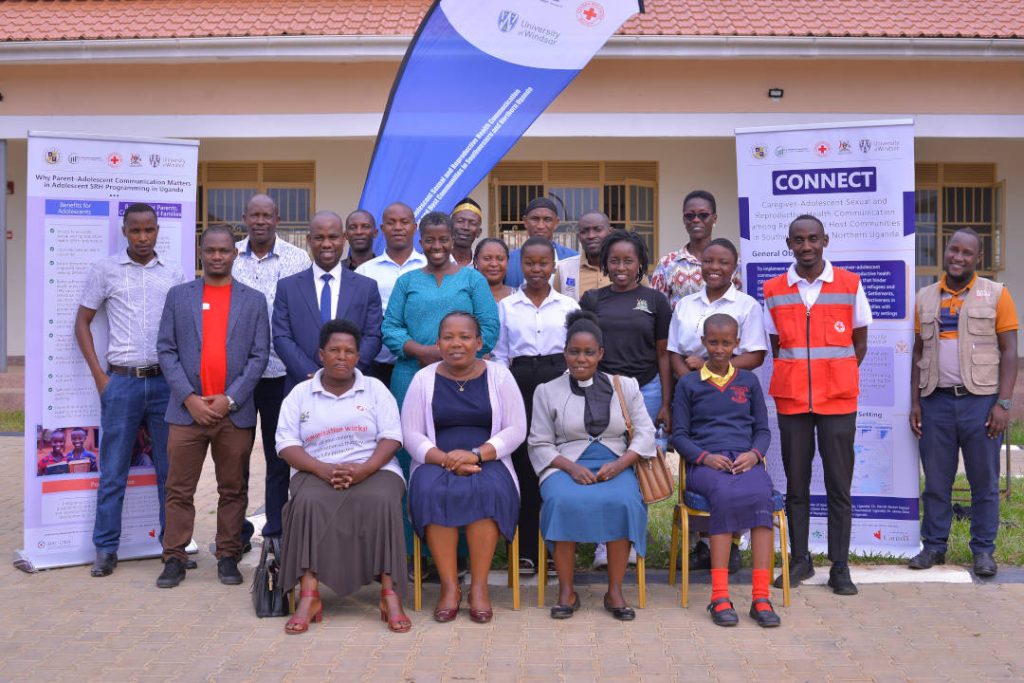
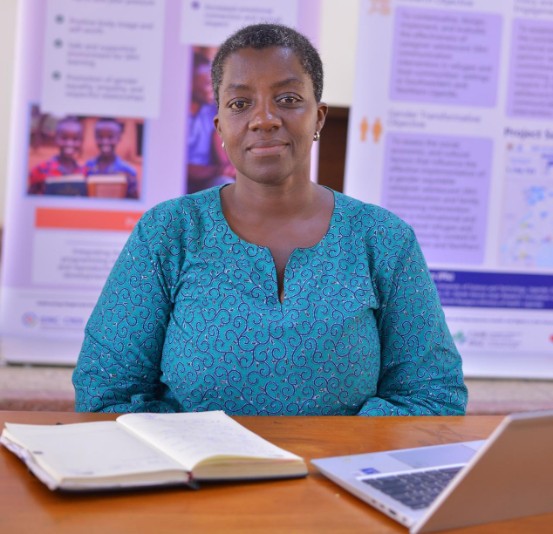
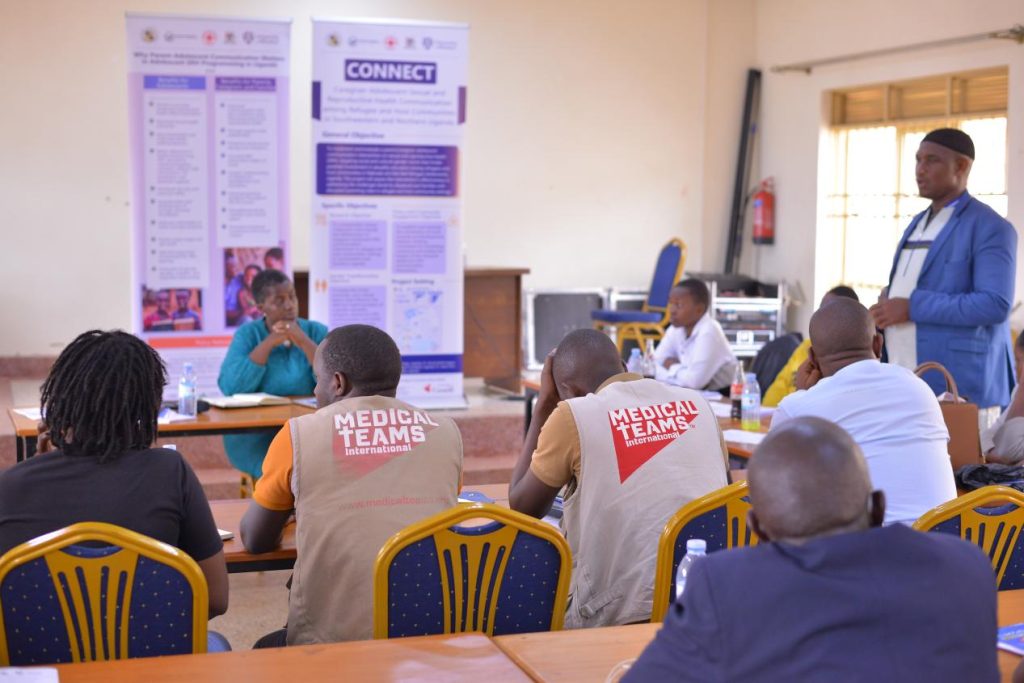
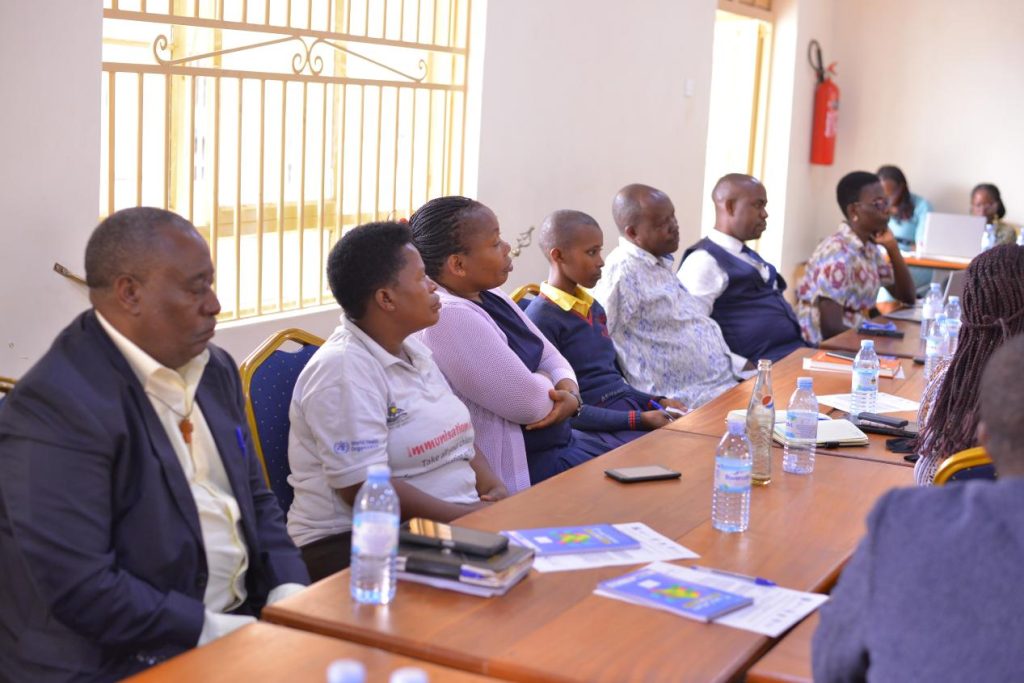
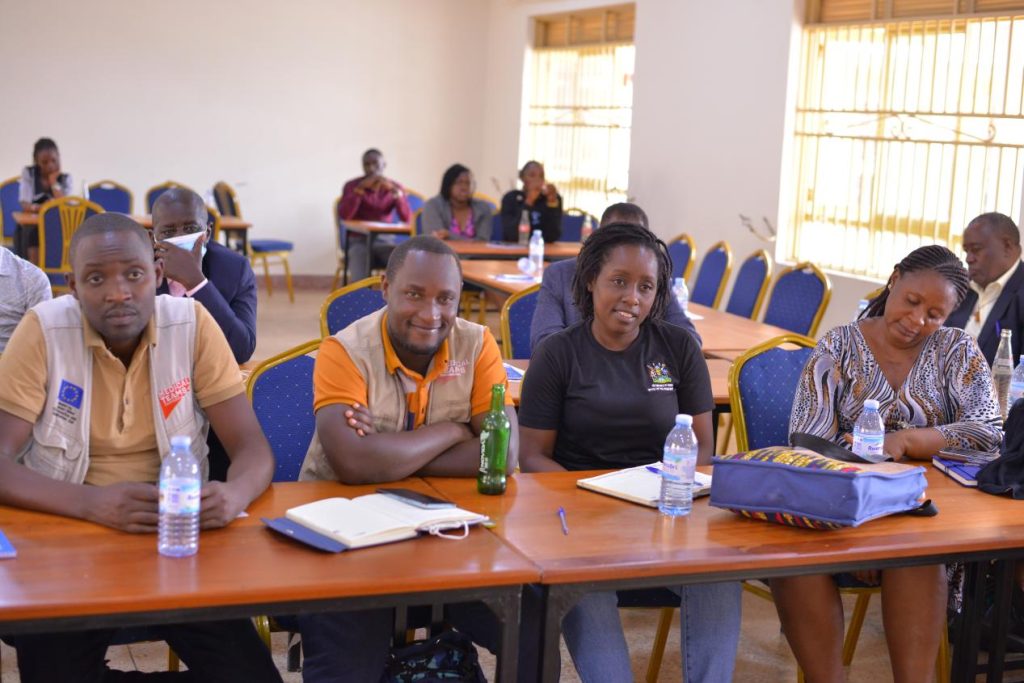
With the assurance of cooperation from community leaders, a foundational meeting was held with various stakeholders who directly engage with adolescents. This collaborative effort, chaired by the Principal Investigator, Dr. Viola Nyakato, allowed members to share their opinions on how best to handle the project with full commitment and ownership. This collaboration has led to the formation of a Community Advisory Board (CAB) to guide the project’s implementation.
Stakeholder Engagement and Roles
The success of the “CONNECT” Project hinges on the active participation and insights of key community representatives. Here’s how each group will contribute:
1. Adolescents
Adolescents are at the heart of this project. Their direct involvement ensures that the SRHR initiatives are truly relevant to their lived experiences, addressing their fears, expectations, and the communication gaps they face with caregivers. By promoting youth participation and ownership, the project aims to empower young people to value and engage in open, respectful conversations about sexuality, consent, relationships, and bodily changes. This approach ensures the project reflects the real SRHR concerns and needs of young people in displacement and crisis settings.
2. Religious Leaders
Religious leaders play a crucial role in shaping moral values, parenting norms, and community attitudes toward sexuality. Their engagement is vital to ensure that SRHR communication is promoted in a way that respects faith while prioritizing adolescent health. Their involvement will help reduce resistance by aligning project messaging with religious teachings where possible, thereby influencing community acceptance and support.
3. Cultural Leaders
Cultural leaders are instrumental in shaping traditions related to gender roles, expectations, family honor, and intergenerational interactions. Their role is to support the transformation of harmful norms while affirming those that protect and empower. They will provide context-specific guidance on traditional approaches to SRHR communication and identify areas where change is needed. Their support is critical in challenging the silence, shame, and gender-based taboos often associated with sexuality.
4. Parents
As primary agents of SRHR communication within the home, parents’ inclusion is essential. Their input will ensure that the tools and approaches developed are practical, culturally sensitive, and emotionally grounded in the refugee and host family contexts. Parents will have the opportunity to reflect on their own challenges, fears, and knowledge gaps in SRHR, which will help shape supportive training for other parents. The aim is to encourage parents to model courageous, loving, and informed SRHR dialogue in their families, shifting away from silence or fear-based approaches.
5. Community Leadership
Community leaders provide crucial administrative backing, ensure alignment with refugee governance structures, and facilitate local buy-in for SRHR interventions. They will support the integration of SRHR communication into broader community development and protection initiatives. Their role includes providing logistical access, legitimacy, and policy alignment across diverse ethnic, religious, and national groups within the camps and host areas. They will also be instrumental in responding to emerging challenges in implementation and helping to resolve tensions related to SRHR taboos, misinformation, or cultural resistance.
Community Advisory Board (CAB) Responsibilities
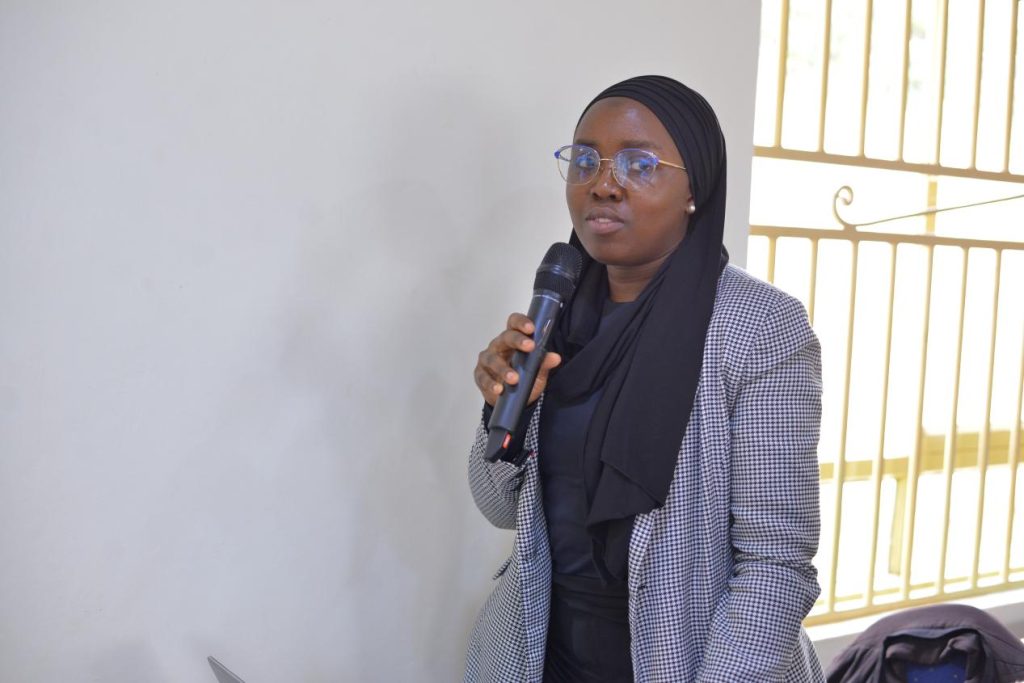
The newly formed Community Advisory Board (CAB) will be central to the successful implementation of the “CONNECT” Project. Their responsibilities will include:
- Providing strategic guidance and oversight to ensure the project remains aligned with community needs and cultural sensitivities.
- Facilitating communication and collaboration between the project team and the various community stakeholders.
- Advising on culturally appropriate messaging and delivery methods for SRHR information.
- Mobilizing community members for project activities and fostering active participation.
- Monitoring project progress and providing feedback for continuous improvement.
- Addressing and resolving any challenges or resistance that may arise during implementation.
- Advocating for the sustainability of SRHR interventions within the community beyond the project’s duration.
The “CONNECT” Project’s success hinges on this collaborative approach, ensuring that SRHR interventions are not only effective but also deeply rooted in the unique social and cultural fabric of the refugee and host communities in Southwestern Uganda.