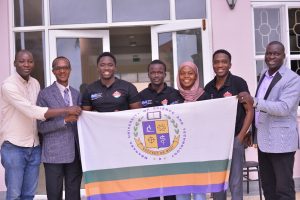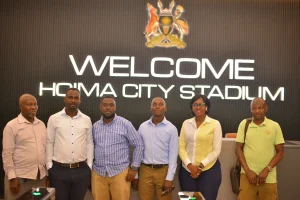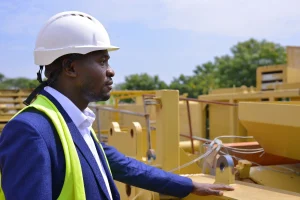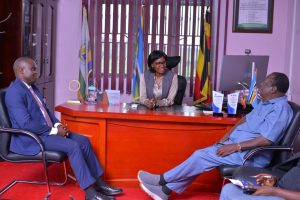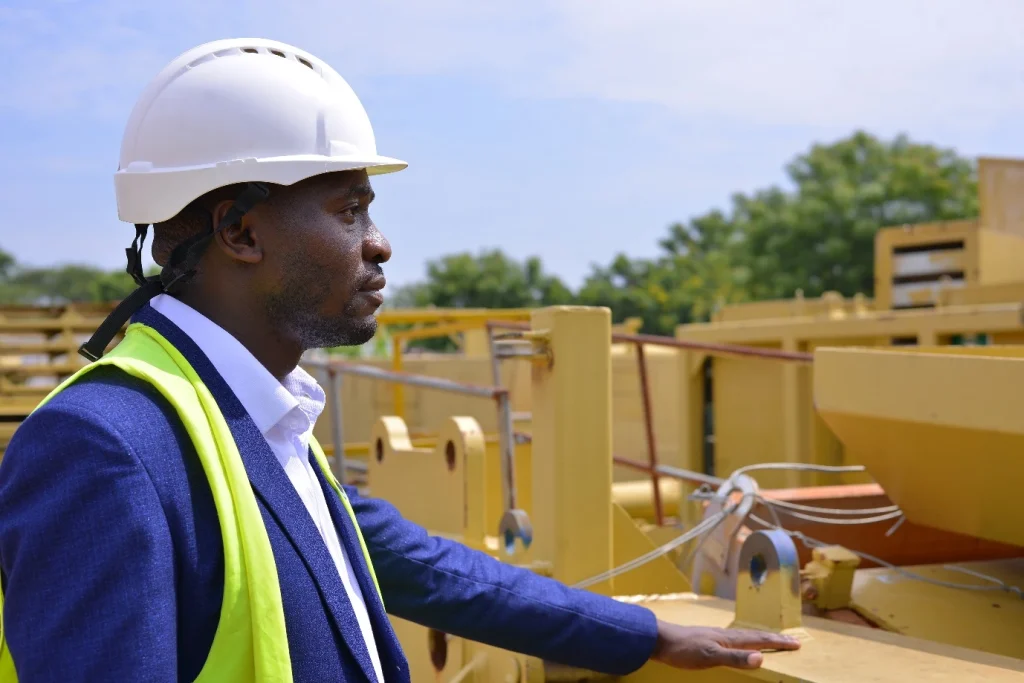
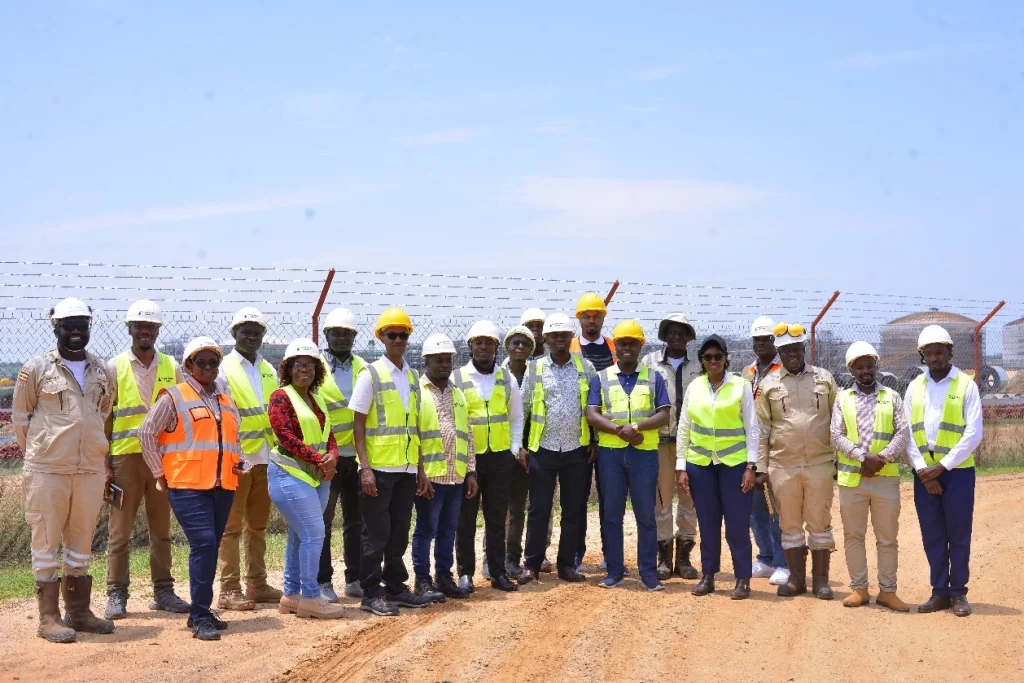
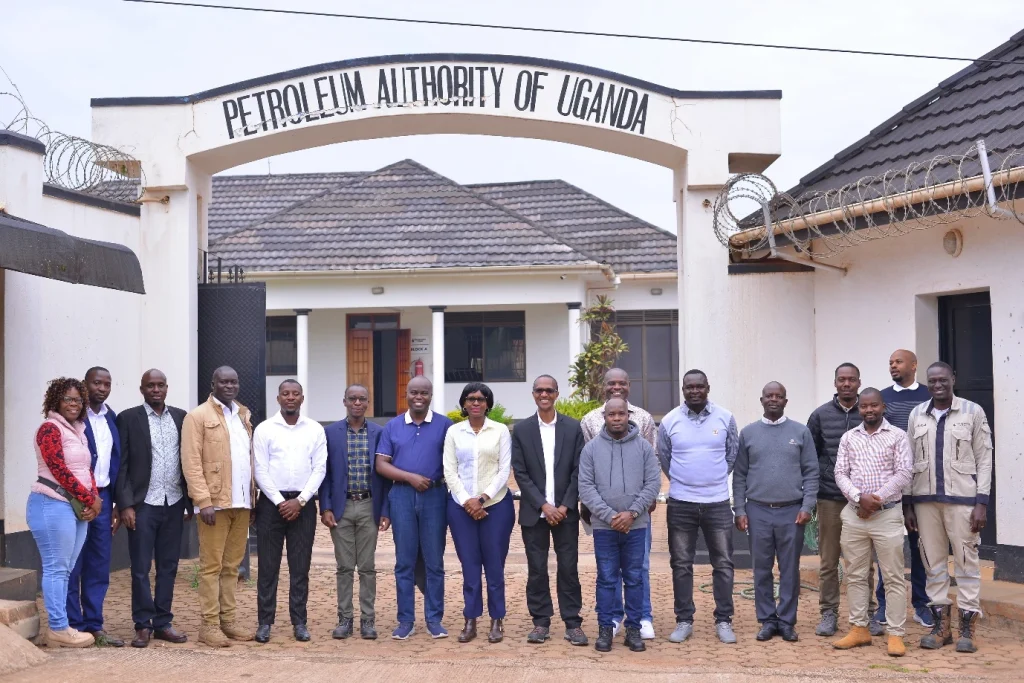
In a significant move to bridge the gap between “Classroom to Industry,” the Top Management of Mbarara University of Science and Technology (MUST), alongside the Faculty of Applied Sciences and Technology (FAST), recently concluded a high-level strategic engagement with the Petroleum Authority of Uganda (PAU). This was from 18th March,2026- 20th March,2026. Kindly receive the details of day 1.
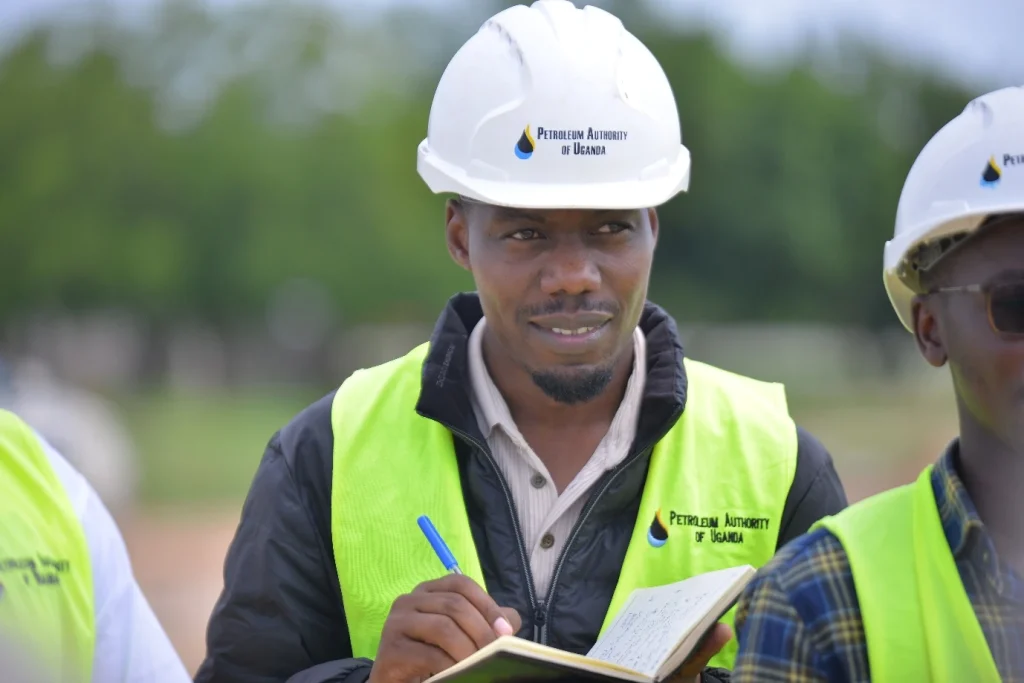
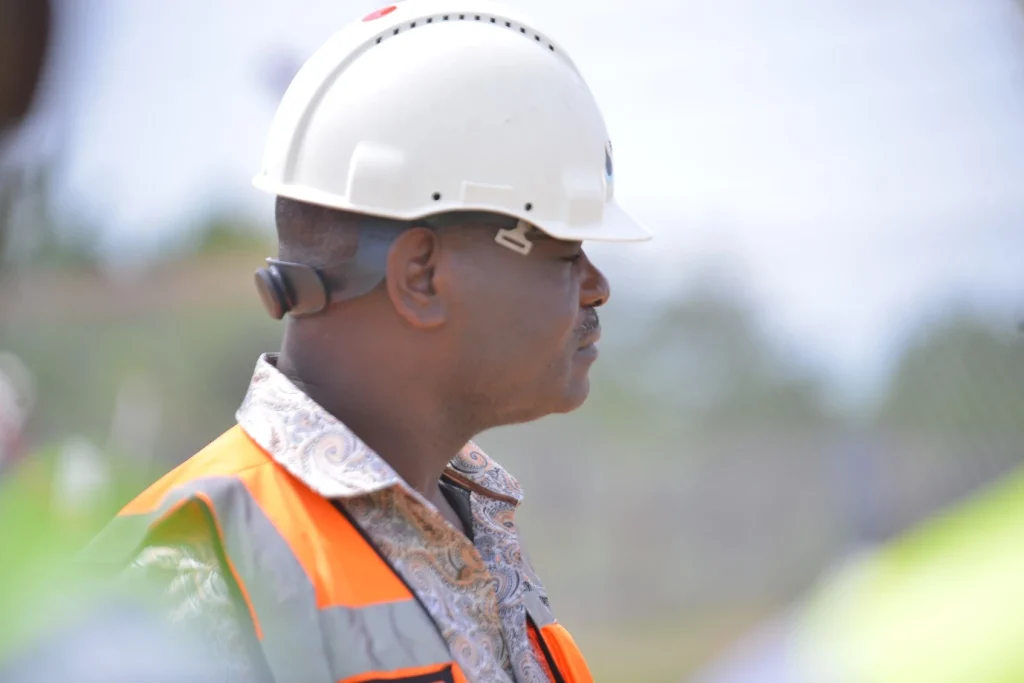
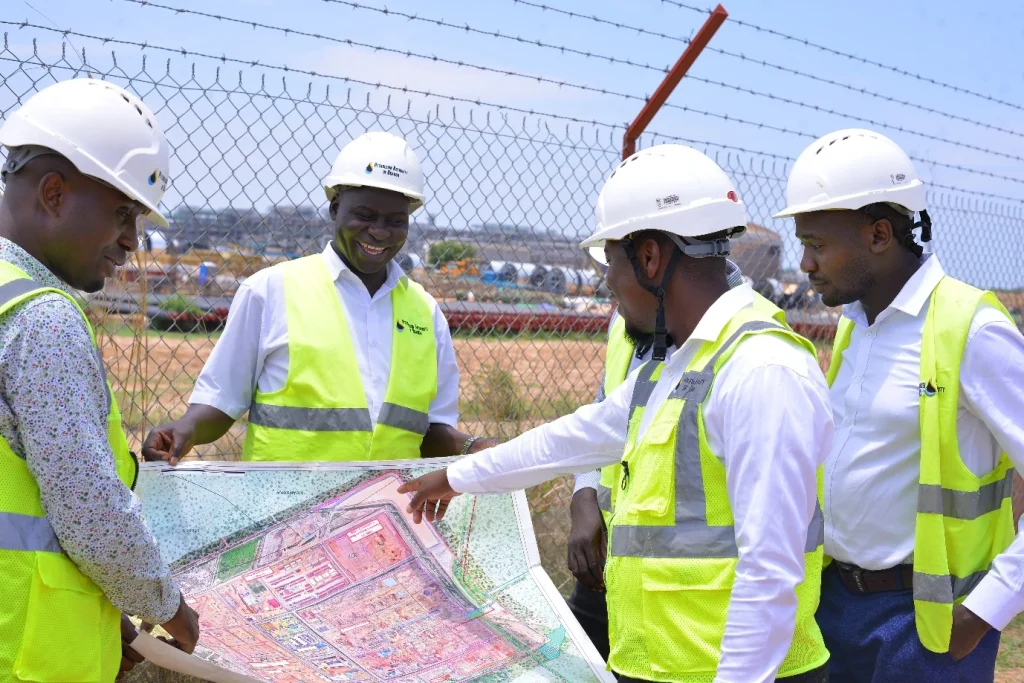
The visit focused on exploring mutual opportunities within Uganda’s burgeoning oil and gas sector, specifically deep-diving into the technical frontiers of the Tilenga Project.
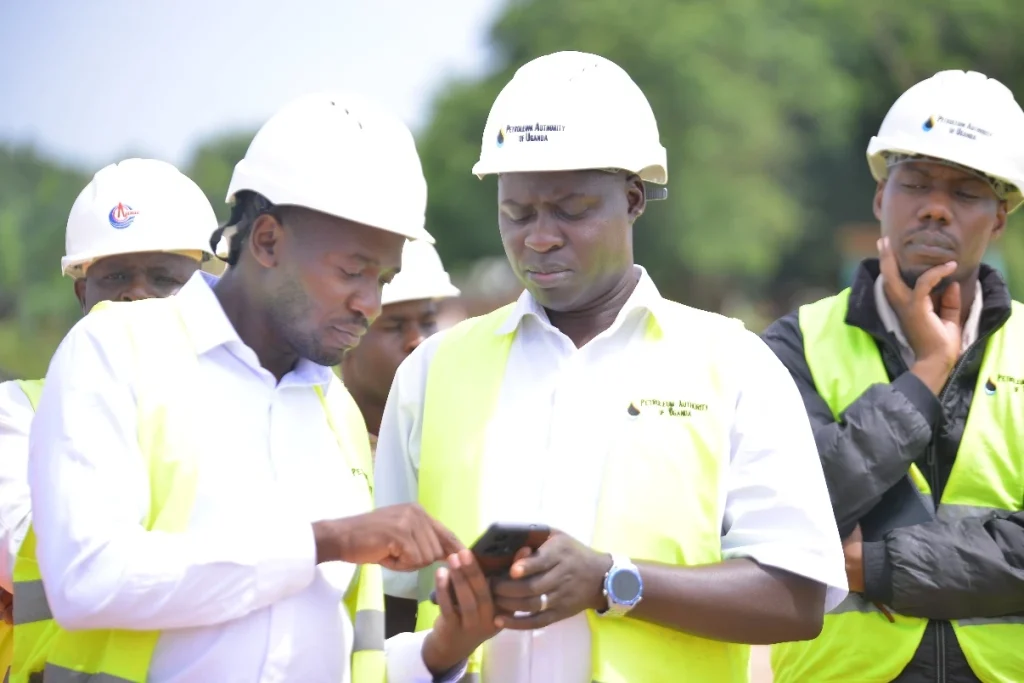
Deep-Diving into the Oil Frontier: The MUST team, led by university leadership and Eng. Farad Sagala, the Team Lead from FAST, engaged with Eng. Michael Okello of PAU. The discussions centered on the immense technical scale of the Tilenga Project.
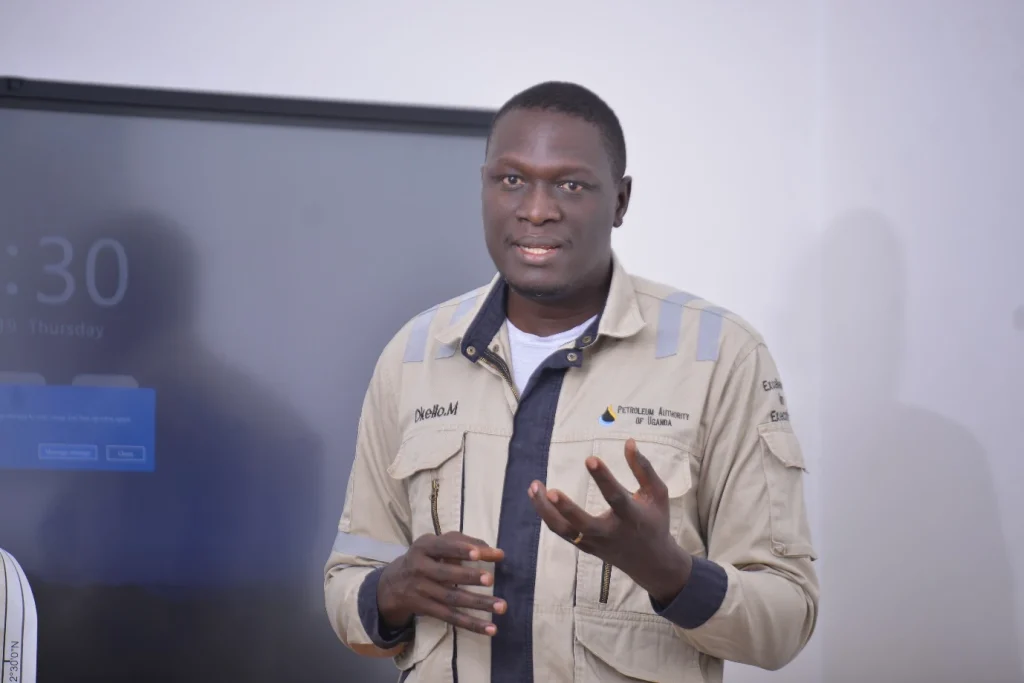
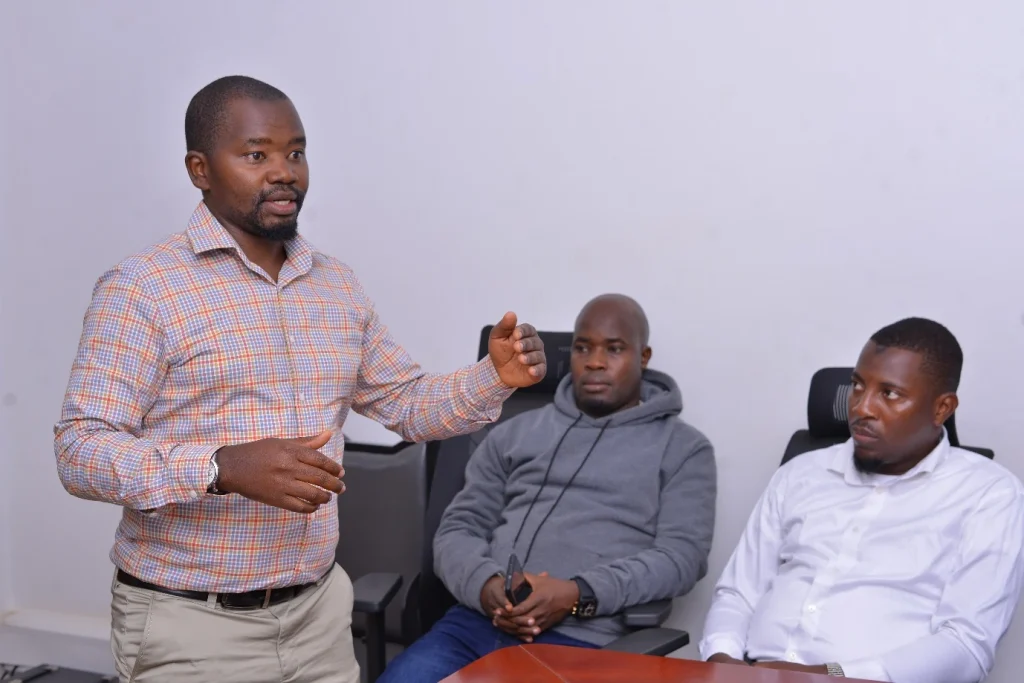
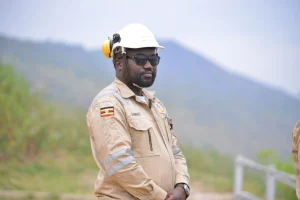
Eng. Okello shared vital insights into the Central Processing Facility (CPF) at Kasinyi village, Ngwedo-county , Buliisa District , which is projected to process a staggering 190,000 barrels of oil per day at peak production. The delegation was briefed on the drilling progress involving over 400 wells across 31 well pads, including the sophisticated use of horizontal drilling beneath the Victoria Nile a technical feat designed to protect the delicate environment while connecting northern and southern fields.
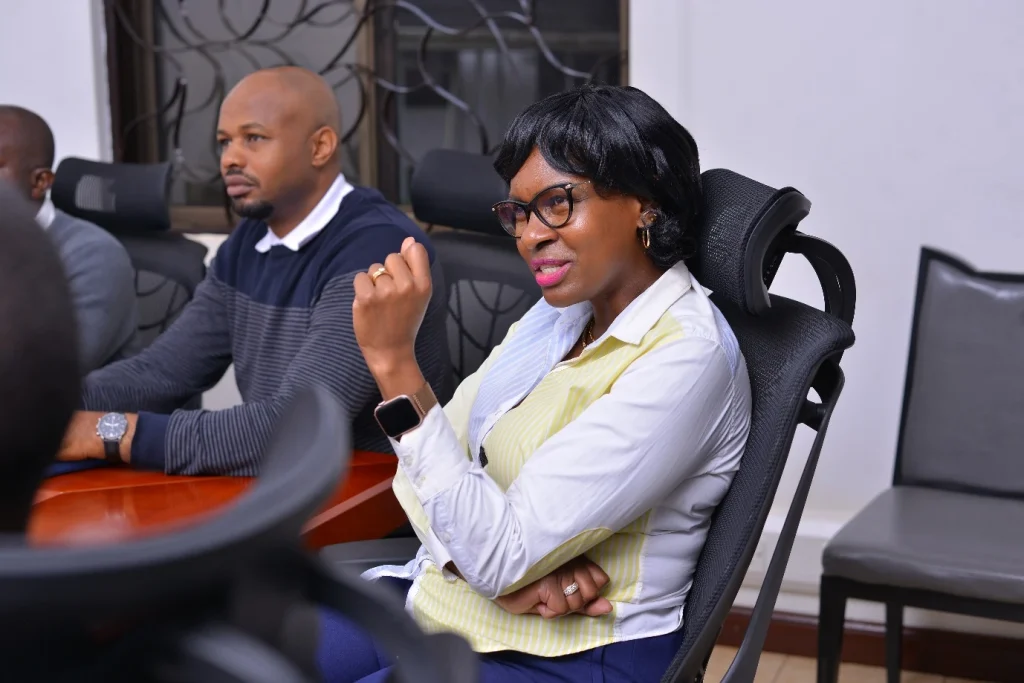
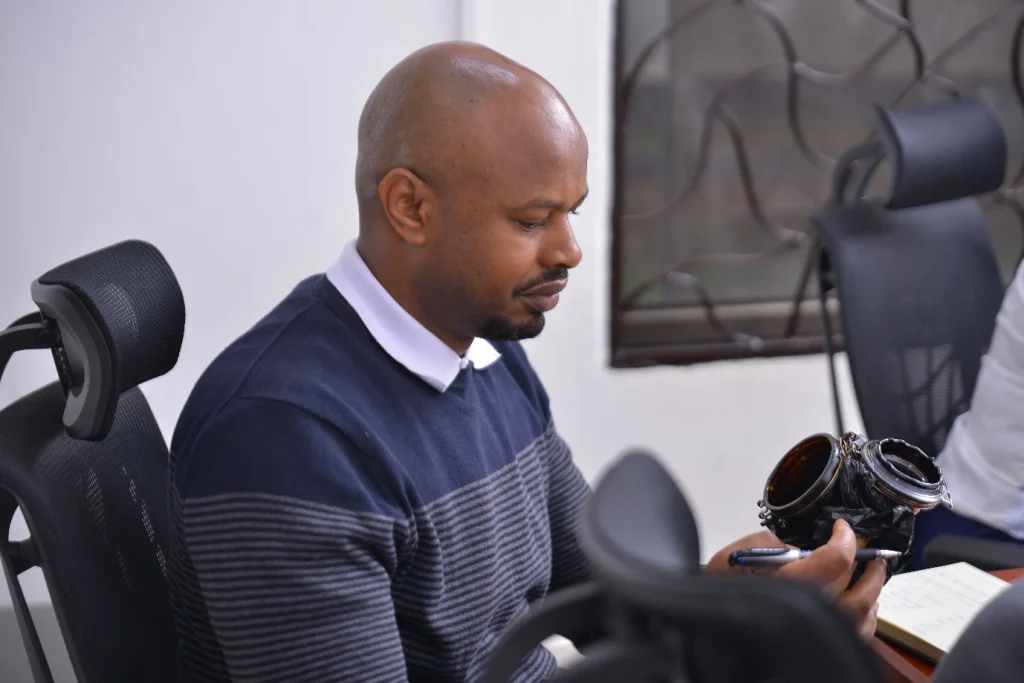
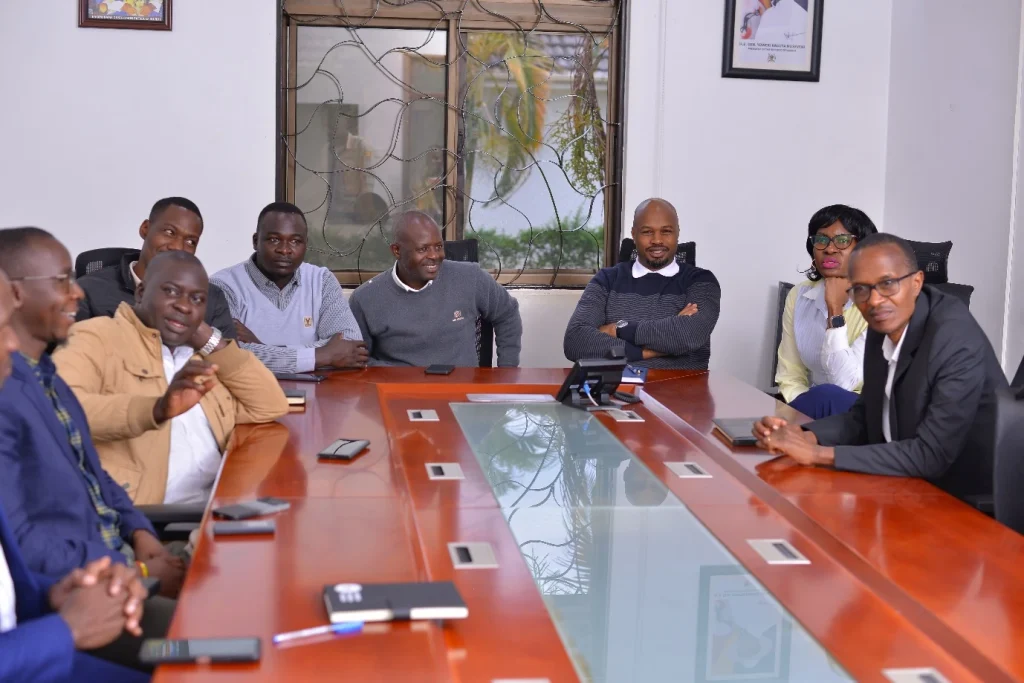
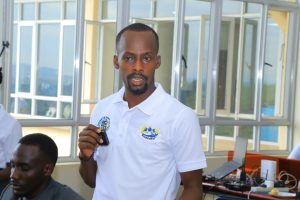
Showcasing MUST’s Expertise: The engagement was not just a learning mission but a platform for MUST to demonstrate its research prowess. Eng. Farad Sagala shared ground breaking methods on using Polymers and Surfactants to enhance oil recovery (EOR). This research, discussed alongside Eng. Mumbere Yasin, showcases how MUST’s expertise is set to optimize Uganda’s oil production. By analyzing the evolution of drilling from the historic sites of 2006 to the advanced infrastructure of 2026, MUST is positioning itself as a key academic partner in sustainable energy management.
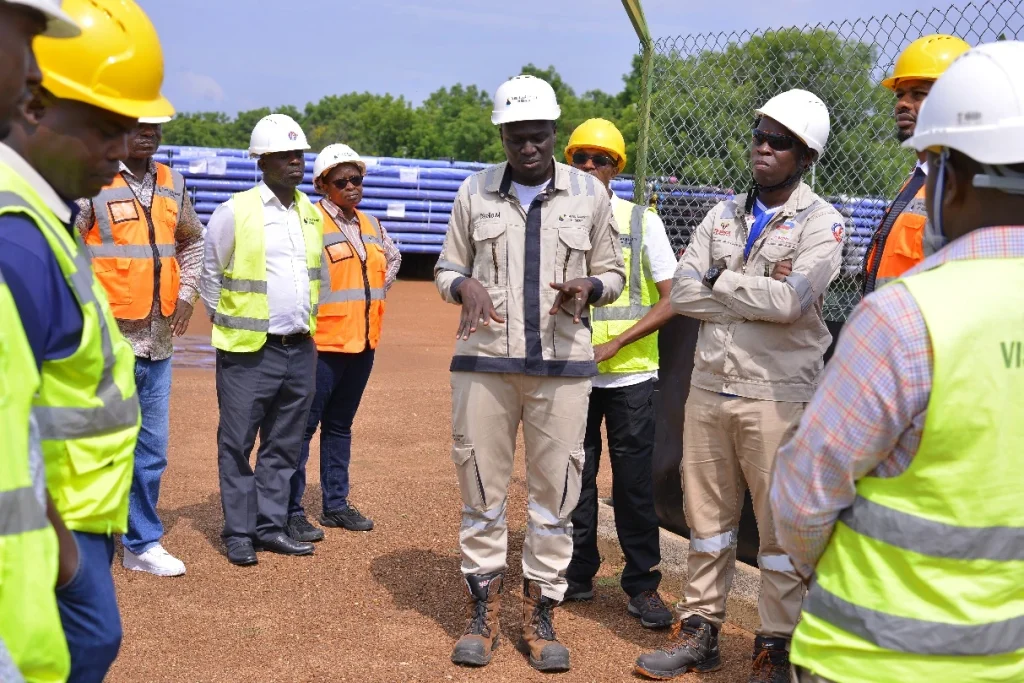
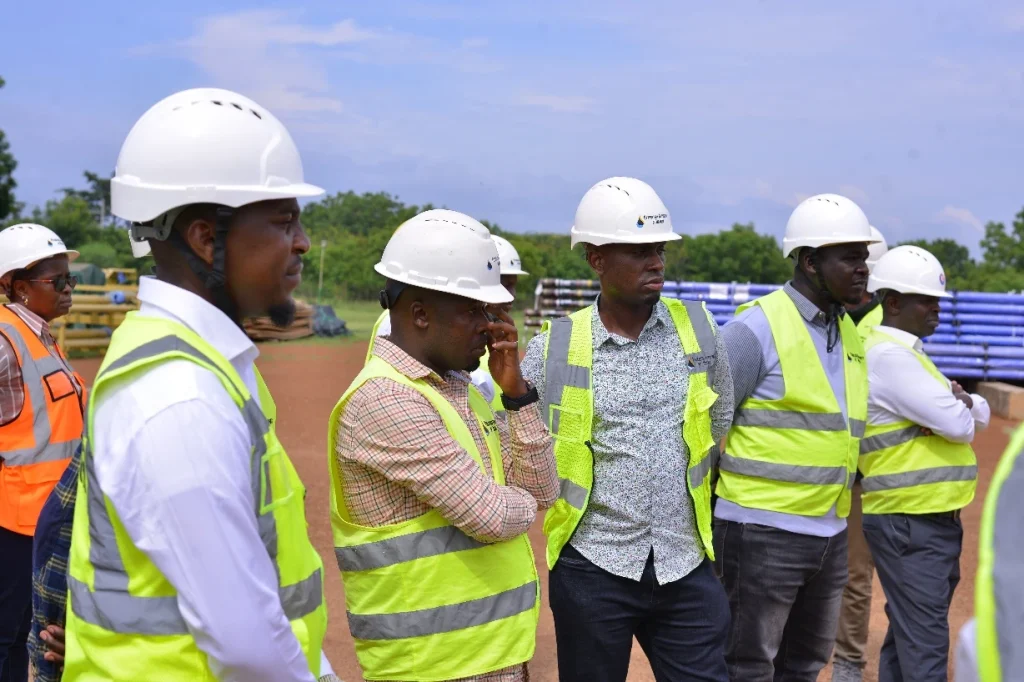
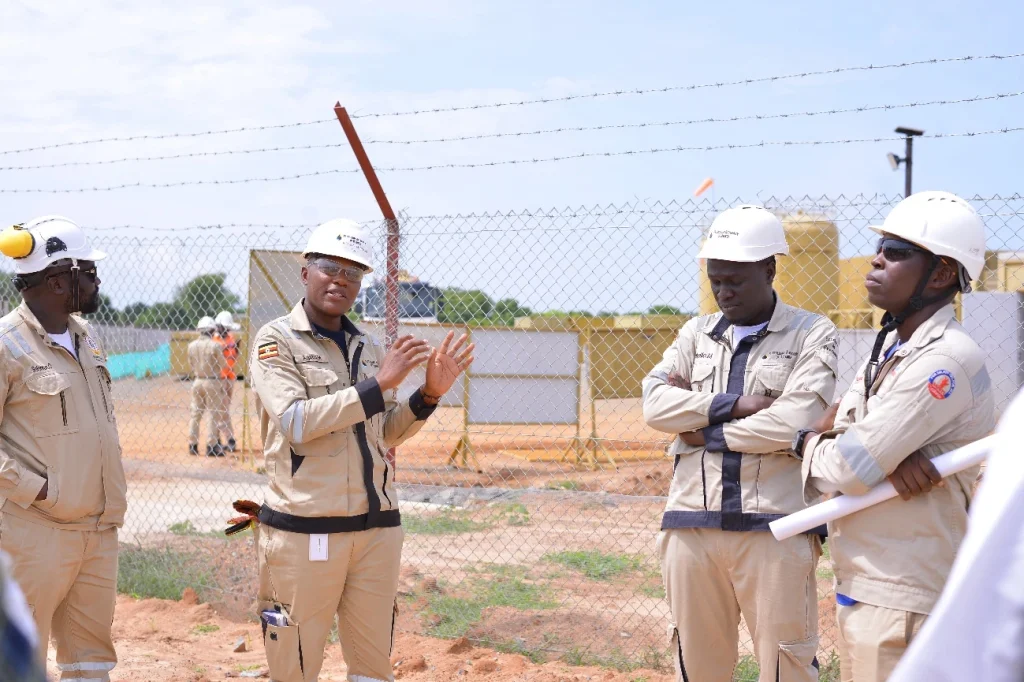
The Mechanics of Production: Kasemene II: During a site visit to the 14 well pads at Kasemene II, the team observed the balance of modern extraction:
-
7 Production Wells: Responsible for extracting the crude oil.
-
7 Injection Wells: Used to pump water back into the reservoir to maintain pressure and ensure efficient flow.
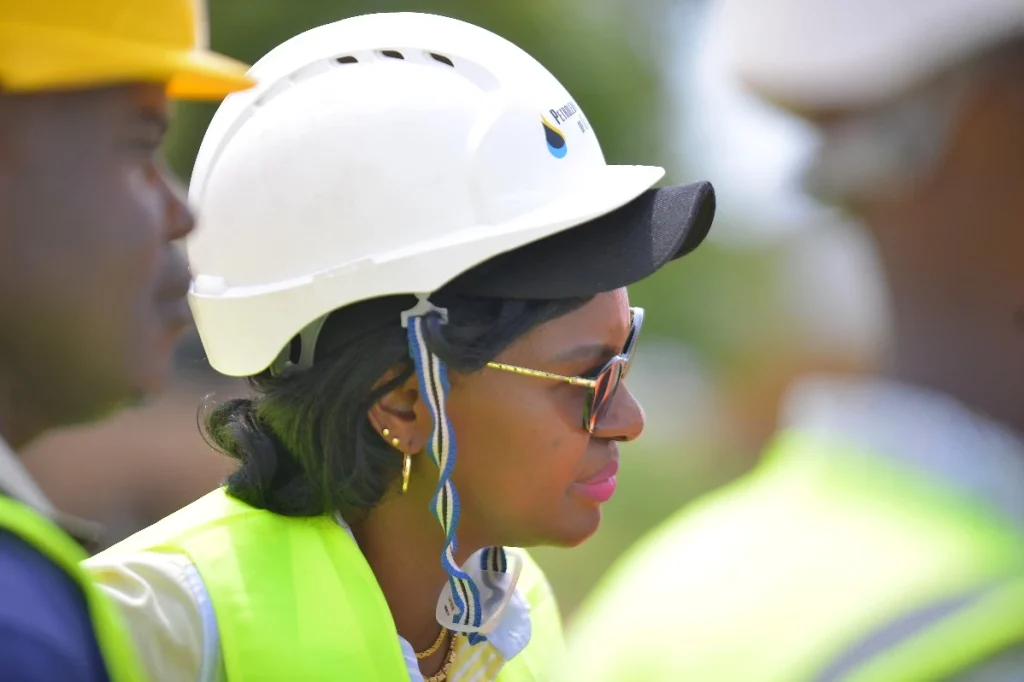
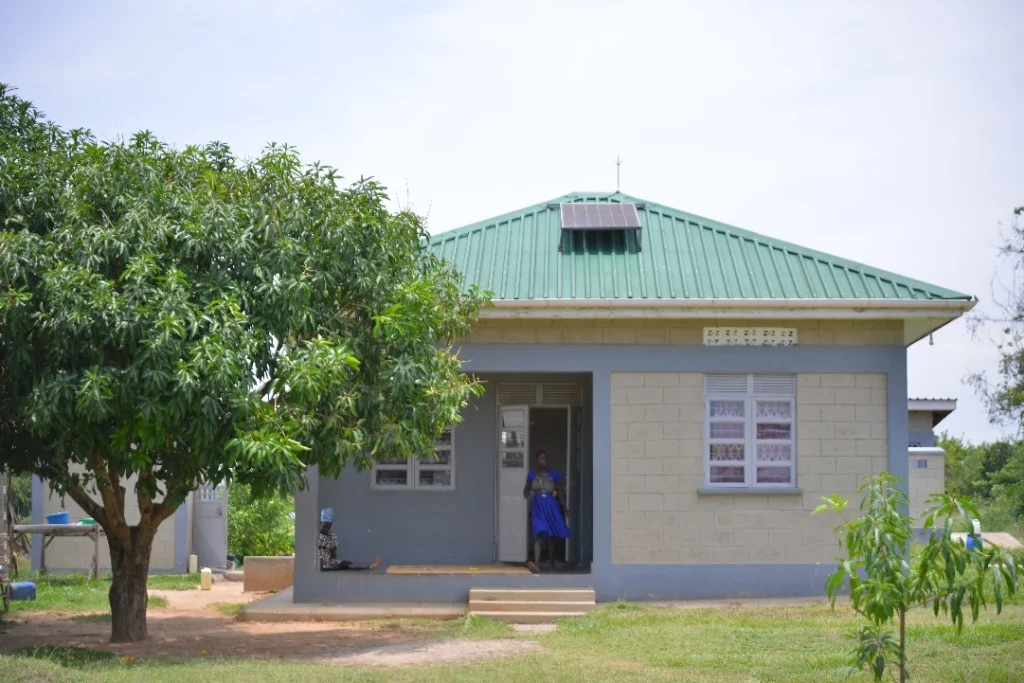
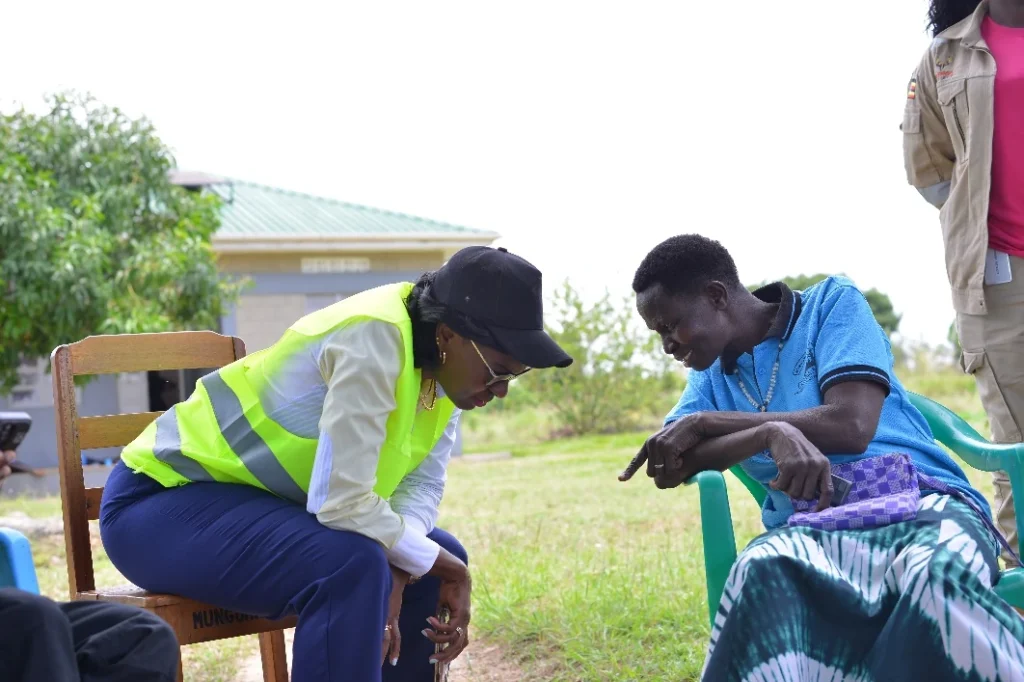
Putting People at the Center: Beyond the steel and technology, the MUST team emphasized that innovation must serve humanity. The delegation visited the Kijumbya Rural Community Association to meet Ms. Emily Fwacan, a beneficiary of the Resettlement Action Plan (RAP). Ms. Fwacan shared a moving testimony of how the project, implemented by the Ministry of Energy, PAU, and TotalEnergies EP Uganda, has transformed life for her children and grandchildren. This social assessment allowed the MUST team to see firsthand the impact of large-scale industrial projects on local livelihoods.
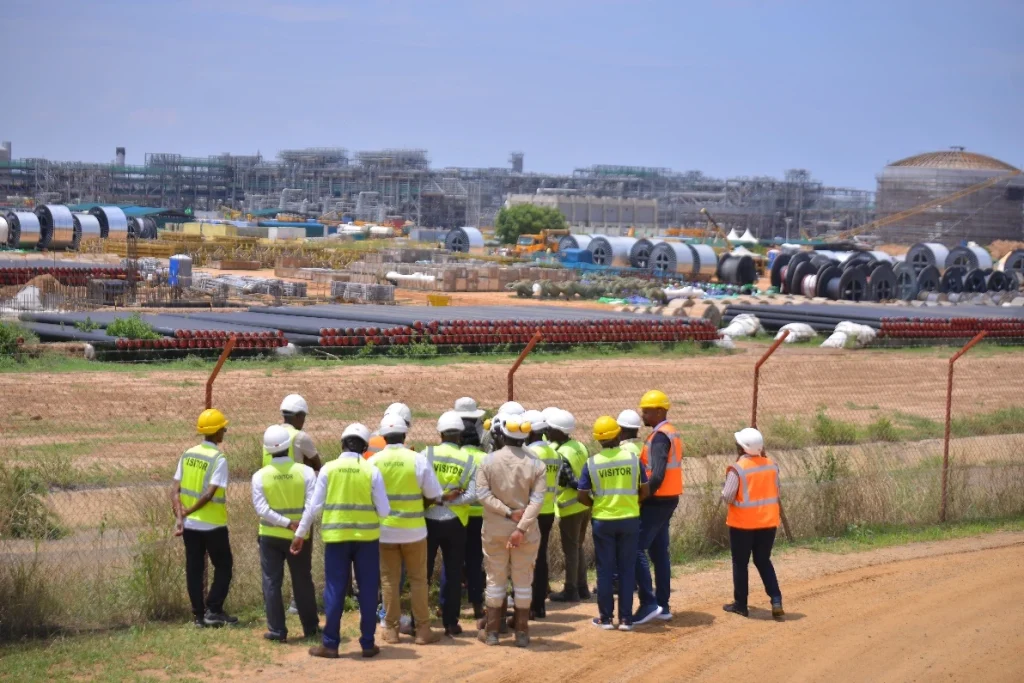
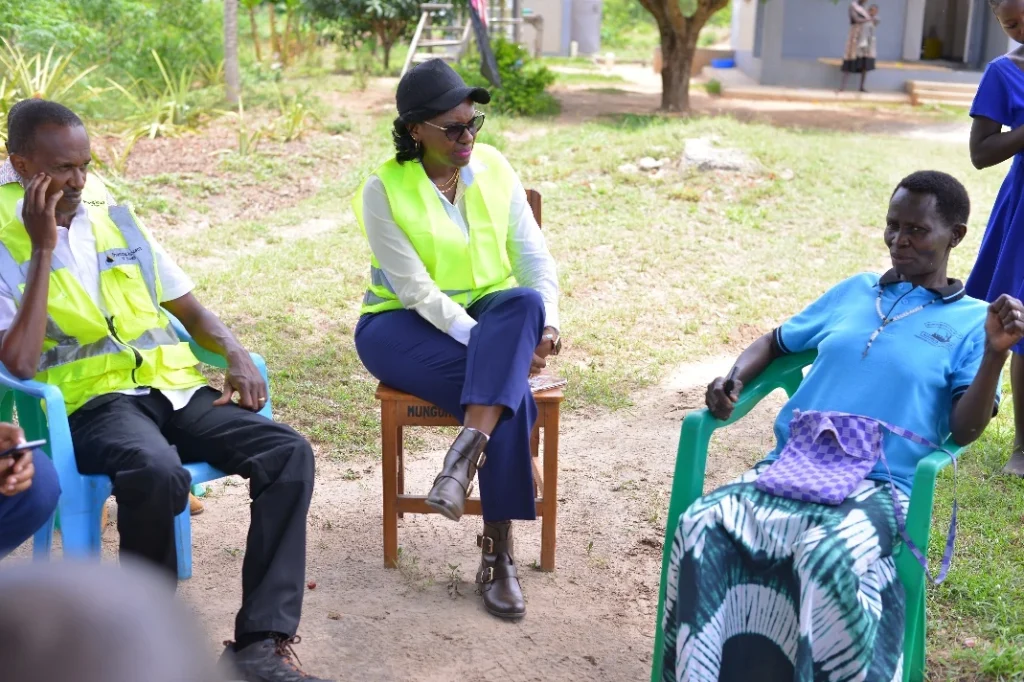
The Road Ahead: Industry to Class: As the Tilenga Project moves toward peak production, the role of academic institutions like MUST becomes critical. From the sophisticated horizontal drilling under the Victoria Nile to the social resettlement of communities like Kijumbya, this visit proved that the future of energy is as much about protecting our environment and people as it is about extracting oil.
This strategic engagement directly embodies the MUST Mission: “To provide relevant world-class education with particular emphasis on Science and Technology and its application to community development.” By taking the classroom to the oilfield, the university is ensuring that scientific research translates into tangible progress for the nation.
“Inclusion is not just a social goal; it is a technical necessity. From the injection wells of Kasemene II to the classrooms of MUST, potential is only truly unlocked when the barriers between industry and community are removed.”
Succeed We MUST